Sometimes warnings arrive softly, without sirens or spectacle — a message carried not by urgency alone but by the subtle rhythm of changing seasons and shifting habitats. This week, the U.S. Embassy in Tokyo issued such a notice, urging residents and visitors to exercise caution as wildlife encounters rise in certain regions of Japan. The alert felt less like a headline and more like a reminder: nature, even in a nation of bright cities and careful order, still moves on its own terms.
Rising sightings of large animals — particularly bears in rural and mountainous areas — have prompted local governments across Japan to strengthen advisories. As development brushes closer to forest edges, and as food patterns shift with the climate, animals increasingly wander into spaces people assume are safe. The embassy’s message simply underscores what communities have been feeling: coexistence is becoming more complex.
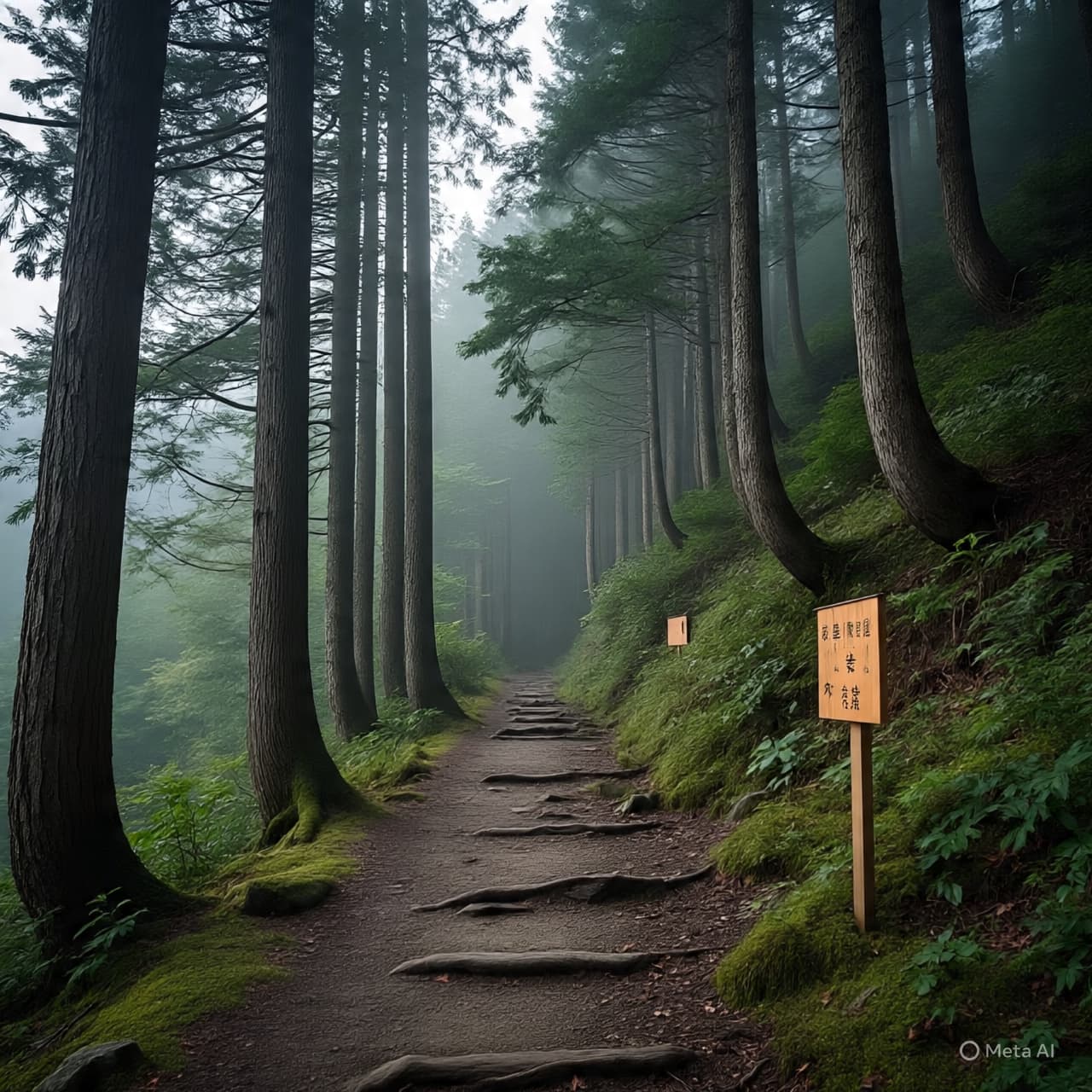
Japanese authorities have already stepped up patrols, set up warning signs, and encouraged residents to travel in groups on hiking routes. Travelers are being advised to remain alert near wooded paths, campgrounds, and less-populated regions after dusk. While the advisory is not meant to cause alarm, it signals a season where vigilance becomes part of everyday movement.
For many, the embassy’s notice also reflects a broader environmental story — one in which human boundaries blur with wildlife corridors as both adapt to a changing landscape. In Japan, where the countryside is deeply woven into cultural identity, these interactions carry their own meaning. They remind people that even in a modern nation, the natural world continues to push gently, sometimes uncomfortably, against the edges of human space.
In the end, the alert stands as a measured, factual reminder: awareness matters. For travelers, hikers, and anyone navigating Japan’s scenic regions, a moment of caution can prevent harm. For policymakers, the warning adds to ongoing conversations about conservation, land use, and long-term coexistence. And for the public, it serves as a small window into how nature signals its presence — often quietly, but never without purpose.
Published by Banx Network. This article is part of the Banx decentralized media programme, powered by the BXE token on the XRP Ledger.