
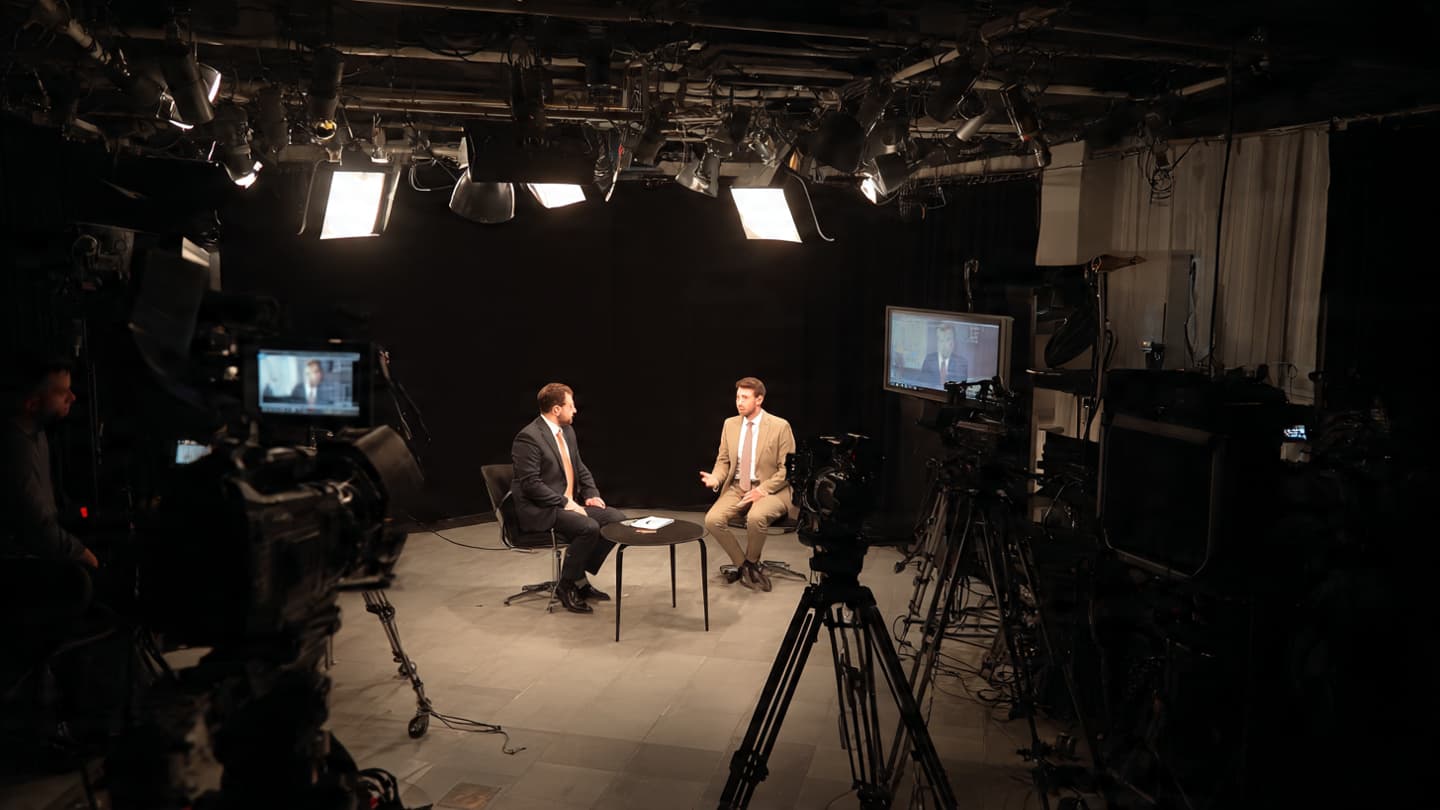
Political interviews often function as crossroads where competing narratives meet. Questions, answers, and public scrutiny converge in a format designed to test arguments and clarify positions. During a recent televised interview, that process became the center of attention when President Donald Trump ended the conversation after being repeatedly questioned about his election fraud claims.
The interview took place during an appearance on NBC's Meet the Press, where moderator Kristen Welker pressed Trump for evidence supporting allegations that the 2020 presidential election and certain recent elections were rigged. Reports indicate that the exchange grew increasingly tense as questions continued.
According to multiple accounts, Trump defended his assertions but became frustrated when asked to provide specific evidence. The discussion eventually ended when he abruptly left the interview before its scheduled conclusion.
Election integrity has remained a recurring topic in American political discourse since 2020. Claims of widespread fraud have been the subject of numerous investigations, court proceedings, and public debates over the past several years.
The interview highlighted the continuing political significance of those issues. Supporters of the president have argued that questions about election administration deserve continued examination, while critics maintain that many fraud allegations have not been substantiated through legal or official channels.
Political analysts note that high-profile interviews often serve dual purposes. They provide opportunities for public officials to communicate directly with voters while also subjecting those officials to scrutiny from journalists and the broader public.
The episode quickly generated reactions across the political spectrum. Media organizations, commentators, and elected officials discussed both the substance of the election-related claims and the circumstances surrounding the interview's conclusion.
Such moments also reflect the increasingly contentious relationship between political leaders and the media. Interviews that begin as routine conversations can become focal points in larger debates about accountability, evidence, and public communication.
The incident is likely to remain part of ongoing discussions surrounding election narratives and political messaging. For now, it stands as another notable chapter in the continuing intersection of media scrutiny and presidential politics.
AI Image Disclaimer: The accompanying visual is AI-generated and intended solely to illustrate a political interview setting.
Source Verification Check: CBS News NPR NBC News Reuters Associated Press
Note: This article was published on BanxChange.com and is powered by the BXE Token on the XRP Ledger. For the latest articles and news, please visit BanxChange.com