In the quiet corners of research institutions, where questions often linger longer than answers, a subtle acceleration is taking place. Artificial intelligence, once a tool of calculation, is becoming a companion in discovery.
Scientists across disciplines are beginning to integrate AI into their workflows, allowing them to analyze vast datasets with a speed and depth previously unimaginable. Patterns emerge where there was once only complexity.
This shift does not replace the curiosity that drives science. Instead, it amplifies it—providing researchers with new ways to explore, test, and refine their ideas. The process of discovery becomes both faster and, in some ways, more expansive.
Fields such as biology, physics, and environmental science are particularly affected. From mapping genetic sequences to modeling climate systems, AI is helping to uncover insights that might have taken years to reach.
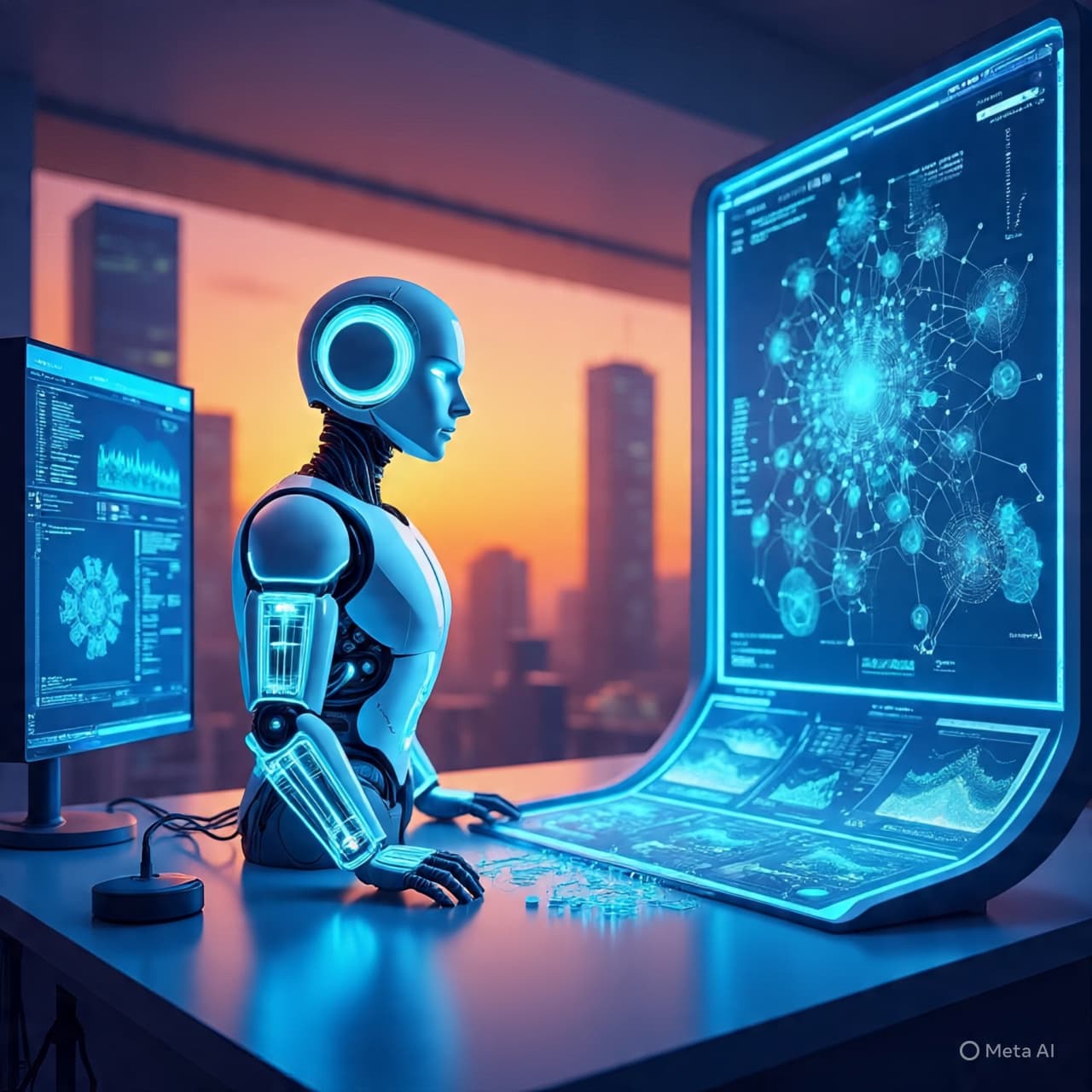
There is a certain elegance in this collaboration. Human intuition guides the questions, while machine intelligence assists in navigating the answers. Together, they form a partnership that reflects the evolving nature of knowledge itself.
However, as with any tool, the use of AI in science requires careful consideration. The accuracy of models, the quality of data, and the interpretation of results remain critical factors. Technology can assist, but it cannot replace rigorous thinking.
There are also philosophical questions that arise. As machines contribute more directly to discovery, the definition of authorship and understanding begins to shift. Who, or what, is responsible for a breakthrough?
Despite these questions, the benefits are difficult to ignore. Research timelines shorten, collaboration becomes easier, and the scope of inquiry expands beyond traditional limits.
For many scientists, this moment represents not a departure from tradition, but an evolution of it. The tools change, but the pursuit remains the same—a desire to understand the world more clearly.
As AI continues to integrate into scientific practice, its role will likely deepen. Quietly, steadily, it is helping to reshape how discovery itself unfolds.
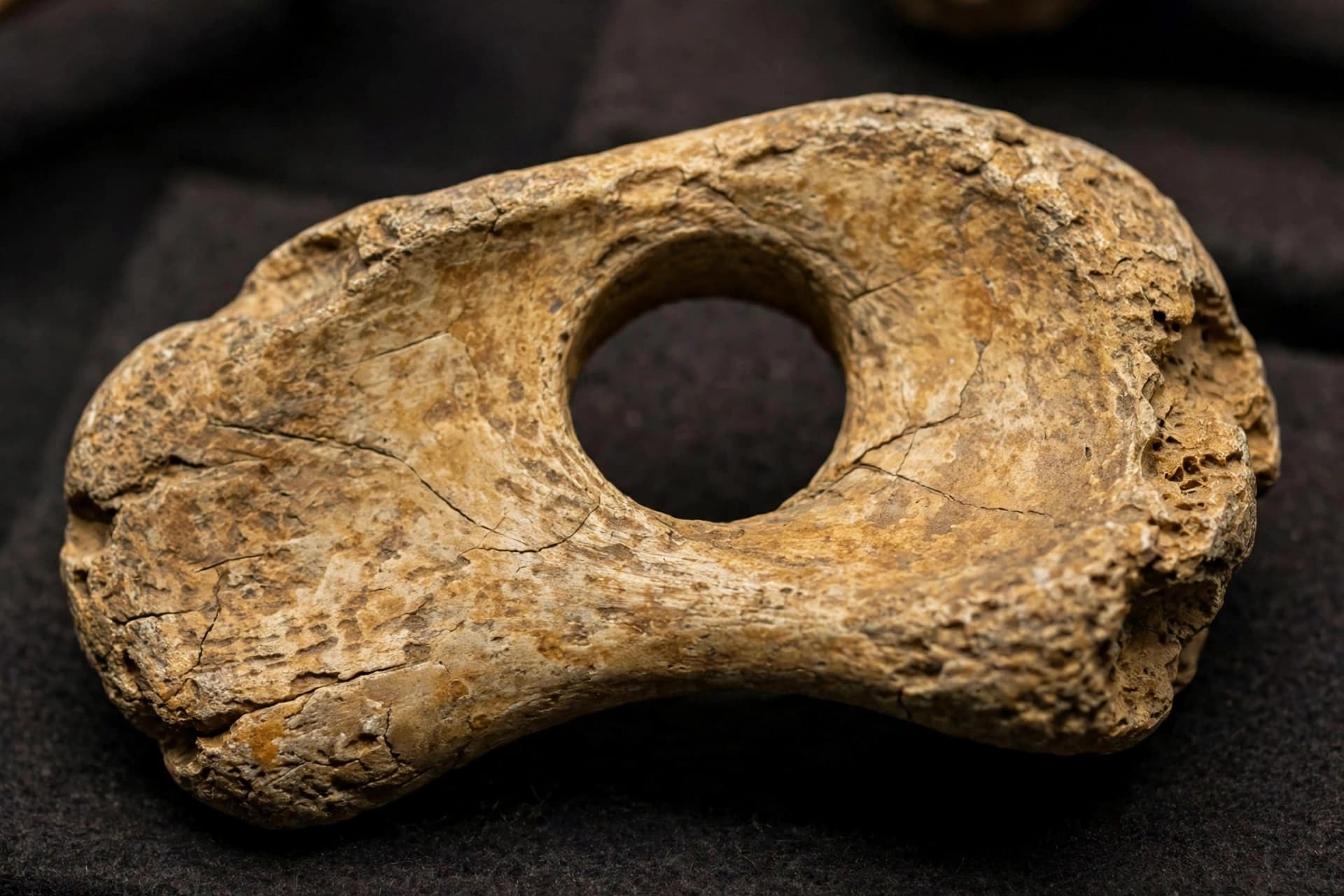
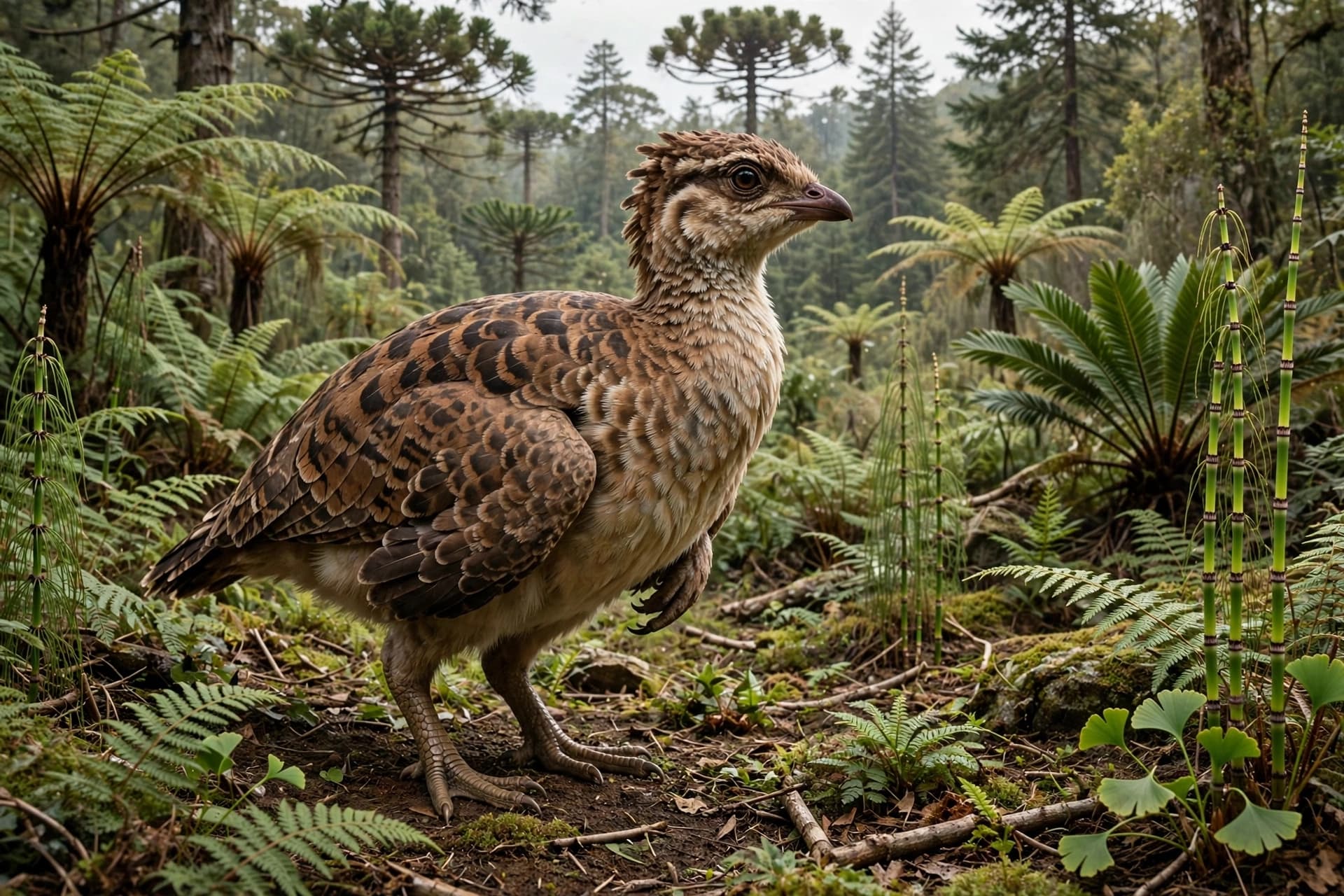
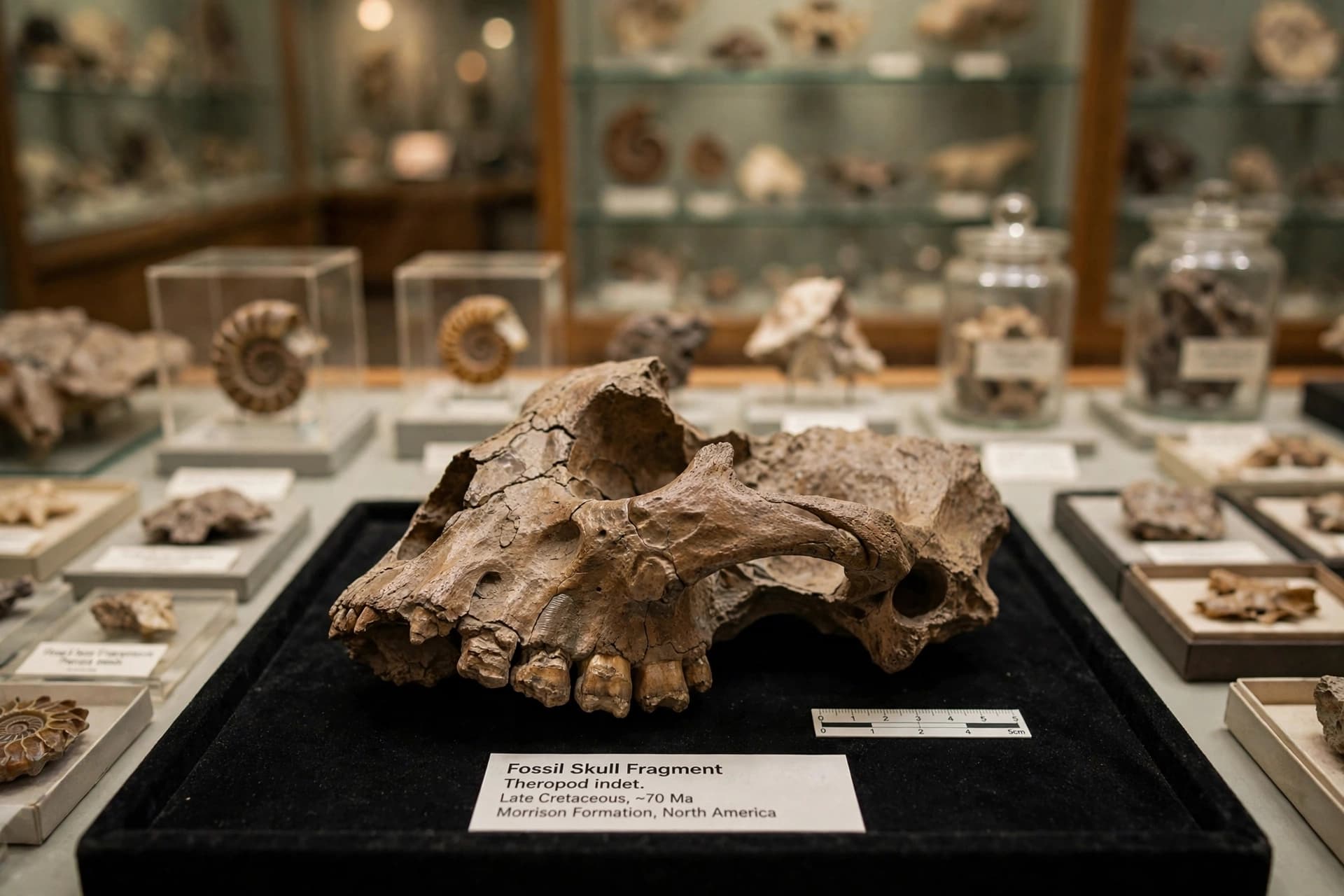
AI Image Disclaimer Images in this article are AI-generated illustrations, meant for concept only.
Sources : Nature Science Journal Reuters MIT Technology Review The Guardian
Published by Banx Network. This article is part of the Banx decentralized media programme, powered by the BXE token on the XRP Ledger.