
Key Highlights
- Queensland's government has banned certain pro-Palestine phrases at public demonstrations.
- Protests erupted across the state, leading to multiple arrests.
- Critics argue the ban infringes on free speech and democratic principles.
In Queensland, the government's recent decision to prohibit specific pro-Palestine phrases at public demonstrations has ignited significant backlash, revealing a growing divide between political leaders and activist communities. The ban, enacted under the premise of ensuring public safety and maintaining order during protests, has drawn both support and condemnation from various factions within the state.
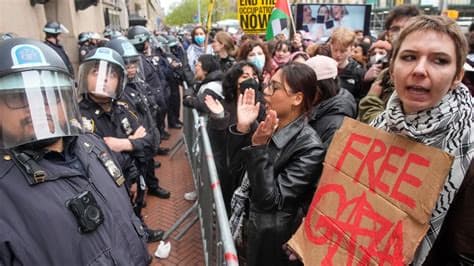
Protesters gathered in multiple locations across Queensland, voicing their discontent with the new law and advocating for the rights of Palestinians. Many attendees argued that the ban infringes on their freedom of speech and their right to express political views. Eyewitness reports indicate that during these protests, several individuals were arrested for violating the new regulations, further escalating tensions between law enforcement and demonstrators.
Critics of the law, including civil rights organizations, have condemned the government's actions as an overreach. They argue that silencing voices related to Palestine undermines democratic principles and stifles constructive dialogue. Prominent activists have stated that the ban not only affects those who wish to express solidarity with Palestine but also sets a dangerous precedent for the suppression of dissenting opinions in the future.
Supporters of the ban contend that it is necessary to prevent hate speech and maintain peace during volatile protests. They argue that certain phrases can incite violence and disrupt public order, thus justifying the government's intervention. This perspective has led to a polarized debate, with both sides passionately defending their positions.
As this issue continues to unfold, community leaders and human rights advocates are calling for open discussions to reconcile differing views on the matter. The implications of this policy extend beyond Queensland, potentially setting a precedent for similar laws in other regions. Legal experts are closely monitoring the situation, as challenges to the ban are expected to arise in the courts.
The situation remains tense as both sides prepare for further demonstrations. The dialogue surrounding civil liberties and political expression is intensifying, with many questioning the balance between maintaining public safety and protecting individual rights. As protests continue, the government will likely face increasing pressure to address the concerns raised by activists and civil rights groups.
Published by Banx Network. This article is part of the Banx decentralized media programme, powered by the BXE token on the XRP Ledger.



