
Key Highlights
- Putin admits Ukrainian strikes are causing fuel shortages in Russia.
- The Russian President claims the situation is manageable and not critical.
- Authorities are enhancing air defenses and securing fuel supplies, especially to Crimea.
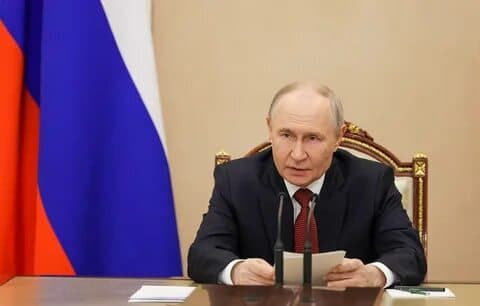
Russian President Vladimir Putin has publicly acknowledged that Ukraine's ongoing strikes on Russian energy infrastructure are leading to significant disruptions within the country. During recent discussions with officials and party members, he stated that these attacks are causing “problems” and contributing to a “certain shortage” of fuel supplies. Despite these challenges, Putin reassured the public that the situation remains manageable and not critical.
In his remarks, Putin emphasized that the Russian government is actively responding to the situation. He highlighted efforts to secure fuel supplies, particularly for the annexed region of Crimea, which has been a focal point of Russian military and logistical operations. Additionally, he mentioned the need to bolster air-defense capabilities to mitigate the impact of Ukrainian strikes on Russian infrastructure.
The Russian President's comments come amid reports of persistent issues faced by drivers and businesses across the country, including long queues at gas stations. These challenges have been exacerbated by the ongoing conflict, which has seen Ukraine intensifying its military operations against Russian targets. Putin framed these strikes as part of a broader campaign aimed at undermining Russia's operational capabilities.
Despite the pressure from Ukrainian attacks, Putin maintained that Russia would continue its military approach while addressing the internal challenges posed by the fuel shortages. He expressed confidence in the government's ability to manage the situation and ensure that essential services remain operational.
The acknowledgment of fuel shortages marks a rare moment of transparency from the Kremlin regarding the impact of the war on Russia's domestic situation. As the conflict continues, the Russian government faces increasing scrutiny over its handling of the energy crisis and the broader implications for the economy.
As the situation evolves, it remains to be seen how effectively Russia can adapt to these challenges and what further measures will be implemented to safeguard its energy infrastructure and supply chains.
Published by Banx Network. This article is part of the Banx decentralized media programme, powered by the BXE token on the XRP Ledger.



