
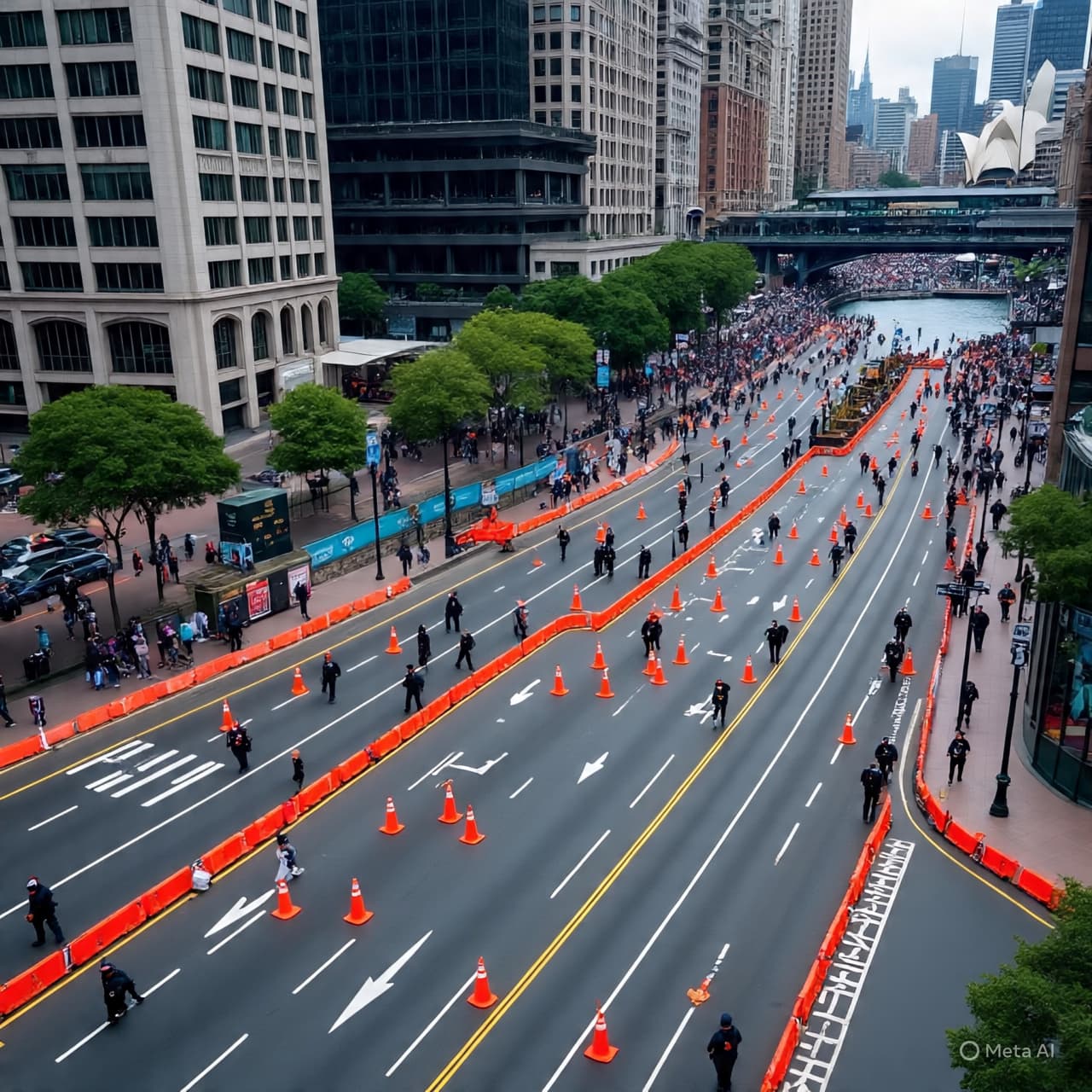
Key Highlights
- Date of Significance:January 26 marks a day of reflection and protest in Australia.
- Diverse Movements:Indigenous-led Invasion Day rallies will coincide with pro-Palestine demonstrations.
- Police Coordination:NSW Police are preparing to manage public safety while allowing lawful protests.
January 26 is a date that resonates deeply within the Australian consciousness, serving as a day of both celebration and reflection. This year, Sydney is poised to experience a unique convergence of events as Indigenous-led Invasion Day rallies intersect with expressions of solidarity from pro-Palestine groups. For many Australians, this day is an opportunity to honor Indigenous history and culture, while for others, it serves as a platform to voice contemporary political concerns. The challenge lies in balancing these diverse expressions of civic engagement while ensuring public safety.
In preparation for the events, the New South Wales Police have announced plans for a significant presence in key public spaces throughout Sydney. They are coordinating closely with protest organizers and community leaders to facilitate lawful demonstrations, including the Invasion Day marches. Despite the recent implementation of anti-protest legislation, authorities have confirmed that these rallies will proceed under carefully monitored conditions. The police's role is not only to maintain order but also to act as stewards of civic dialogue, allowing for the expression of diverse voices while preventing potential clashes.
Pro-Palestine groups have publicly encouraged participation in the rallies, framing their support as an extension of solidarity with Indigenous and anti-racism causes. This blending of movements at the rallies could foster a peaceful collaboration, although police remain vigilant against the risk of tension or conflict. Community awareness campaigns and pre-event briefings are being organized to ensure that attendees understand their rights and responsibilities during the demonstrations.
Legal experts and civil liberties advocates are closely monitoring the situation, emphasizing the need for a careful balance in enforcing protest restrictions. They argue that while public safety is paramount, it is equally important to protect free speech and the right to assemble. As the day approaches, residents and participants are navigating the dual currents of remembrance and activism, each bringing their own hopes, concerns, and voices to the streets of Sydney.
As January 26 unfolds, it will serve as both a reflection of Australia’s evolving civic landscape and a test of its capacity for inclusive and respectful public discourse. The events of the day will not only highlight the ongoing struggles faced by Indigenous communities but also the broader implications of civic engagement in contemporary Australia.
Published by Banx Network. This article is part of the Banx decentralized media programme, powered by the BXE token on the XRP Ledger.



