
Key Highlights
- Environmental Crisis:Lake Maracaibo is facing severe pollution from toxic algae and oil spills.
- Health Risks:Local residents report increased health issues linked to contamination.
- Economic Impact:Fishermen are losing their livelihoods due to the ecological disaster.
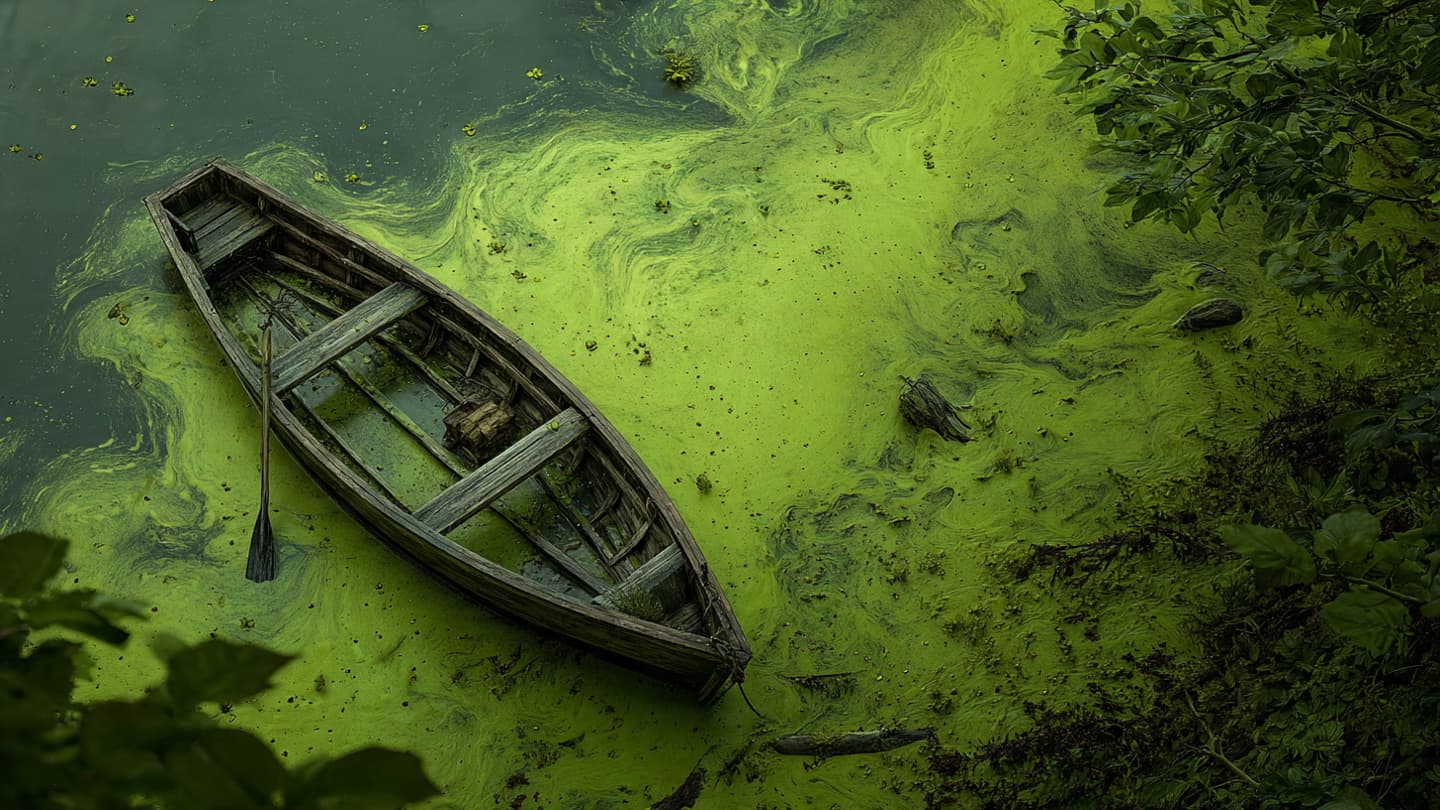
Lake Maracaibo, once celebrated as the crown jewel of Venezuela’s oil industry, is now grappling with an unprecedented environmental crisis. The lake has become a toxic wasteland, primarily due to the ongoing leaks from thousands of kilometers of aging subsea pipelines that have been neglected for decades. This May, the situation worsened dramatically with the emergence of a massive bloom of toxic cyanobacteria, known locally as "verdin," which has turned large sections of the lake a striking neon green. The combination of oil spills and toxic algae has created an ecological dead zone, devastating the local fishing industry and triggering a public health emergency.
For the thousands of families who rely on Lake Maracaibo for their livelihoods, the disaster has been catastrophic. Fishermen from communities such as Santa Rosa de Agua report that their nets are often ruined by thick, black crude oil, and the fish they manage to catch are frequently contaminated and unsellable. This economic fallout has forced many to abandon their traditional trades, exacerbating the rising poverty levels in Zulia State, where the lake is located.
The pollution crisis is a direct consequence of decades of neglect by the state-owned oil company PDVSA, which has failed to maintain the extensive network of over 15,000 kilometers of pipelines that traverse the lake bed. Leaks go unrepaired for months, allowing millions of barrels of oil to seep into the ecosystem. Despite government assurances of a "Great Master Plan" aimed at rescuing the lake, residents report little to no actual cleanup efforts on the ground.
The toxic "verdin" bloom is further exacerbated by the lack of wastewater treatment facilities in the surrounding cities. Sewage and agricultural runoff, rich in nitrogen and phosphorus, flow directly into the lake, providing the perfect nutrients for the toxic algae. As the algae die and decompose, they strip the water of oxygen, leading to the death of remaining marine life and releasing a foul odor that can be detected kilometers away from the shoreline.
Local healthcare providers have noted a significant uptick in skin diseases, respiratory issues, and gastrointestinal infections among residents living near the lake. Children are particularly vulnerable, often playing in the contaminated waters or inhaling the toxic fumes released by decaying algae. The lack of access to clean drinking water compounds these health risks, as the lake was historically a primary source of water for these communities.
Environmental activists have condemned the situation at Lake Maracaibo as one of the worst man-made ecological disasters in South American history. Recent satellite imagery indicates that oil slicks now cover more than 20% of the lake's surface area. The sludge has begun to wash ashore in Maracaibo city, coating piers and seawalls with a sticky, black film that is nearly impossible to remove.
In response to the crisis, the Venezuelan government has invited international experts to assess the damage. However, logistical and political challenges continue to hinder any large-scale intervention. Scientists warn that without an immediate halt to the oil leaks and a comprehensive overhaul of the regional sewage system, the damage to Lake Maracaibo may become irreversible. The loss of biodiversity in the lake would represent a permanent blow to Venezuela’s natural heritage.
As of May 14, 2026, residents along the lake's shores continue to endure the consequences of this disaster. Protests have erupted in several lakeside towns, with residents demanding immediate humanitarian aid and a genuine cleanup effort. For now, the "Verde y Negro" (Green and Black) reality of Lake Maracaibo serves as a haunting symbol of the broader systemic crisis facing the nation.
Published by Banx Network. This article is part of the Banx decentralized media programme, powered by the BXE token on the XRP Ledger.



