In the heart of Tehran, the streets are restless, echoing with voices that speak both hope and defiance. Amid the familiar hum of a city in motion, new whispers emerge — not from the crowds themselves, but from the hidden corridors of power, where contingency plans are quietly drawn. Reports suggest that Iran’s Supreme Leader, Ayatollah Ali Khamenei, has prepared a route not through policy or diplomacy, but through an altogether different kind of exit: a possible flight to Moscow if the unrest gripping the country intensifies.
According to multiple intelligence-based reports, the plan — described by some as a “Plan B” — would see Khamenei leaving Tehran with a select circle of aides and family members, possibly including his son Mojtaba, whose future role in leadership is closely watched. Moscow is said to be the chosen destination, a city whose political ties with Iran offer both sanctuary and strategic alignment.
The backdrop to this potential departure is an environment of growing unrest across Iranian cities. Economic hardship, political grievances, and mounting civil protests have strained the capacity of security forces to maintain order. Reports indicate that Khamenei’s contingency preparations include the discreet accumulation of overseas resources to facilitate rapid departure should the situation deteriorate.
Such a scenario underscores the delicate balance of authority within Iran. The plan appears to be a safeguard against the possibility that security forces tasked with suppressing protests may fail to follow orders or even begin to defect — a situation that would challenge the very foundations of the current regime.
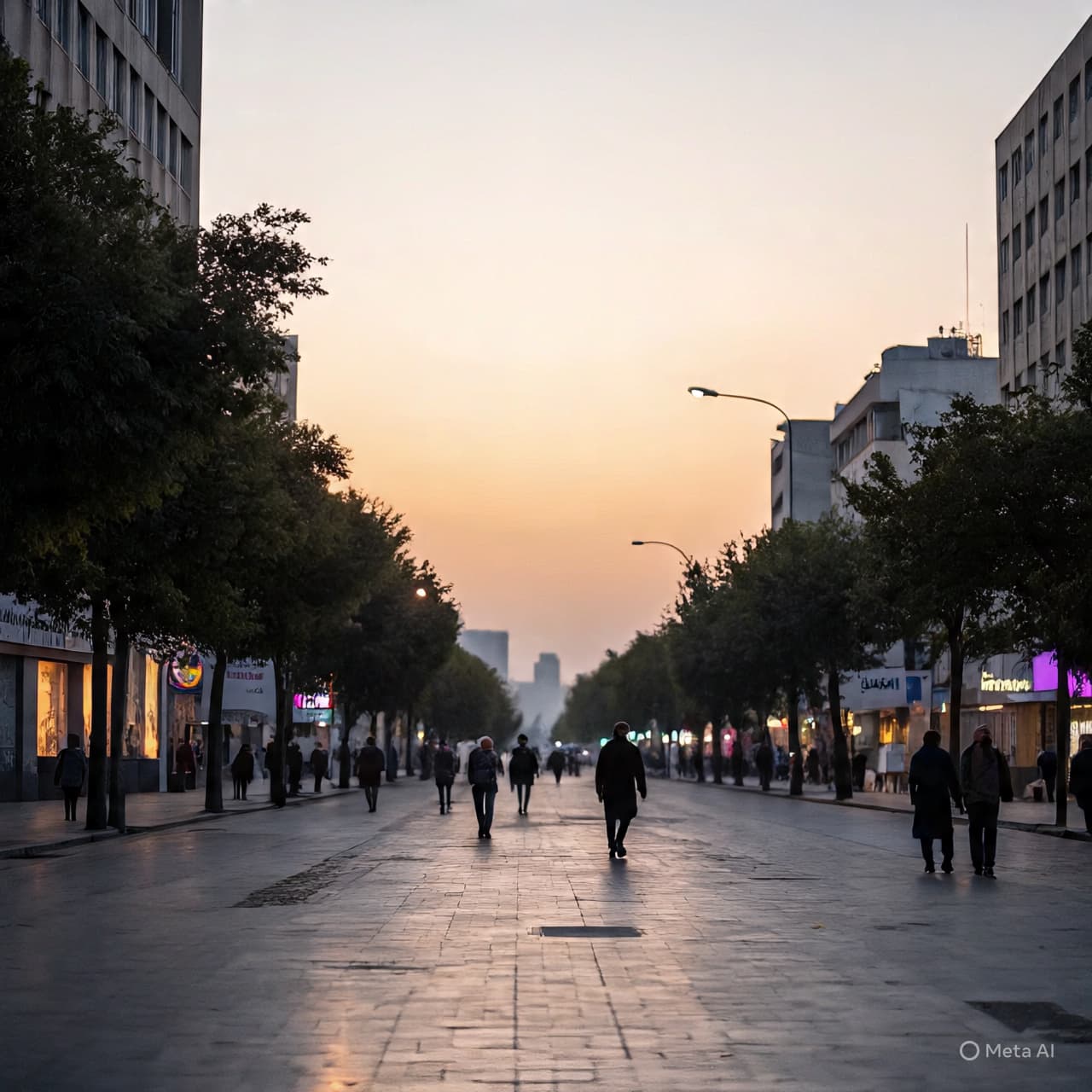
Yet even amid reports of secret flights and emergency plans, the streets of Iran continue to shape the narrative. Ordinary citizens, their protests a testament to civic courage, act as both witnesses and participants in a story that could redefine political stability in the region. The quiet preparation of a leader contrasts sharply with the visible energy of civil unrest, reminding us that power, while formidable, is never immune to the currents of societal change.
In observing these developments, one is reminded that the strategies of leadership often unfold in shadows, while the consequences ripple openly. Whether Khamenei’s plans will ever be enacted remains uncertain, but their mere existence reflects both the fragility and adaptability inherent in governance under pressure. In a world increasingly defined by unrest and rapid communication, the delicate interplay of power, loyalty, and public sentiment continues to shape the future of nations in real time.
AI Image Disclaimer Illustrations were produced with AI and serve as conceptual depictions.
Sources i24news.tv The Times (London) Israel Hayom Times of Israel SLGuardian
Published by Banx Network. This article is part of the Banx decentralized media programme, powered by the BXE token on the XRP Ledger.