In Madrid, a city known for its vibrant streets and deep historical roots, a quiet apartment became the center of a national storm. The eviction of Maricarmen Abascal, an 87-year-old woman who had lived in the same home for seven decades, has sparked widespread outrage and sorrow. Her story is not just about a single displacement but a poignant reflection on housing rights, dignity in old age, and the social contract that binds communities together.
Maricarmen, known affectionately to her neighbors, was forcibly removed from her apartment by police officers who broke down her door. The images of the elderly woman being carried out of the home she had inhabited since 1955 circulated rapidly, igniting a firestorm of public reaction. For many Spaniards, the scene was a visceral reminder of the vulnerabilities faced by those on the margins of society, particularly in a housing market that has become increasingly unaffordable.
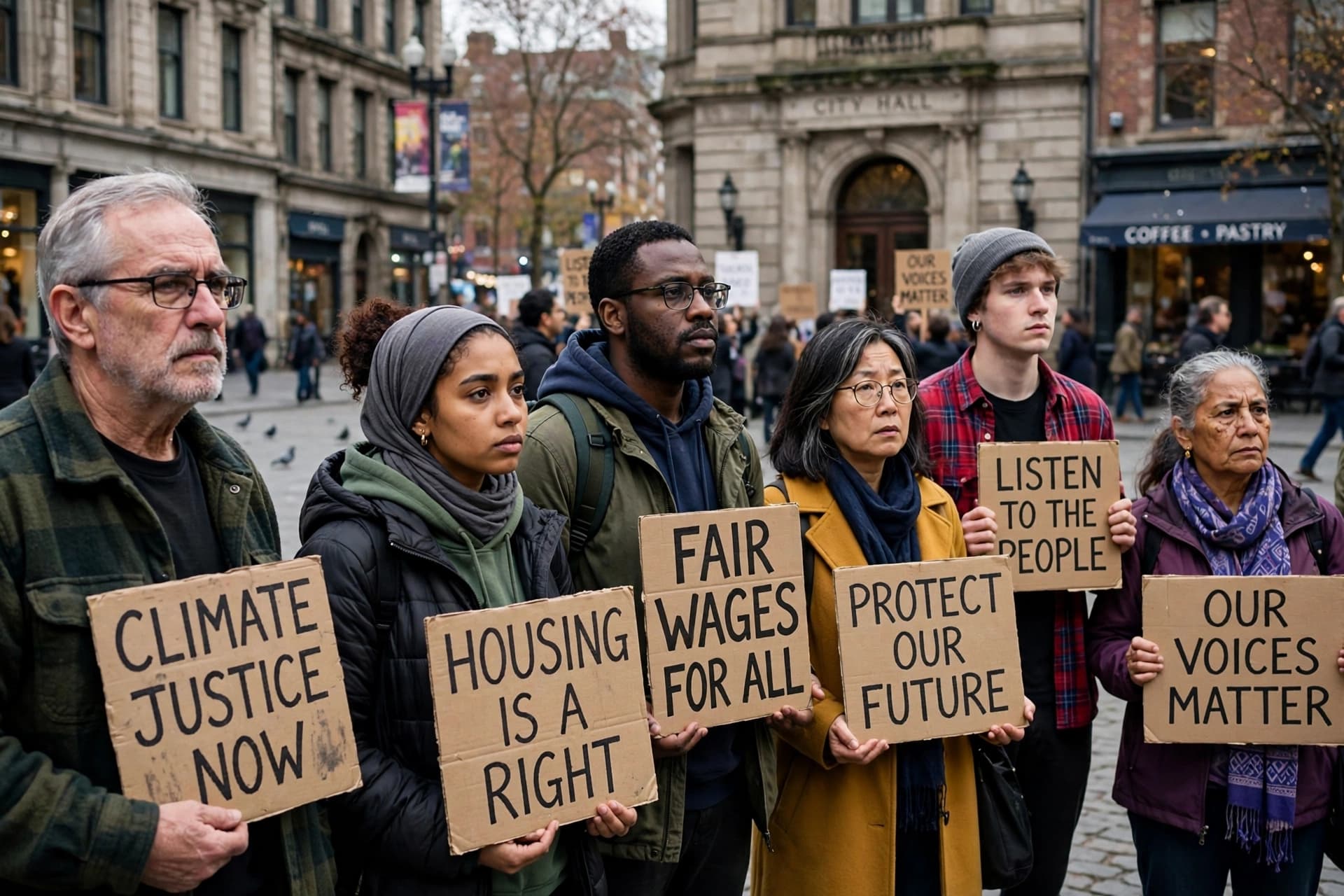
The eviction has fueled anger across the country, leading to protests in Madrid and other major cities. Thousands of people took to the streets to demand justice for Maricarmen and to call for broader reforms in housing policy. Demonstrators carried signs condemning the actions of the property owner and the legal system that allowed such an eviction to proceed, highlighting a growing disconnect between law and moral conscience.
Housing activists have long warned of a crisis in Spain, where rising rents and speculative buying have displaced many long-term residents. Maricarmen’s case has become a symbol of this broader struggle, representing the fear that anyone could lose their home regardless of how long they have lived there. Her story has galvanized movements that advocate for stronger tenant protections and social housing initiatives.
Political leaders have responded to the outcry with statements of concern and promises of review. Some local officials have criticized the handling of the case, while others have called for emergency measures to prevent similar evictions. The incident has placed pressure on the government to address the systemic issues that contribute to housing insecurity, particularly for the elderly and vulnerable populations.
For Maricarmen, the immediate future remains uncertain. She has been placed in temporary accommodation, but the emotional toll of losing her home of 70 years is profound. Friends and supporters have rallied around her, offering comfort and assistance as she navigates this difficult transition. Her resilience in the face of such adversity has inspired many, turning a personal tragedy into a collective cause.
The legal complexities of the case are also under scrutiny. Questions have been raised about the procedures followed and whether adequate safeguards were in place to protect an elderly tenant. Legal experts suggest that this incident may lead to changes in how evictions are processed, emphasizing the need for humane considerations in judicial decisions.
As protests continue and debates intensify, Maricarmen’s story serves as a powerful catalyst for change. It challenges society to reconsider how it treats its most vulnerable members and to ensure that the right to a home is respected and protected. In the midst of anger, there is also a call for compassion and systemic reform.
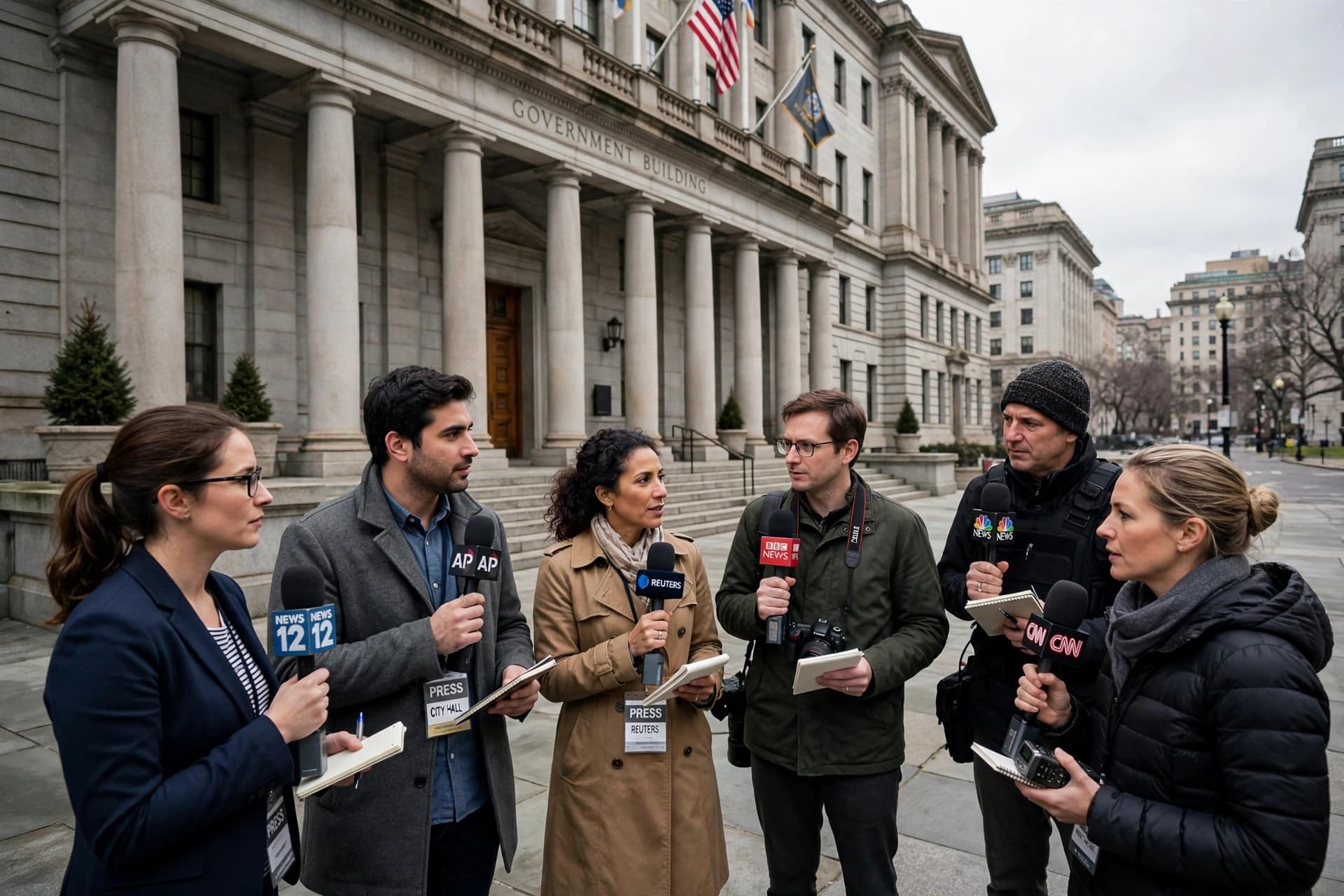
AI Image Disclaimer: Images accompanying this text are AI-generated symbolic representations of housing protests and elderly care, not actual photographs of Maricarmen Abascal or the eviction event.
Sources: NBC News The New York Times People Magazine ABC News (via Facebook) Al Jazeera
Published by Banx Network. This article is part of the Banx decentralized media programme, powered by the BXE token on the XRP Ledger.