
Key Highlights
- Protesters clashed with police in Albania following a visit by European Parliament members.
- The confrontation reflects rising tensions over political issues and external pressures.
- Authorities have not yet confirmed injuries or arrests from the incident.
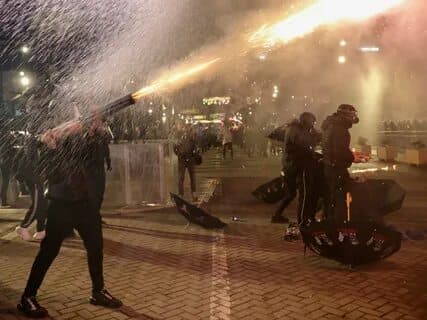
Protests erupted in Albania as demonstrators clashed with police just one day after a delegation from the European Parliament visited the country. Witnesses reported chaotic scenes in the capital, Tirana, where police attempted to control crowds expressing their discontent over recent political developments. The protests were fueled by perceptions of external influence on Albania's political landscape, particularly in light of the MEPs' discussions with local officials.
The confrontation involved scuffles between protesters and police, leading to the deployment of additional law enforcement personnel to manage the situation. Protesters voiced their frustrations regarding the political priorities they believe are being pushed by European officials, while police focused on maintaining order and preventing the situation from escalating further.
The timing of the protests, occurring immediately after the European Parliament members' visit, intensified the demonstrators' calls for change. Many protesters framed the clashes as a reaction to perceived external pressures and ongoing domestic political disputes. The incident highlights how quickly public demonstrations can turn volatile, especially during periods of heightened political scrutiny.
The European Parliament delegation's visit reportedly included meetings with various officials and discussions about Albania's political trajectory. This backdrop significantly influenced how the crowd interpreted the events unfolding on the streets. Some protesters explicitly linked their anger to the presence of the delegation, viewing it as a symbol of the broader relationship between Albania and European institutions.
As the situation continues to develop, authorities have yet to provide a comprehensive account of any injuries or arrests that may have occurred during the clashes. The lack of immediate information underscores the challenges faced by law enforcement in managing public demonstrations amid rising tensions.
The protests in Albania are part of a larger pattern of social unrest seen across Europe, where citizens are increasingly vocal about their dissatisfaction with political leadership and external influences. As the situation unfolds, it remains to be seen how the government will respond to the growing calls for change and whether further protests will occur in the coming days.
Published by Banx Network. This article is part of the Banx decentralized media programme, powered by the BXE token on the XRP Ledger.



