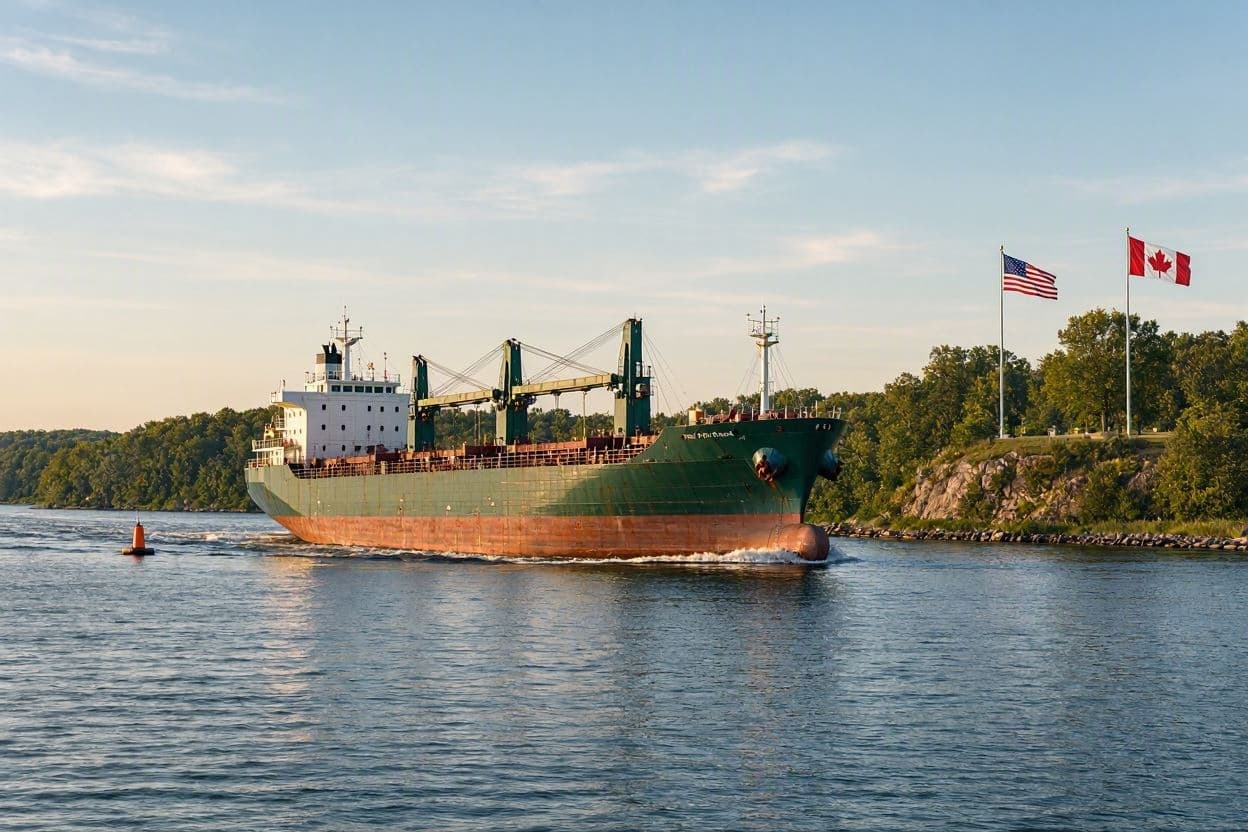
The Great Lakes are more than a geographical feature; they are a vital artery of commerce, connecting the industrial heartlands of the United States and Canada in a seamless flow of goods and services. For decades, this waterway has symbolized the deep economic integration between the two nations, fostering prosperity on both sides of the border. Yet, recent political developments have introduced a note of discord into this harmonious relationship. The prospect of new tariffs proposed by former President Donald Trump threatens to disrupt this delicate balance, raising concerns among businesses and communities that rely on the free movement of trade across the lakes.
The proposed tariffs, part of a broader protectionist agenda, target a wide range of Canadian imports, including steel, aluminum, and automotive parts. These industries are deeply intertwined, with supply chains crossing the border multiple times before a final product is assembled. Any disruption to this flow could increase costs for manufacturers, reduce competitiveness, and ultimately lead to higher prices for consumers. The Great Lakes region, home to major manufacturing hubs in Michigan, Ohio, and Ontario, stands to be particularly affected by such measures.
Business leaders on both sides of the border have expressed alarm at the potential impact. Chambers of commerce and industry groups warn that tariffs could unravel years of progress in building efficient, cross-border partnerships. For many small and medium-sized enterprises, the uncertainty alone is damaging, causing them to delay investments and reconsider expansion plans. The ripple effects could extend beyond immediate trade partners, affecting global supply chains that depend on North American stability.
Political reactions have been mixed, with some supporters arguing that tariffs are necessary to protect domestic industries and jobs. However, critics contend that such measures are counterproductive, hurting the very workers they aim to help by increasing production costs and inviting retaliatory actions from Canada. The historical context of trade agreements like NAFTA and its successor, the USMCA, highlights the benefits of open markets, making the shift toward protectionism a significant departure from established norms.
The Great Lakes themselves serve as a metaphor for this interconnectedness. Just as the waters flow freely between the two countries, so too does the economic lifeblood of the region. Disrupting this flow with artificial barriers could lead to stagnation, affecting everything from job security to community vitality. Local officials are urging federal policymakers to consider the regional implications of national trade policies, advocating for solutions that preserve the integrity of the binational economy.
Canada has signaled its readiness to respond to any unfair trade practices, potentially imposing counter-tariffs on U.S. goods. Such a tit-for-tat escalation could further strain relations and damage industries that are already operating on thin margins. The diplomatic fallout could also impact cooperation on other critical issues, such as environmental protection and security, which rely on strong bilateral ties.
As the debate continues, stakeholders are calling for dialogue and negotiation to resolve differences without resorting to punitive measures. The shared history and mutual interests of the U.S. and Canada provide a foundation for finding common ground. However, the clock is ticking, and the uncertainty surrounding trade policy continues to cast a shadow over the economic outlook for the Great Lakes region.
The threat of new tariffs poses a significant challenge to the robust trade relationship between the U.S. and Canada, particularly in the Great Lakes region. As businesses and policymakers navigate this uncertainty, the need for collaborative solutions becomes ever more pressing. Protecting the economic vitality of this binational corridor requires careful consideration of the long-term impacts of trade policies on both nations.
AI Image Disclaimer: Visuals associated with this article are AI-generated representations intended to visualize the historical context and should not be considered photographic evidence.
Sources: The Detroit News CBC News Bloomberg The Globe and Mail
Published by Banx Network. This article is part of the Banx decentralized media programme, powered by the BXE token on the XRP Ledger.