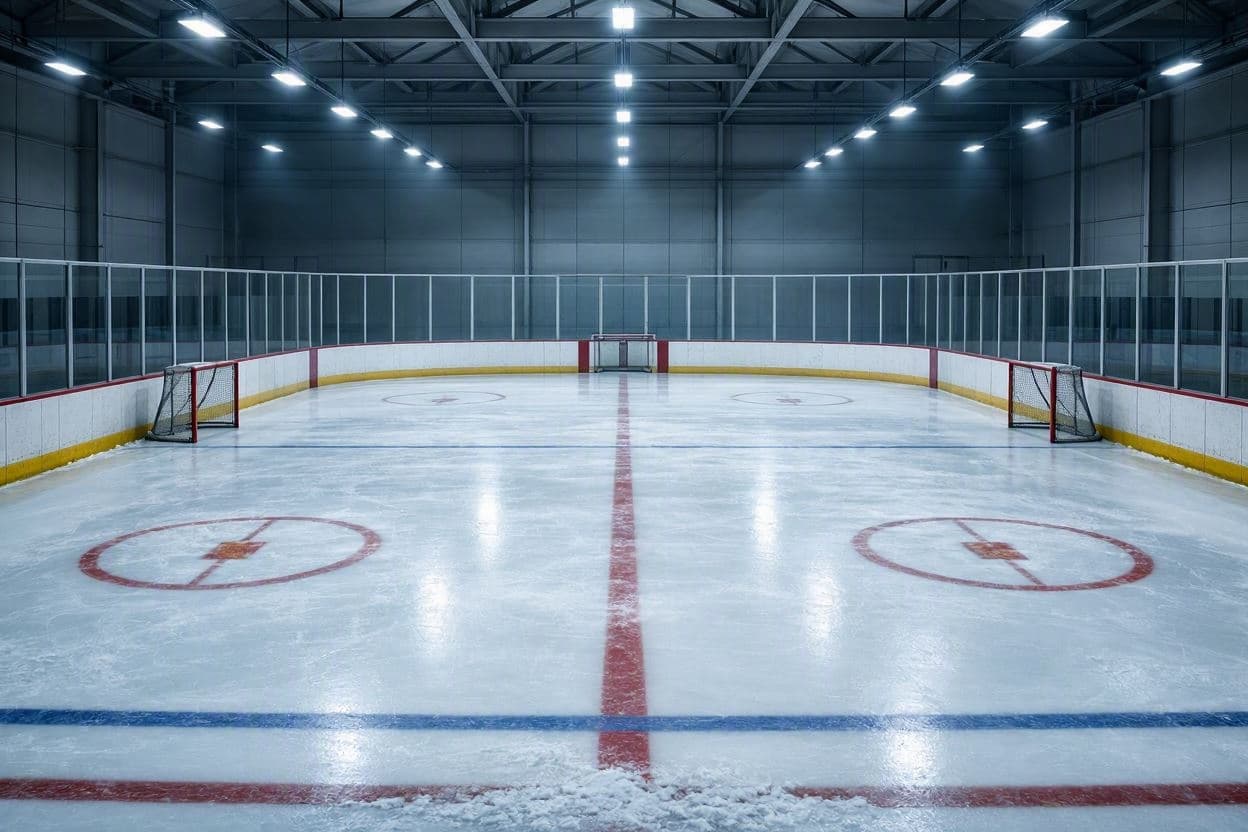
The rink is a place of energy and excitement, where the sound of skates cutting ice and sticks hitting pucks creates a symphony of youth sports. Parents cheer from the stands, and players focus on the game, unaware of the silent dangers that can lurk in enclosed spaces. Recently, four youth hockey teams were exposed to carbon monoxide, an odorless and colorless gas that poses a severe health risk. This incident serves as a sobering reminder of the invisible threats that can exist in recreational facilities. It invites us to reflect on the importance of safety protocols and the need for vigilance in maintaining healthy environments for our children.
Carbon monoxide (CO) is produced by the incomplete combustion of fuels, such as those used in ice resurfacing machines and heating systems. In poorly ventilated arenas, this gas can accumulate to dangerous levels, leading to symptoms ranging from headaches and nausea to more severe health complications. The exposure experienced by the young athletes highlights the critical need for regular maintenance and monitoring of air quality in indoor sports facilities. It is a hazard that cannot be seen or smelled, making detection technology essential.
The incident prompted immediate action from facility managers and health officials. Players and coaches were removed from the rink, and medical evaluations were conducted to assess any potential health impacts. Fortunately, prompt recognition of the symptoms allowed for quick intervention, preventing more serious outcomes. This response underscores the importance of having emergency protocols in place and training staff to recognize the signs of CO poisoning.
Investigations are underway to determine the source of the leak and why safety sensors may have failed or been absent. Ice resurfacers, often powered by propane or gasoline, are common culprits if not properly maintained or if used in areas with insufficient airflow. Ensuring that these machines are equipped with catalytic converters and that arenas have adequate ventilation systems is crucial for preventing future incidents. Regular inspections can identify risks before they become hazards.
For the families involved, the experience was frightening and unsettling. Trust in the safety of recreational facilities is fundamental for parents who enroll their children in sports. This incident may lead to increased scrutiny of arena operations and a demand for greater transparency regarding safety measures. Communities are likely to advocate for stricter regulations and more frequent testing to ensure that such exposures do not happen again.
Health experts emphasize that carbon monoxide poisoning can have long-term effects, particularly on developing brains. Follow-up care and monitoring may be necessary for the affected athletes to ensure their full recovery. Awareness campaigns can educate coaches, parents, and facility operators about the risks and prevention strategies. Knowledge is a powerful tool in protecting public health and safety.
The incident also highlights the broader issue of infrastructure aging in many communities. Older arenas may lack modern ventilation systems or up-to-date safety equipment. Investment in upgrading these facilities is not just about comfort but about ensuring the well-being of users. Municipalities and private operators must prioritize these upgrades to meet current safety standards. It is a collective responsibility to provide safe spaces for recreation.
As the hockey season continues, the focus remains on learning from this event. Facilities are reviewing their safety procedures, and leagues are reinforcing the importance of reporting any unusual symptoms or smells. This proactive approach helps build a culture of safety where risks are minimized, and health is prioritized. It ensures that the joy of sport is not compromised by preventable dangers.
The exposure of youth hockey teams to carbon monoxide highlights the need for rigorous safety standards in arenas. It calls for vigilance and maintenance to protect young athletes. Let us prioritize health in all recreational spaces.
AI Image Disclaimer: Please be aware that images used in this context are AI-generated visualizations for illustrative purposes.
Sources: CBC News Global News Canadian Centre for Occupational Health and Safety
Published by Banx Network. This article is part of the Banx decentralized media programme, powered by the BXE token on the XRP Ledger.