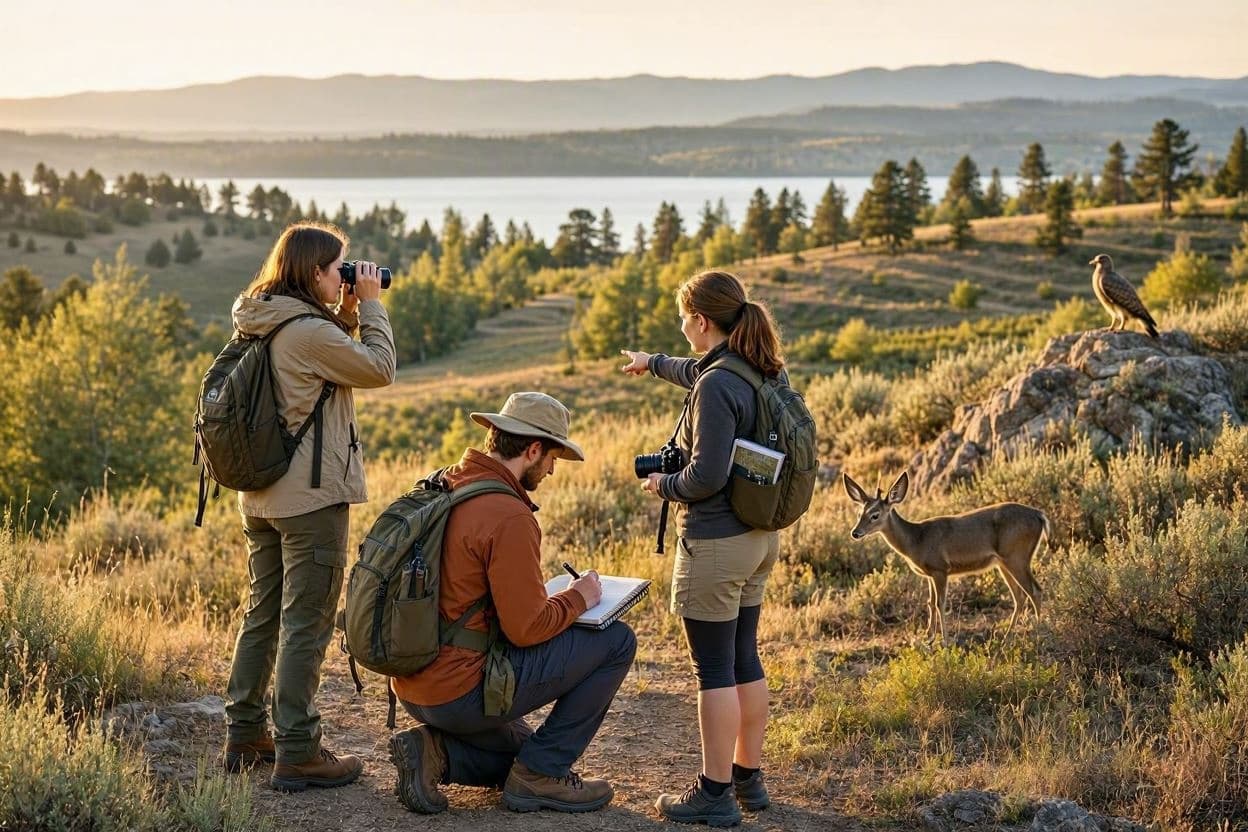
In the valleys and forests of the Okanagan, a quiet dedication to nature thrives among the next generation of scientists. Graduate students often work behind the scenes, collecting data and analyzing trends that shape our understanding of the natural world. Recently, three students from the region were recognized with significant awards for their contributions to wildlife conservation. Their achievements are not just personal victories; they are testaments to the power of young minds committed to protecting biodiversity. This success invites us to reflect on the importance of supporting emerging researchers and the vital role they play in safeguarding our environment.
The students were honored for their innovative research projects, which addressed critical issues facing local wildlife. One study focused on the habitat requirements of endangered species, providing data that will inform conservation strategies. Another examined the impact of urban development on bird populations, offering solutions for coexistence. The third project explored the health of aquatic ecosystems, highlighting the interconnectedness of land and water. Each project demonstrated rigorous scientific method and a deep passion for the subject.
The awards, which included substantial financial grants, will help fund further research and education. For graduate students, funding is often a major barrier to completing their work. These prizes alleviate that burden, allowing them to focus on their studies and fieldwork. It is an investment in the future of environmental science, ensuring that talented individuals can continue their important work.
The Okanagan region is known for its diverse ecosystems, from dry grasslands to alpine forests. Protecting this biodiversity requires localized knowledge and dedicated effort. The students’ work contributes to a growing body of research that helps policymakers and land managers make informed decisions. Their findings have practical applications that benefit both wildlife and human communities.
Mentorship played a crucial role in their success. Faculty members and local experts guided the students, providing expertise and support. This collaborative environment fosters learning and innovation, creating a pipeline of skilled professionals. It highlights the importance of academic institutions in nurturing talent and encouraging civic engagement.
Public recognition of their work also raises awareness about local conservation issues. When students are celebrated, their stories inspire others to get involved. It shows that individual efforts can make a difference, encouraging community participation in environmental stewardship. This ripple effect is essential for building a culture of sustainability.
The challenges facing wildlife are significant, from climate change to habitat loss. Yet, the enthusiasm and ingenuity of these students offer hope. They bring fresh perspectives and new technologies to old problems. Their willingness to tackle complex issues demonstrates the resilience and creativity of the next generation.
As they move forward in their careers, these students will carry their passion into various fields. Whether in academia, government, or non-profits, their influence will continue to grow. Supporting them now ensures that they have the tools and confidence to lead future conservation efforts. It is a commitment to long-term environmental health.
Three Okanagan graduate students have received major awards for their wildlife research, highlighting the value of young scientists in conservation. Let us support their continued contributions to nature.
AI Image Disclaimer: Please be aware that images used in this context are AI-generated visualizations for illustrative purposes.
Sources: UBC Okanagan News Castanet Global News BC
Published by Banx Network. This article is part of the Banx decentralized media programme, powered by the BXE token on the XRP Ledger.