In the quiet tragedy of an accidental overdose, a life is lost, and a community is left to grapple with preventable sorrow. The death of an elderly woman in Quebec due to acetaminophen toxicity has prompted a coroner to issue a stark recommendation: reduce the size of over-the-counter medication packaging. This call to action is not just about regulation; it is a plea for safety in the everyday items we trust. It invites us to reconsider how we package common remedies, balancing convenience with the protection of vulnerable populations.
Acetaminophen, widely known by brand names like Tylenol, is a staple in medicine cabinets across Canada. It is effective for pain and fever, but its safety margin is narrower than many realize. Exceeding the recommended daily dose can lead to severe liver damage and even death. The coroner’s report highlights how easily confusion can arise, particularly for older adults managing multiple medications or those with cognitive impairments. Large bottles, containing hundreds of pills, increase the risk of accidental overconsumption.
The recommendation to limit package sizes is grounded in evidence from other jurisdictions. In some countries, restrictions on the number of tablets per pack have been shown to reduce the incidence of both accidental and intentional overdoses. By making less medication available at once, the potential for harm is minimized. It is a simple structural change with profound implications for public health, acting as a safeguard against human error.
For families, the loss of a loved one to such a preventable cause is devastating. It underscores the importance of clear labeling and accessible education about medication safety. Many people are unaware of the cumulative effects of acetaminophen, especially when it is present in multiple products, such as cold and flu remedies. The coroner’s findings serve as a reminder to read labels carefully and consult healthcare providers when unsure.
Pharmaceutical companies and regulators face the challenge of implementing these changes without unduly burdening consumers. Smaller packages may require more frequent purchases, but the trade-off is increased safety. Stakeholders must work together to find solutions that protect public health while maintaining accessibility. This might include innovative packaging designs, clearer warnings, or enhanced pharmacy counseling services.
The broader context of this issue is the rising rate of medication-related harms among seniors. As the population ages, the complexity of medication management increases. Policies that simplify this process, such as smaller package sizes or blister packs, can significantly reduce risks. It is a matter of designing systems that accommodate human limitations rather than expecting perfection.
Public awareness campaigns play a crucial role in prevention. Educating consumers about the dangers of acetaminophen overdose is essential. By sharing stories like this one, health authorities can highlight the real-world consequences of careless medication use. It fosters a culture of caution and respect for the power of even the most common drugs.
The coroner’s recommendation for smaller acetaminophen packaging following a tragic overdose is a vital step toward safer medication practices. It highlights the need for regulatory changes that prioritize public health. As Canada considers this proposal, the focus remains on preventing future losses and protecting the well-being of all citizens.
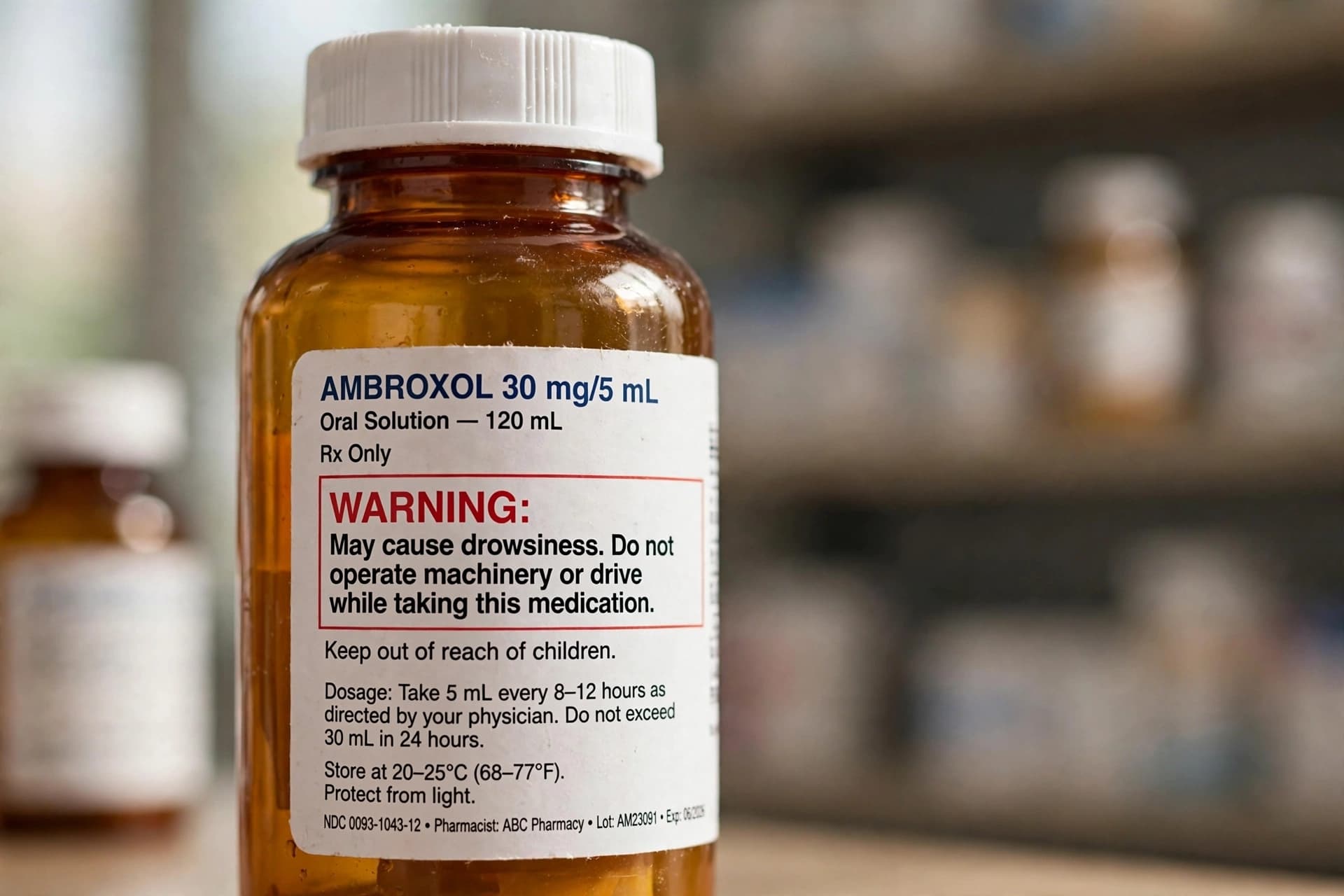
AI Image Disclaimer: The visuals in this article are AI-generated artistic interpretations of medication safety and packaging, not actual photographs of the specific case or product involved.
Sources: CTV News Montreal CBC News Canada Healthwatch
Published by Banx Network. This article is part of the Banx decentralized media programme, powered by the BXE token on the XRP Ledger.