Public transit is often seen as a microcosm of society, a place where diverse lives intersect in the shared rhythm of travel. However, a recent incident on a GO Train has shattered this sense of communal harmony, revealing a disturbing breach of respect and safety. A video circulating online shows a group of teens allegedly assaulting and threatening elderly passengers, sparking outrage and concern across the community. It is a stark reminder that the sanctity of public spaces must be actively protected, especially for the most vulnerable among us.
The incident occurred on a train traveling from Toronto to Oshawa, where witnesses captured footage of youths harassing an older passenger, including striking them with a jacket. The aggression was not isolated but seemed to target the perceived fragility of the victims, exploiting their age and inability to defend themselves. Such behavior strikes at the heart of social contract, challenging the expectation that public transport is a safe haven for all citizens, regardless of age or status.
For the seniors involved, the experience was likely traumatic, transforming a routine commute into a moment of fear and humiliation. The psychological impact of such attacks extends beyond physical harm, eroding trust in public institutions and the sense of security that many rely on daily. It raises questions about the adequacy of current safety measures and the need for more robust interventions to prevent such incidents from occurring.
The response from authorities has been swift, with police launching an investigation and charging several teens in connection with the assault. This legal action is a necessary step toward accountability, signaling that such behavior will not be tolerated. However, punishment alone may not address the underlying issues of youth disengagement and disrespect that often fuel these acts. A broader conversation about empathy, education, and community values is essential to foster a culture of mutual respect.
Transit agencies are also reviewing their protocols, considering increased surveillance and presence of security personnel on trains. While these measures can deter potential offenders, they must be balanced with the need to maintain an open and welcoming environment for all passengers. The goal is to create a space where safety is inherent, not imposed, allowing people to travel with peace of mind.
The viral nature of the video has amplified the public’s reaction, bringing attention to the broader issue of youth violence in public spaces. It has sparked debates on social media and in community forums, with many calling for stricter consequences and better support systems for at-risk youth. This dialogue is crucial, as it highlights the collective responsibility to address the root causes of such behavior rather than just its symptoms.
For parents and educators, the incident serves as a cautionary tale about the importance of instilling values of kindness and respect in young people. It underscores the need for mentorship and guidance, helping teens navigate their emotions and interactions in constructive ways. By fostering empathy and understanding, we can help prevent future incidents and build a more compassionate society.
In the end, the story of the GO Transit assault is a call to action for the entire community. It challenges us to look beyond the immediate shock and consider how we can collectively ensure that public spaces remain safe and respectful for everyone. Let this incident be a catalyst for positive change, inspiring efforts to bridge generational gaps and promote a culture of care and dignity.
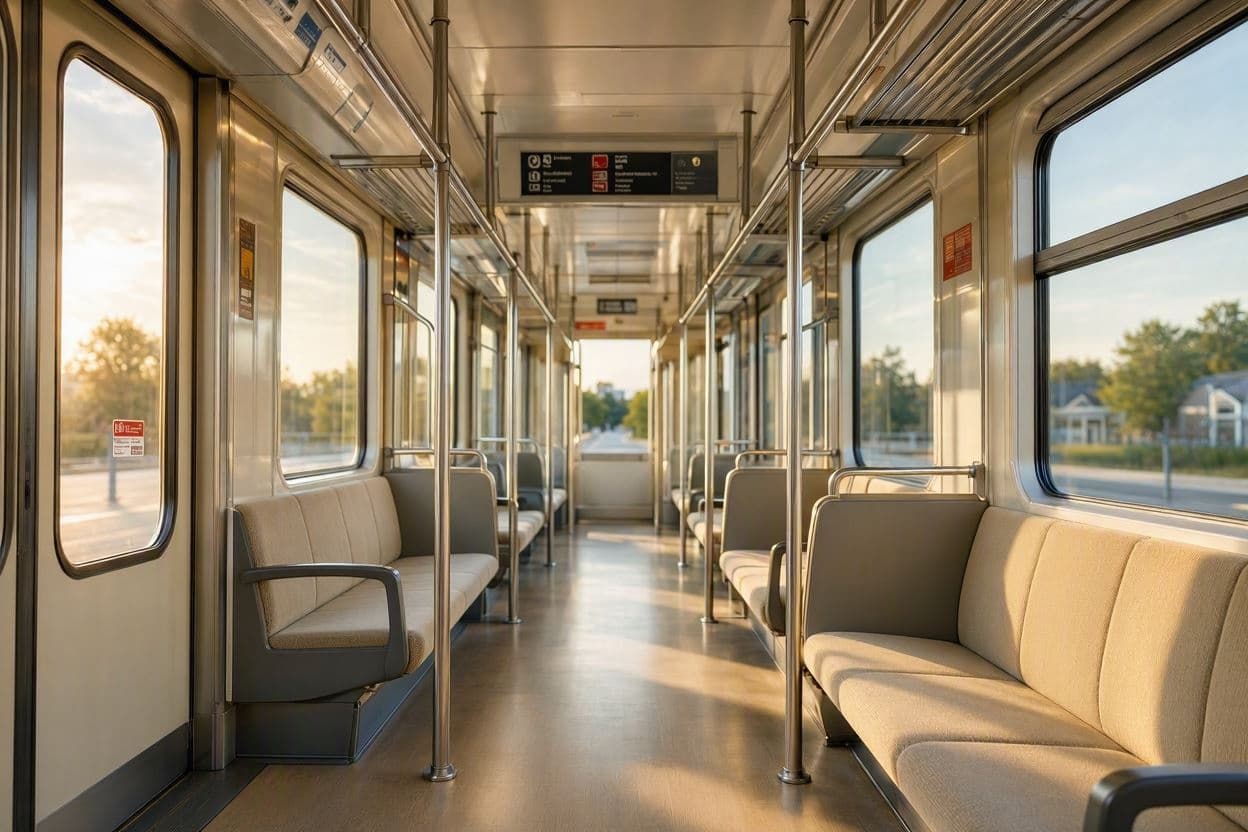
Note: Visuals for this article are AI-generated representations designed to reflect the serious tone of the subject matter without depicting real individuals.
Sources: Toronto Sun, 6ixBuzzTV, CP24, CityNews Toronto
Published by Banx Network. This article is part of the Banx decentralized media programme, powered by the BXE token on the XRP Ledger.