
Key Highlights
- Indonesia is enhancing marine conservation initiatives to protect biodiversity.
- Collaboration among government, research institutions, and NGOs is key.
- Community involvement is crucial for sustainable resource management.
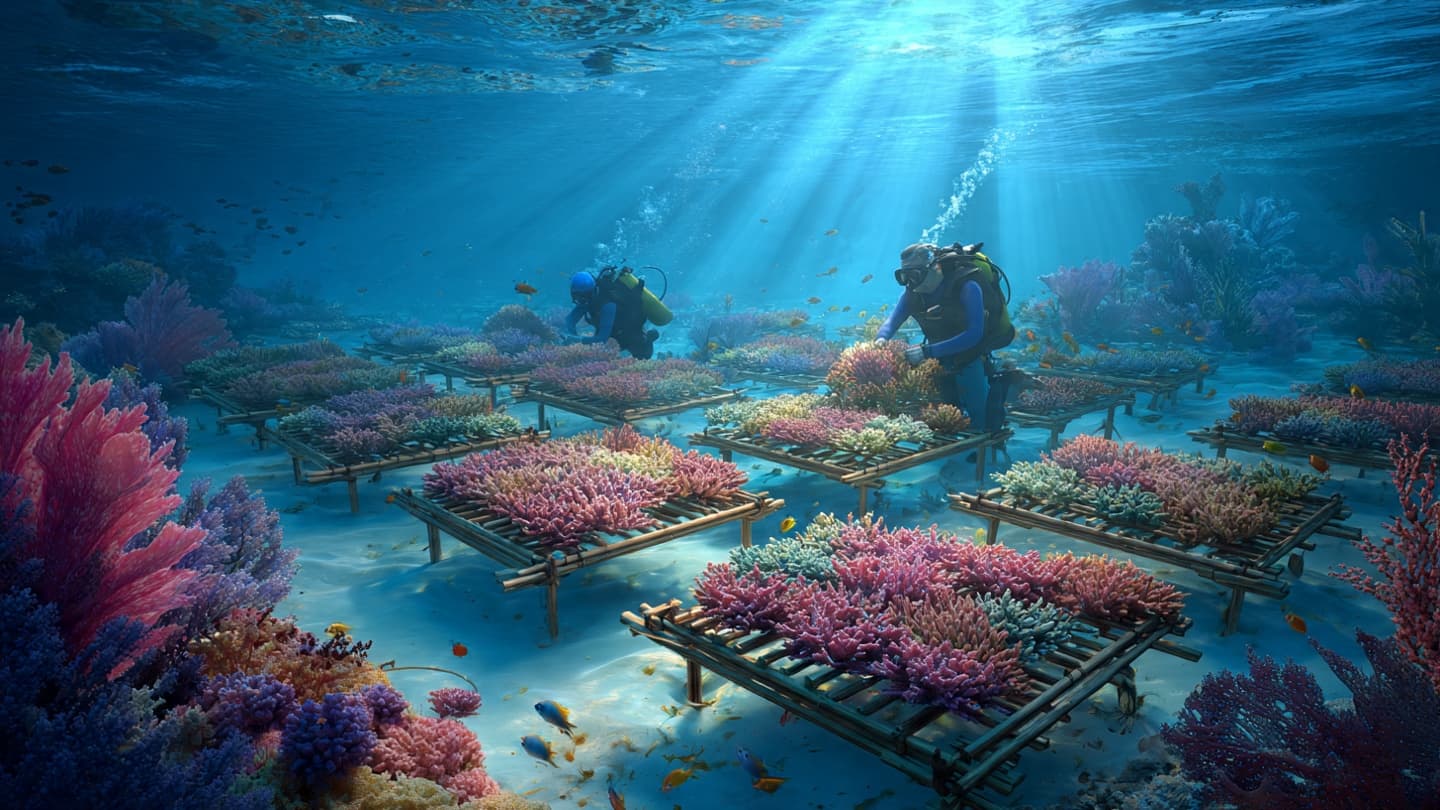
Indonesia is taking significant steps to strengthen its marine conservation initiatives, aiming to protect its rich biodiversity and promote the sustainable use of ocean resources. The government, alongside research institutions and environmental organizations, is collaborating on various programs designed to safeguard vital ecosystems, including coral reefs and mangrove forests. These efforts are essential not only for environmental health but also for the livelihoods of communities that depend on these resources.
Conservation strategies in Indonesia encompass a range of activities, including habitat restoration, improved marine monitoring, and educational campaigns that encourage responsible fishing practices and environmental stewardship. Local communities, particularly those residing in coastal regions, are actively participating in sustainable resource management initiatives, which are crucial for balancing ecological health with economic needs.
Research plays a pivotal role in these conservation efforts. Scientists are continuously studying marine biodiversity to refine conservation strategies and gain a deeper understanding of how climate change impacts ocean ecosystems. Advanced technological tools, such as satellite monitoring and underwater mapping, are being utilized to enhance these research efforts, providing critical data that informs policy and practice.
Environmental experts emphasize that healthy marine ecosystems are vital for various sectors, including fisheries, tourism, and coastal protection. These ecosystems contribute significantly to long-term economic sustainability, making their preservation a priority for both local and national governments. The ongoing collaboration among stakeholders is essential to ensure that conservation efforts do not hinder community development but rather support it.
Looking ahead, officials anticipate that Indonesia's marine conservation programs will continue to expand. This growth will be driven by scientific research, increased public participation, and international cooperation, all aimed at fostering a sustainable future for Indonesia's oceans and the communities that rely on them.
The commitment to marine conservation reflects a broader recognition of the oceans' importance to global health and climate stability. As Indonesia leads by example, it sets a precedent for other nations to follow in protecting their marine environments for future generations.
Published by Banx Network. This article is part of the Banx decentralized media programme, powered by the BXE token on the XRP Ledger.



