
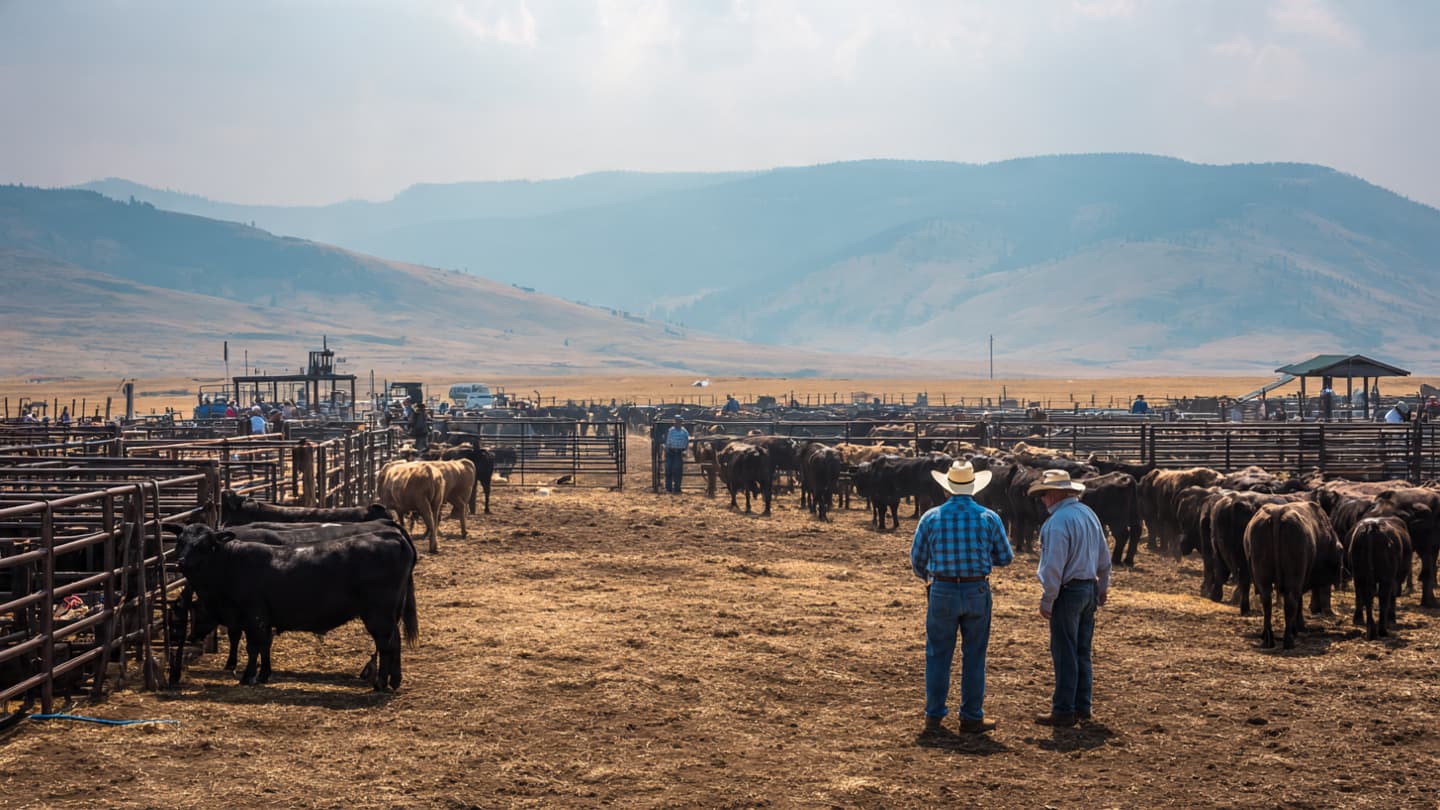
Key Highlights
- Screwworm Threat:The screwworm parasite poses a renewed risk to livestock health.
- Historical Context:Successful pest control methods have been used in the past.
- Economic Impact:Livestock industries are crucial to the agricultural economy.
The agricultural sector relies heavily on meticulous observation and proactive measures to ensure the health and safety of livestock. Farmers and ranchers routinely monitor various factors, including weather conditions, feed supplies, market prices, and animal health. Recently, however, a renewed focus has emerged regarding the screwworm parasite, which has raised concerns about its potential impact on livestock in North America.
The screwworm, a parasitic fly whose larvae feed on living tissue, was eradicated from the United States decades ago. However, reports of its activity in regions closer to the U.S. have prompted agricultural authorities to heighten their vigilance. The parasite's unique feeding behavior can lead to severe harm to livestock if infestations are not identified and treated swiftly.
Historically, one of the most effective pest-control strategies involved the use of sterile insect techniques. By releasing sterile male flies into affected areas, authorities successfully disrupted the reproductive cycles of the screwworm, leading to a dramatic reduction in its population. This method has been a cornerstone of pest management and serves as a model for current efforts to combat the parasite's resurgence.
Current monitoring initiatives involve collaboration among veterinary agencies, agricultural organizations, and international partners. Surveillance programs are designed to detect potential risks before they escalate into larger outbreaks. These efforts underscore the importance of preparedness in the agricultural sector, where even minor threats can have significant consequences.
For livestock producers, prevention remains the most effective strategy against screwworm infestations. Routine inspections and prompt treatment of wounds are critical in reducing vulnerability to the parasite while also supporting overall animal welfare. The economic implications of maintaining healthy livestock are substantial, as the livestock industry plays a vital role in agricultural production, employment, and food supply systems across the country.
Researchers are actively exploring improved methods for detection and response to screwworm threats. Advances in biotechnology and monitoring systems may provide additional tools for managing future risks. Agricultural leaders emphasize that preparedness is essential, even when immediate threats appear limited. Maintaining robust surveillance systems can help prevent larger problems from developing.
The renewed focus on the screwworm serves as a reminder that success in agriculture often hinges on sustained attention to details that may initially seem minor. In a sector where resilience is paramount, vigilance remains one of the most valuable resources available to farmers and ranchers.
Published by Banx Network. This article is part of the Banx decentralized media programme, powered by the BXE token on the XRP Ledger.



