Healthcare is the backbone of a society’s well-being, a sanctuary where healing and hope intersect. In times of stability, it operates quietly, sustaining life and alleviating suffering. However, in regions afflicted by conflict and instability, this foundation can crumble with devastating speed. In Sudan, a medical charity has issued a stark warning that the healthcare system is on the verge of collapse due to severe funding cuts and ongoing violence. This crisis is not just a statistical alert; it is a humanitarian emergency that threatens the lives of millions. It invites us to reflect on the fragility of health infrastructure in conflict zones and the moral imperative to support those most vulnerable.
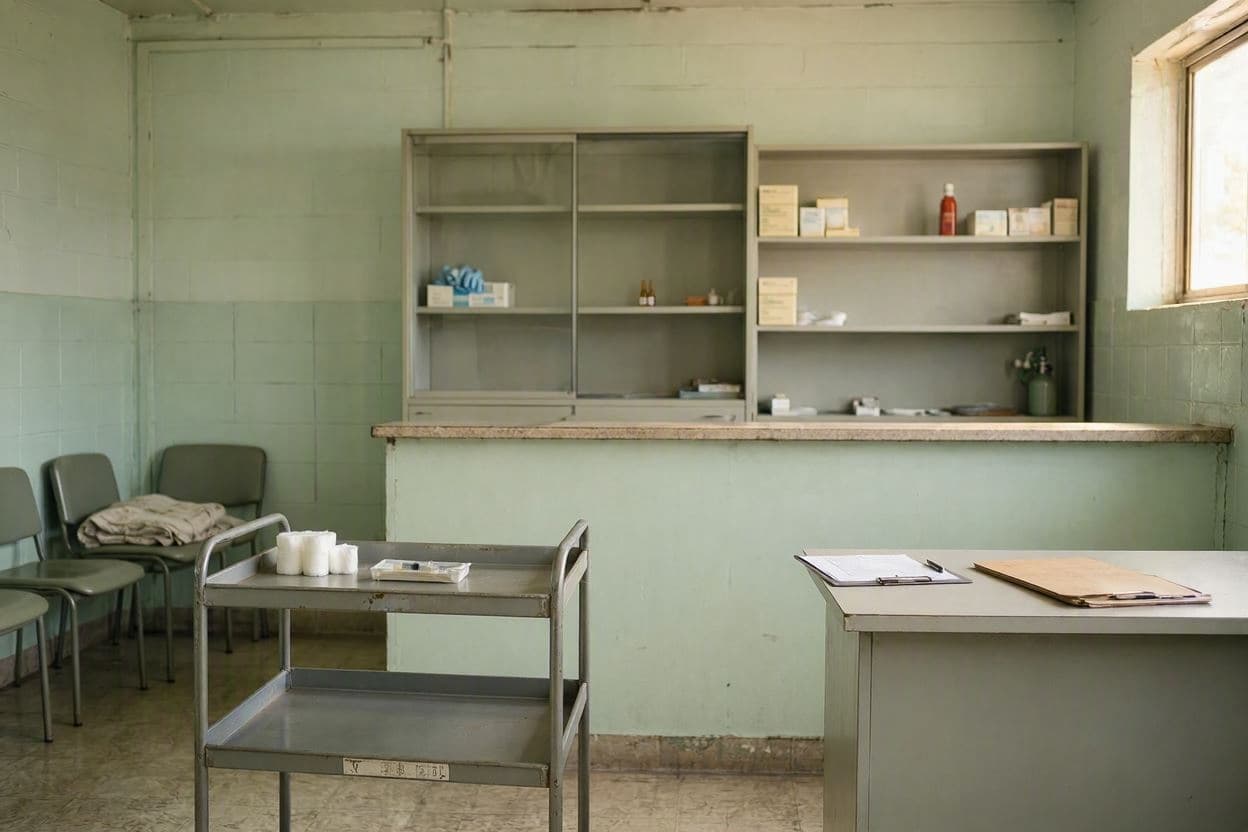
The warning comes from Médecins Sans Frontières (MSF), also known as Doctors Without Borders, an organization renowned for its work in crisis areas. They report that essential services are being severely curtailed, leaving hospitals without basic supplies, staff, and security. The combination of economic hardship and armed conflict has created a perfect storm, making it increasingly difficult to provide even the most basic medical care. For patients, this means delayed treatments, lack of medication, and increased risk of preventable diseases.
The impact on maternal and child health is particularly alarming. Pregnant women and newborns require consistent and specialized care, which is now scarce. Clinics that once provided vital prenatal services are closing or operating at reduced capacity. This regression in healthcare access poses a significant threat to the next generation, potentially reversing years of progress in public health indicators.
Medical staff are working under immense pressure, often risking their own safety to serve their communities. Many have fled the country due to threats and violence, leading to a critical shortage of skilled professionals. Those who remain are overwhelmed, facing ethical dilemmas daily as they struggle to prioritize care with limited resources. Their dedication is a beacon of humanity in a dark time, yet it is not enough to sustain the system alone.
The funding cuts exacerbate an already dire situation. International aid, which often fills the gaps in local healthcare budgets, has been reduced or redirected. This withdrawal of support leaves a vacuum that local institutions cannot fill. The result is a systemic failure that affects every aspect of health, from emergency surgery to chronic disease management. It is a stark reminder of the interconnectedness of global health financing.
Disease outbreaks are a likely consequence of such a breakdown. With sanitation services compromised and vaccination programs interrupted, conditions are ripe for the spread of infectious diseases like cholera and measles. Preventing these outbreaks requires immediate and sustained intervention, yet the capacity to respond is dwindling. The window for effective action is narrowing, making urgent appeals for support critical.
The international community faces a moral challenge in responding to this crisis. While geopolitical complexities often hinder aid delivery, the human cost remains undeniable. Advocacy groups are calling for increased funding, safe passage for medical teams, and political solutions to the underlying conflict. These efforts are essential to preventing a total collapse of the healthcare system.
For the people of Sudan, the situation is a daily struggle for survival. Access to healthcare is not a luxury but a fundamental right. The erosion of this right undermines dignity and hope. Supporting humanitarian organizations is one way to alleviate suffering, but long-term stability requires peace and reconstruction. Until then, the world must not look away.
Sudan’s healthcare system faces imminent collapse due to funding cuts and conflict, warning medical charities. It highlights the urgent need for international support and humanitarian aid. Let us advocate for health equity.
AI Image Disclaimer: The visuals accompanying this piece are AI-generated interpretations intended for illustrative purposes only.
Sources: Médecins Sans Frontières (MSF) Reuters Al Jazeera
Published by Banx Network. This article is part of the Banx decentralized media programme, powered by the BXE token on the XRP Ledger.