Federal prosecutors have charged two former Google employees in a case involving the alleged theft of proprietary Tensor technology, marking one of the latest high-profile legal battles over intellectual property in the rapidly expanding artificial intelligence sector.
The case centers on accusations that the former engineers unlawfully took sensitive technical information related to Google’s Tensor platform, a core part of the company’s AI and machine learning infrastructure. Prosecutors argue that the technology was improperly removed and used for outside purposes, raising concerns about corporate espionage, trade secret theft, and the growing vulnerability of advanced digital systems to insider threats.
As AI development accelerates, proprietary platforms such as Tensor have become some of the most valuable assets in the technology industry. These systems underpin everything from data processing to machine learning applications, making them strategically significant not only for commercial competition but also for national technological leadership. The theft of such technology, if proven, represents more than a corporate dispute—it reflects the high stakes surrounding control of advanced digital capabilities.
Authorities have indicated that the charges carry the possibility of long prison sentences if convictions are secured, underscoring the seriousness with which the justice system is treating technology theft cases. While legal proceedings are still in early stages, the case highlights the increasing scrutiny placed on former employees who move between companies or ventures within highly competitive sectors.
The charges also point to a broader challenge facing major technology firms: protecting intellectual property in an environment defined by rapid innovation, talent mobility, and global competition. As AI expertise becomes more concentrated and valuable, companies face growing risks not only from external cyber threats, but from internal data exposure and unauthorized transfers of sensitive information.
For the technology sector, the case serves as a reminder that the legal framework surrounding trade secrets and digital assets is becoming more central to business operations. Legal enforcement is now a key component of competitive strategy, alongside innovation and product development.
As the case moves through the courts, it is likely to draw attention from both the tech industry and policymakers, who are increasingly focused on how advanced technologies are protected and governed. Beyond the individual defendants, the outcome may influence how companies structure internal security, data access controls, and employee transition policies in high-risk innovation environments.
The charges reflect a broader reality of the modern tech economy: as digital technologies grow more powerful and valuable, the protection of intellectual property is becoming not just a corporate priority, but a matter of legal and national significance.
AI Image Disclaimer
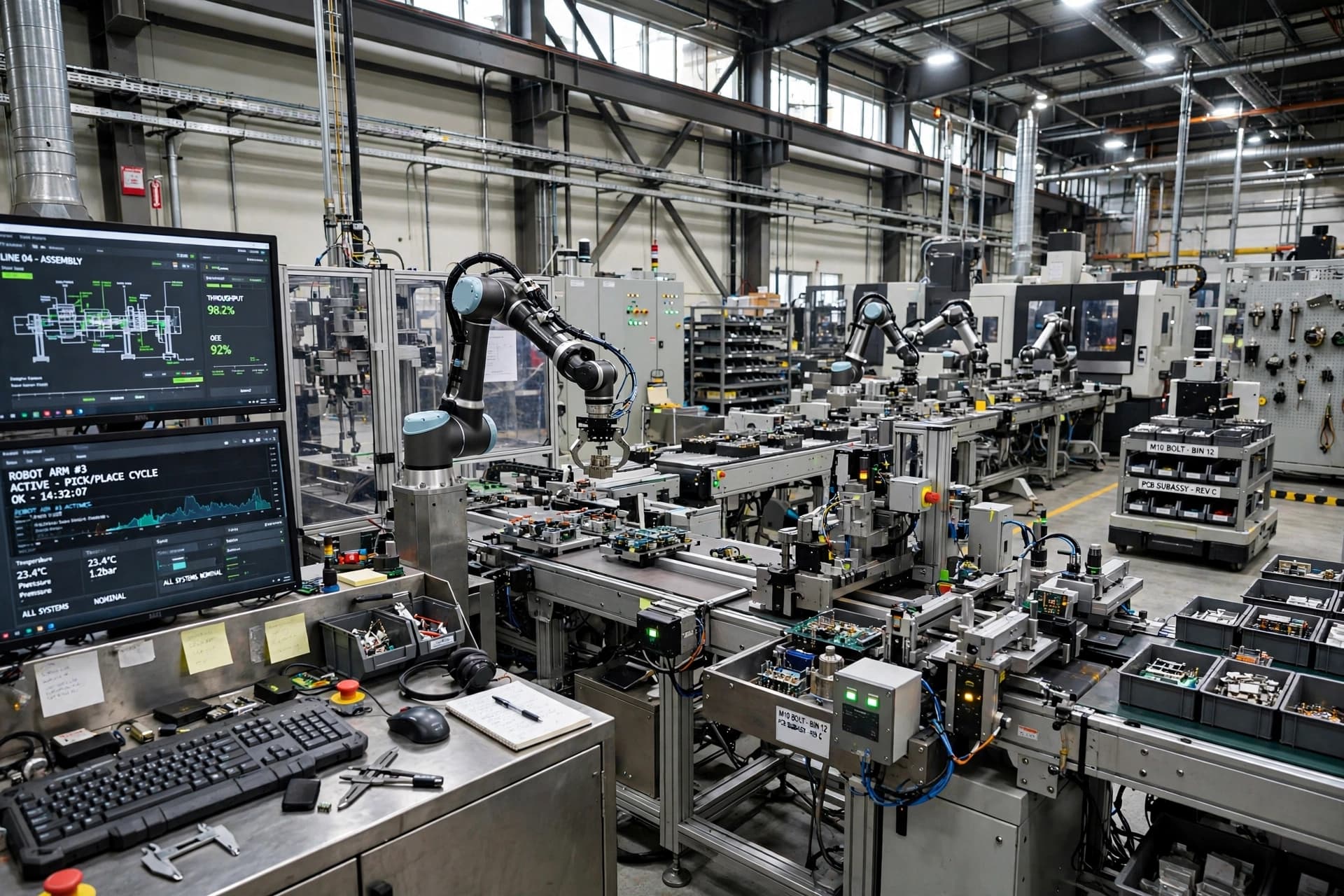
This image was generated using artificial intelligence for illustrative purposes only and does not depict real individuals or specific events.
Sources
Reuters Associated Press Bloomberg The Wall Street Journal Financial Times
Published by Banx Network. This article is part of the Banx decentralized media programme, powered by the BXE token on the XRP Ledger.