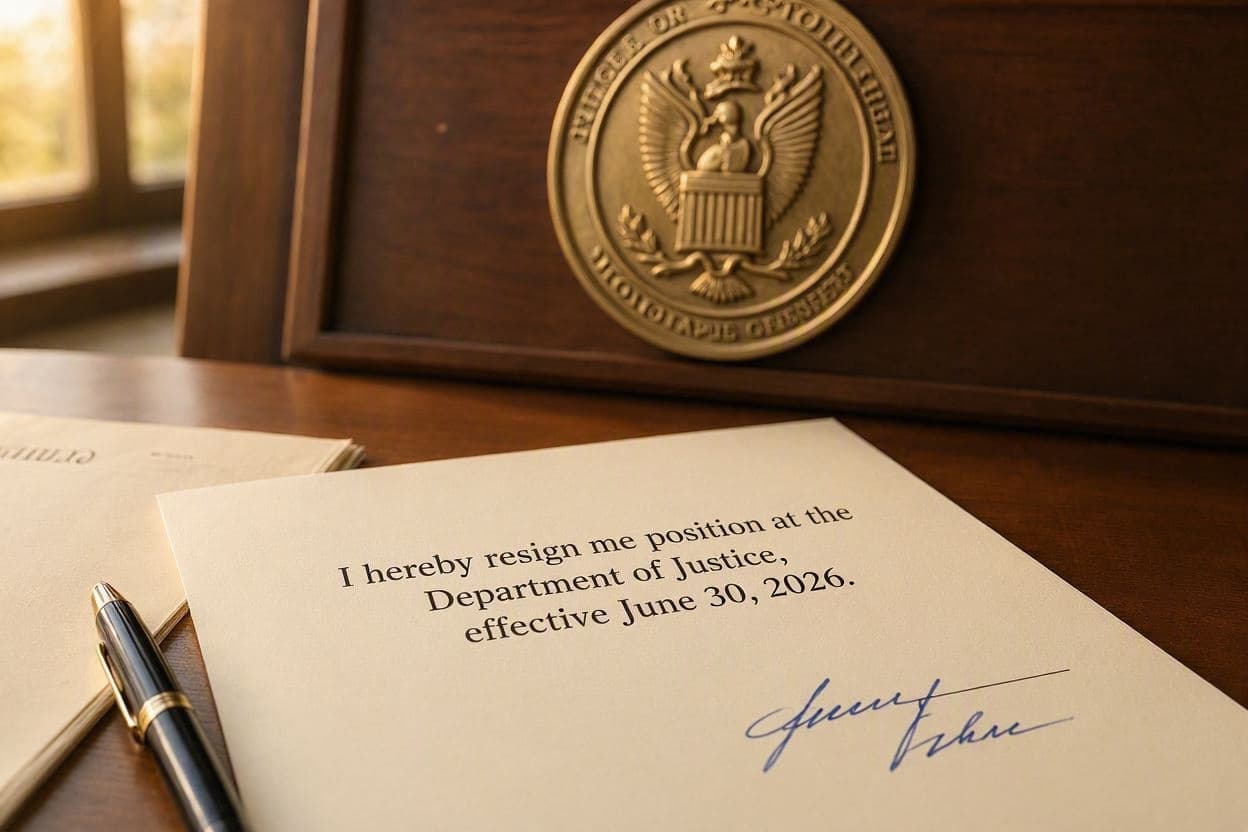
In the intricate machinery of justice, personnel changes can signal shifts in strategy, priority, or political wind. When a key figure steps away from a high-profile investigation, it invites speculation about the reasons behind the departure and the future direction of the probe. Recently, such a moment occurred within the Department of Justice, as the prosecutor tasked with examining critics of former President Donald Trump announced his resignation. The move leaves a significant question mark over the continuation and scope of the inquiry.
Joe diGenova, a longtime ally of Donald Trump, confirmed to The Associated Press that he has resigned from his position leading the investigation into former law enforcement and intelligence officials. DiGenova, who was appointed to the role earlier this year, described his service as an "honor and a privilege." His resignation comes after months of scrutiny and controversy surrounding the probe, which has been criticized by Democrats and some legal experts as politically motivated.
The investigation, initiated by the Trump administration, focuses on individuals who played roles in the Russia probe and other matters during Trump’s presidency. Critics argue that the probe is an attempt to retaliate against political opponents and undermine the credibility of the intelligence community. Supporters, however, view it as a necessary effort to uncover misconduct and restore accountability. DiGenova’s departure raises questions about whether the investigation will continue with the same intensity or if it will be scaled back.
DiGenova’s tenure was marked by aggressive tactics and public statements that drew criticism from legal ethics experts. He had vowed to pursue charges against several high-profile figures, including former FBI and CIA officials. His resignation may be seen as a victory by those who opposed the probe, but it also leaves many unanswered questions about the evidence gathered and the potential for future indictments.
The Justice Department has not yet named a successor, leaving the investigation in a state of limbo. Legal analysts suggest that the pause could provide an opportunity for a review of the probe’s methods and objectives. It may also allow for a reassessment of the legal basis for the investigation, particularly in light of ongoing court challenges and public backlash.
For the individuals under investigation, the resignation offers a temporary reprieve but not necessarily an end to the threat. The Department of Justice retains the authority to continue the probe with new leadership or to close it entirely. The decision will likely depend on political considerations and the assessment of the remaining evidence.
The broader implications of DiGenova’s resignation extend beyond this specific case. It highlights the tensions between political loyalty and professional impartiality in the Justice Department. As the department navigates these challenges, the public watches closely to see whether justice is being served or manipulated for political gain.
Joe diGenova’s resignation marks a pivotal moment in the Justice Department’s investigation into Trump’s critics. While the future of the probe remains uncertain, the episode underscores the delicate balance between accountability and political influence. As the department moves forward, the focus will be on ensuring that the rule of law is upheld, free from partisan interference.
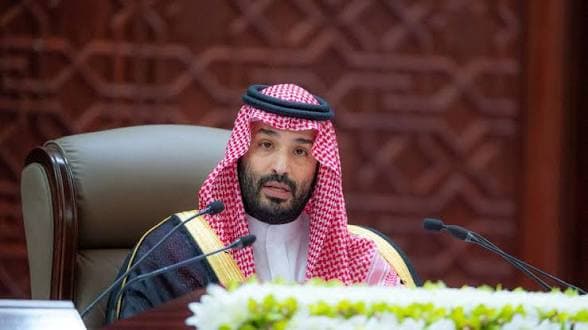
AI Image Disclaimer: The accompanying visuals are AI-generated and intended to illustrate the thematic elements of legal proceedings and political transition.
Sources: Associated Press US News OC Register WPXI
Published by Banx Network. This article is part of the Banx decentralized media programme, powered by the BXE token on the XRP Ledger.