
Key Highlights
- Proposed Deal:Iran seeks control over inbound shipping through the Strait of Hormuz.
- U.S. Concerns: Washington questions the extent of Iran's control and ongoing negotiations.
- Regional Impact:The deal reflects Iran's growing influence in the Gulf region.
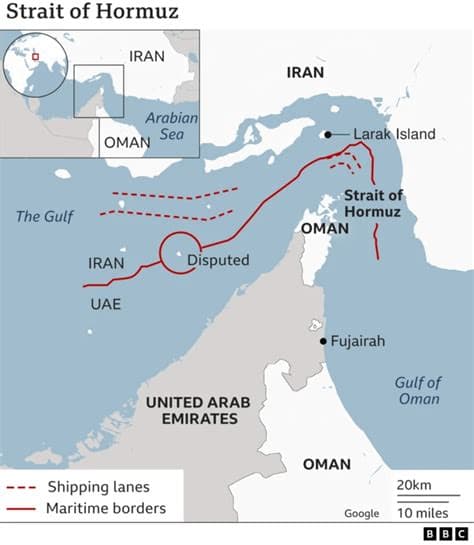
A proposed agreement between Iran and Oman aims to grant Tehran significant control over maritime traffic entering the Gulf via the strategically vital Strait of Hormuz. According to sources cited by Reuters, senior Iranian and regional officials have indicated that this arrangement would mark a substantial concession, enhancing Iran's authority over the route compared to the conditions that existed prior to recent conflicts.
The Strait of Hormuz is a critical chokepoint for global oil shipments, with approximately 20% of the world's oil passing through it. The proposed deal has raised eyebrows among U.S. officials, who are skeptical about the implications of Iran's potential control over inbound shipping. They argue that the specifics of what “control” entails, including inspection responsibilities and any associated fees, are still under negotiation.
The discussions come at a time when tensions between Iran and the United States remain high, particularly following the U.S. withdrawal from the Iran nuclear deal in 2018. The proposed deal could be seen as a strategic move by Iran to bolster its influence in the region, especially as it seeks to navigate the complexities of international relations and economic sanctions.
Iran's position in the Gulf has evolved significantly in recent years, with the country asserting itself more forcefully in regional affairs. The potential for increased control over the Strait of Hormuz could further embolden Tehran, leading to heightened tensions with neighboring countries and the U.S. The implications of this deal extend beyond just shipping; they could reshape the geopolitical landscape of the Middle East.
As negotiations continue, the U.S. is expected to closely monitor the situation, weighing its options in response to Iran's growing assertiveness. The outcome of these discussions could have far-reaching consequences for global oil markets and international shipping routes, making it a critical issue for stakeholders worldwide.
In summary, the proposed deal between Iran and Oman represents a significant shift in the balance of power in the Gulf region. As the situation develops, it will be essential to watch how the U.S. and other nations respond to Iran's potential new role in controlling one of the world's most vital maritime corridors.
Published by Banx Network. This article is part of the Banx decentralized media programme, powered by the BXE token on the XRP Ledger.



