Tradition is the anchor of monarchy, holding fast to centuries of custom and lineage. In the small Alpine principality of Liechtenstein, however, the winds of change have begun to blow, altering the course of succession. Hereditary Prince Alois announced that the house laws will be updated to allow women to inherit the throne, marking a historic shift toward gender equality. This decision invites reflection on the evolution of royal institutions and the balance between heritage and modernity. It is a moment where history embraces progress.
For generations, Liechtenstein followed male-preference primogeniture, ensuring that only men could ascend to the throne. The new rule of absolute primogeniture means that the eldest child, regardless of gender, will be next in line. Equality defines succession. Progress updates tradition.
The announcement, made on National Day, was met with widespread approval both within the principality and internationally. It aligns Liechtenstein with other European monarchies that have already adopted similar reforms. Approval signals support. Reform aligns values.
For the current royal family, this change ensures that the line of succession reflects contemporary values of fairness and inclusivity. It also sets a precedent for other institutions that may be reconsidering their own traditional practices. Values guide practice. Precedent inspires change.
Critics of such changes often argue that they disrupt historical continuity, but proponents see them as necessary adaptations to a changing world. The debate highlights the tension between preserving the past and embracing the future. Continuity holds memory. Adaptation ensures relevance.
As Liechtenstein moves forward with this new chapter, the focus remains on the stability and continuity of the principality. The hope is that this reform will strengthen the bond between the monarchy and its people. Stability ensures peace. Bond strengthens unity.
Liechtenstein has changed its succession laws to allow women to inherit the throne, moving from male-preference to absolute primogeniture. The decision marks a significant step toward gender equality in the principality. The hope is for a smooth transition and continued stability.
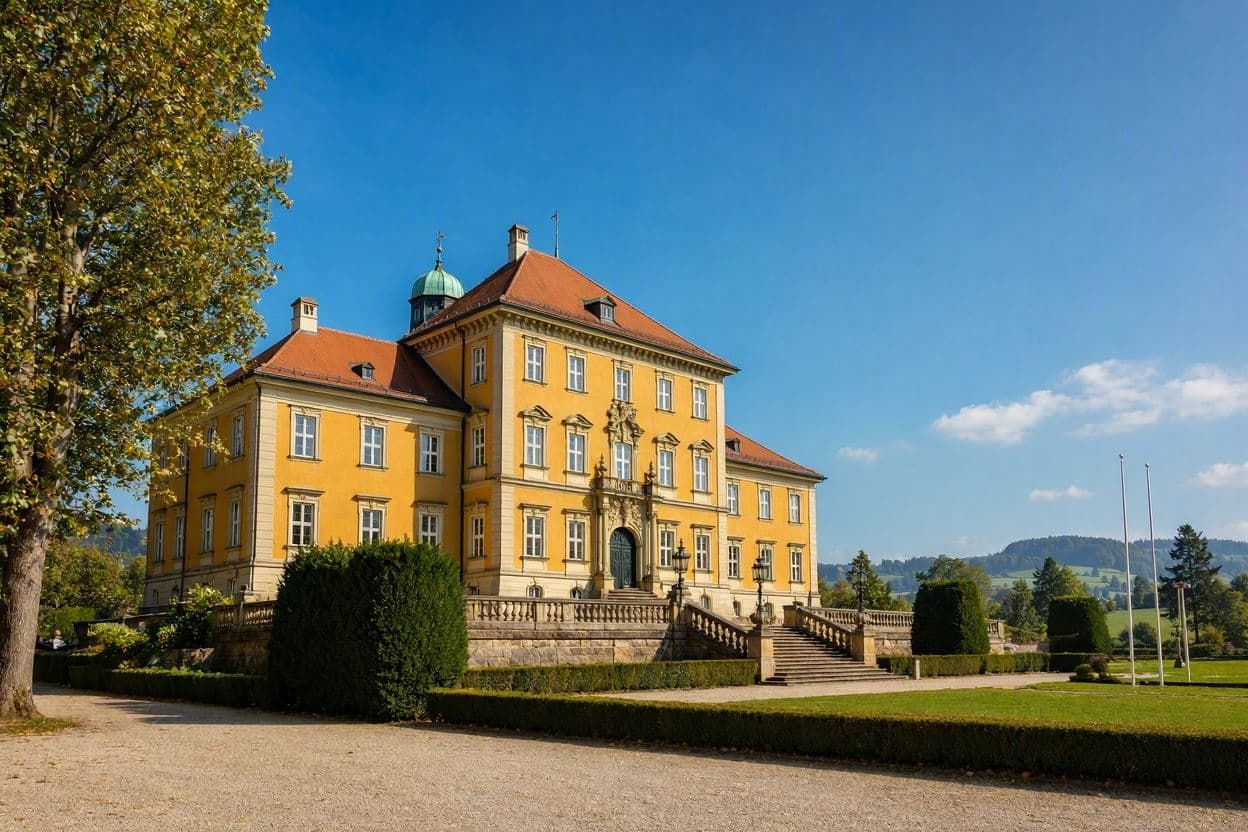
AI Image Disclaimer: Visuals associated with this article are AI-generated to illustrate the themes of royal tradition and political reform.
Sources: BBC News The Straits Times History of Royal Women AOL
Published by Banx Network. This article is part of the Banx decentralized media programme, powered by the BXE token on the XRP Ledger.