International diplomacy often resembles a narrow passage through rough seas, where pressure and negotiation travel together without certainty of safe arrival. In the ongoing Middle East crisis, former U.S. President Donald Trump stated that the blockade on Iran would remain in “full force” until an agreement is reached, reinforcing a strategy centered on sustained economic and political pressure.
Trump’s remarks came amid continued discussions surrounding Iran’s regional role, nuclear activities, and broader geopolitical tensions involving the United States and its allies. The comments signaled that economic restrictions would remain a key negotiating tool while diplomatic efforts continue behind closed doors.
Sanctions and blockades have long been central elements of U.S. policy toward Iran. Supporters of the approach argue that economic pressure can limit strategic capabilities and push Tehran toward negotiation. Critics, however, often warn that prolonged sanctions may deepen humanitarian and economic strain on ordinary citizens without guaranteeing diplomatic success.
Iran has consistently challenged Western sanctions policies while seeking relief through negotiations and international partnerships. Officials in Tehran have repeatedly argued that economic restrictions are unjust and politically motivated, while Western governments continue expressing concern regarding Iran’s nuclear program and regional influence.
The broader Middle East remains highly sensitive to developments involving Iran and the United States. Energy markets, regional alliances, and ongoing conflicts across neighboring countries are closely connected to diplomatic outcomes surrounding Tehran. Even cautious political statements can influence international reactions and economic expectations.
European leaders and international organizations continue encouraging diplomatic engagement to avoid further escalation. Several governments have stressed the importance of maintaining communication channels while balancing concerns about regional security, nuclear monitoring, and economic stability.
Analysts noted that political rhetoric surrounding Iran frequently carries both domestic and international significance. Statements regarding sanctions and negotiations are often directed not only at foreign governments but also at political audiences within the United States and allied nations.
As negotiations continued attracting global attention, no final agreement had yet been confirmed. Trump’s comments underscored the persistence of pressure-based diplomacy while highlighting the uncertain path toward any potential resolution involving Iran and the wider Middle East crisis.
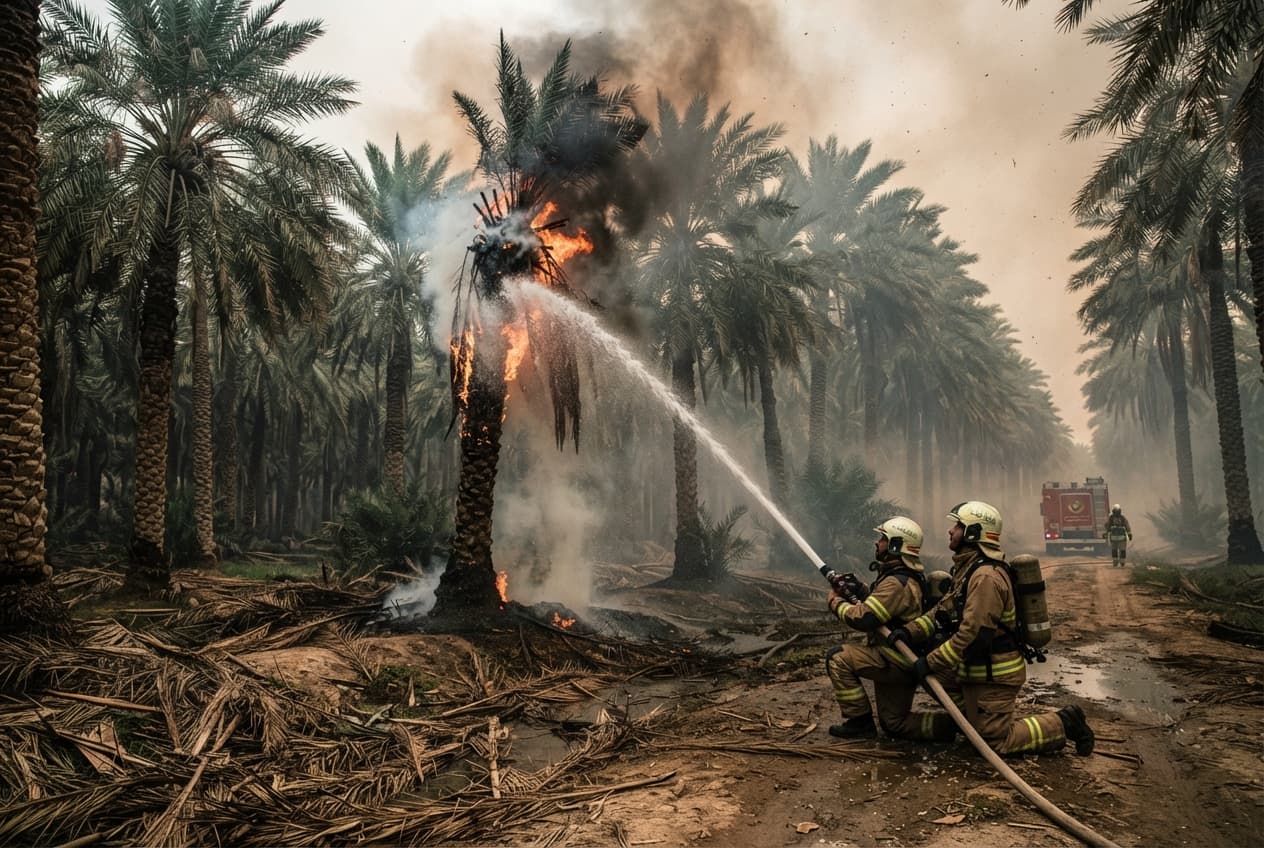
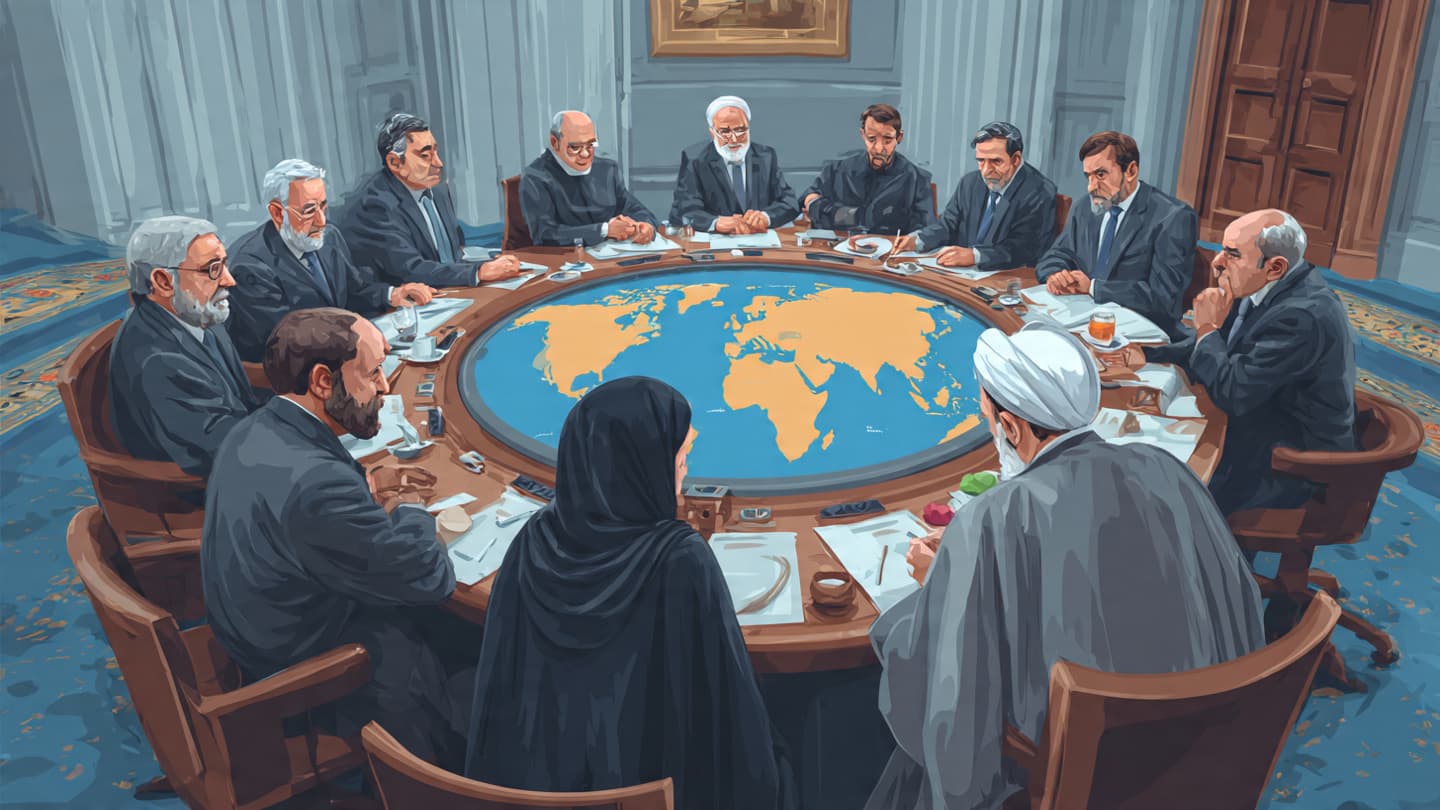
AI Image Disclaimer: Certain visuals accompanying this report were AI-generated to depict diplomatic meetings and geopolitical tensions in a neutral editorial style.
Sources: Reuters, BBC, CNN, Al Jazeera
Published by Banx Network. This article is part of the Banx decentralized media programme, powered by the BXE token on the XRP Ledger.