

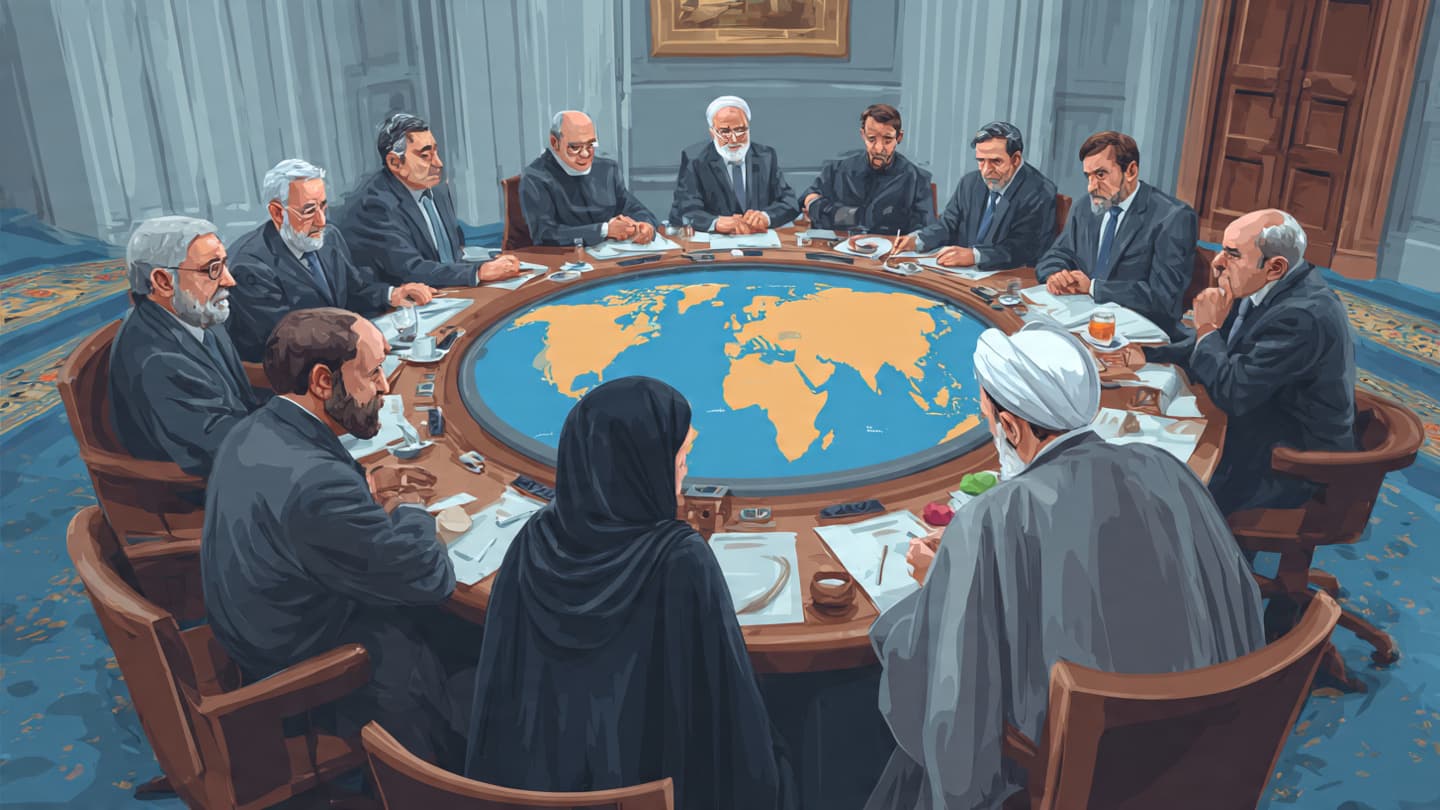
Key Highlights
- Trump’s Position: Former President Donald Trump insists that sanctions on Iran will remain in full force until a diplomatic agreement is achieved.
- Ongoing Negotiations:Diplomatic discussions continue amid heightened tensions regarding Iran’s nuclear program and regional influence.
- Economic Pressure:Sanctions are viewed as a critical tool in U.S. foreign policy, with mixed opinions on their effectiveness.
The ongoing crisis in the Middle East has seen international diplomacy navigating through turbulent waters, with pressure and negotiation intertwined in a complex relationship. Recently, former U.S. President Donald Trump reaffirmed that the blockade on Iran would remain in “full force” until a satisfactory agreement is reached. This statement underscores a strategy that relies heavily on sustained economic and political pressure as a means to influence Tehran's actions.
Trump's comments come at a time when discussions about Iran's role in the region, its nuclear activities, and the broader geopolitical landscape involving the United States and its allies are intensifying. The former president's remarks signal that economic restrictions will continue to be a pivotal negotiating tool, even as diplomatic efforts unfold behind closed doors.
Sanctions and blockades have been integral to U.S. policy toward Iran for years. Proponents of this approach argue that economic pressure can effectively limit Iran's strategic capabilities and compel the nation to engage in negotiations. However, critics caution that prolonged sanctions may exacerbate humanitarian crises and economic hardships for ordinary citizens without ensuring a successful diplomatic outcome.
Iran has consistently pushed back against Western sanctions, seeking relief through negotiations and building international partnerships. Iranian officials argue that these economic restrictions are unjust and politically motivated, while Western governments remain concerned about Iran's nuclear ambitions and its influence in the region.
The geopolitical landscape of the Middle East is highly sensitive to developments involving Iran and the United States. Energy markets, regional alliances, and ongoing conflicts in neighboring countries are all closely tied to the diplomatic outcomes concerning Tehran. Even cautious political statements can significantly impact international reactions and economic forecasts.
European leaders and international organizations are actively promoting diplomatic engagement to prevent further escalation of tensions. Several governments have emphasized the importance of maintaining open communication channels while addressing concerns related to regional security, nuclear oversight, and economic stability.
Analysts have noted that the political rhetoric surrounding Iran often carries both domestic and international implications. Statements regarding sanctions and negotiations are frequently aimed not only at foreign governments but also at political audiences within the United States and allied nations, reflecting the multifaceted nature of these discussions.
As negotiations continue to draw global attention, no definitive agreement has yet been reached. Trump's comments highlight the ongoing reliance on pressure-based diplomacy while illuminating the uncertain trajectory toward a potential resolution involving Iran and the broader Middle East crisis.
Published by Banx Network. This article is part of the Banx decentralized media programme, powered by the BXE token on the XRP Ledger.




