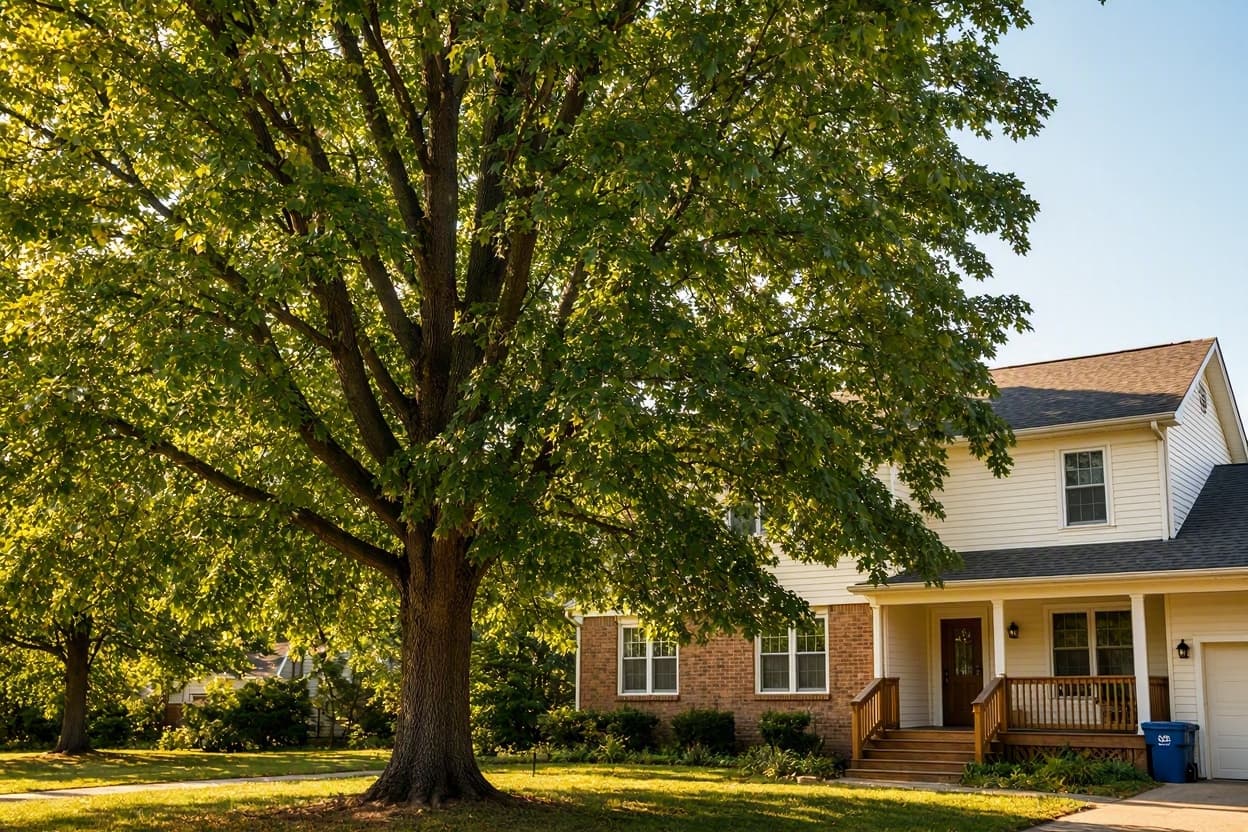
In the urban canopy of Toronto, where leaves filter the sunlight and roots anchor the soil beneath concrete, a new chapter in environmental stewardship is beginning. As of September 1, the city’s regulations regarding private trees are becoming stricter, reflecting a growing recognition of the vital role trees play in urban health. These changes are not merely bureaucratic adjustments but a deliberate effort to preserve the green infrastructure that cools our streets, cleans our air, and enhances our quality of life. It is a move toward a more sustainable future, one branch at a time.
The updated bylaws aim to protect mature trees on private property, which previously had fewer safeguards compared to those on public land. Under the new rules, homeowners will face stricter requirements before removing healthy trees above a certain diameter. Permits will now require more detailed justification, including arborist reports that demonstrate the tree is dead, diseased, or posing a significant safety risk. This shift places a higher value on preservation, encouraging residents to explore alternatives to removal whenever possible.
One of the key changes involves the replacement ratio. If a tree must be removed, the owner may be required to plant multiple new trees or contribute to a city fund dedicated to urban forestry. This "replace and replenish" approach ensures that the loss of one mature tree is offset by the growth of new ones, maintaining the overall canopy cover. The goal is to create a net positive impact on the city’s green spaces, even as development continues.
The rationale behind these tougher rules is rooted in science. Trees are natural air conditioners, reducing the urban heat island effect that makes cities significantly warmer than surrounding rural areas. They also manage stormwater runoff, reduce noise pollution, and provide habitats for wildlife. By protecting existing trees, Toronto is investing in climate resilience and public health, recognizing that green infrastructure is as critical as gray infrastructure.
Critics of the new rules argue that they impose additional costs and burdens on homeowners, particularly those dealing with older properties where tree roots may interfere with foundations or pipes. However, city officials emphasize that exemptions exist for genuine safety hazards and that the long-term benefits of a robust tree canopy outweigh short-term inconveniences. The policy aims to balance private property rights with the collective good of the community.
Arborists and environmental groups have largely welcomed the changes, viewing them as a necessary step to combat deforestation in urban areas. They note that once a mature tree is lost, it takes decades for a sapling to provide equivalent ecological benefits. Therefore, preserving existing stock is far more efficient than relying solely on new plantings. Education and outreach programs are being expanded to help residents understand the value of their trees and how to care for them properly.
Implementation of the new rules begins September 1, with city staff ready to assist residents in navigating the permit process. Workshops and online resources are available to guide homeowners through the requirements, ensuring compliance is accessible and clear. The city hopes that this transition will foster a culture of appreciation for urban nature, encouraging residents to see themselves as stewards of their local environment.
Toronto’s strengthened tree protection rules mark a significant commitment to environmental sustainability. By prioritizing the preservation of mature trees, the city is safeguarding its ecological heritage for future generations. As September 1 approaches, residents are encouraged to familiarize themselves with the new guidelines, embracing their role in nurturing the urban forest that makes Toronto a livable and vibrant city.
AI Image Disclaimer: Visuals accompanying this article are AI-generated illustrations designed to complement the narrative and do not depict real-time events.
Sources: City of Toronto Official Website CBC News Toronto The Star BlogTO Urban Forestry Reports
Published by Banx Network. This article is part of the Banx decentralized media programme, powered by the BXE token on the XRP Ledger.