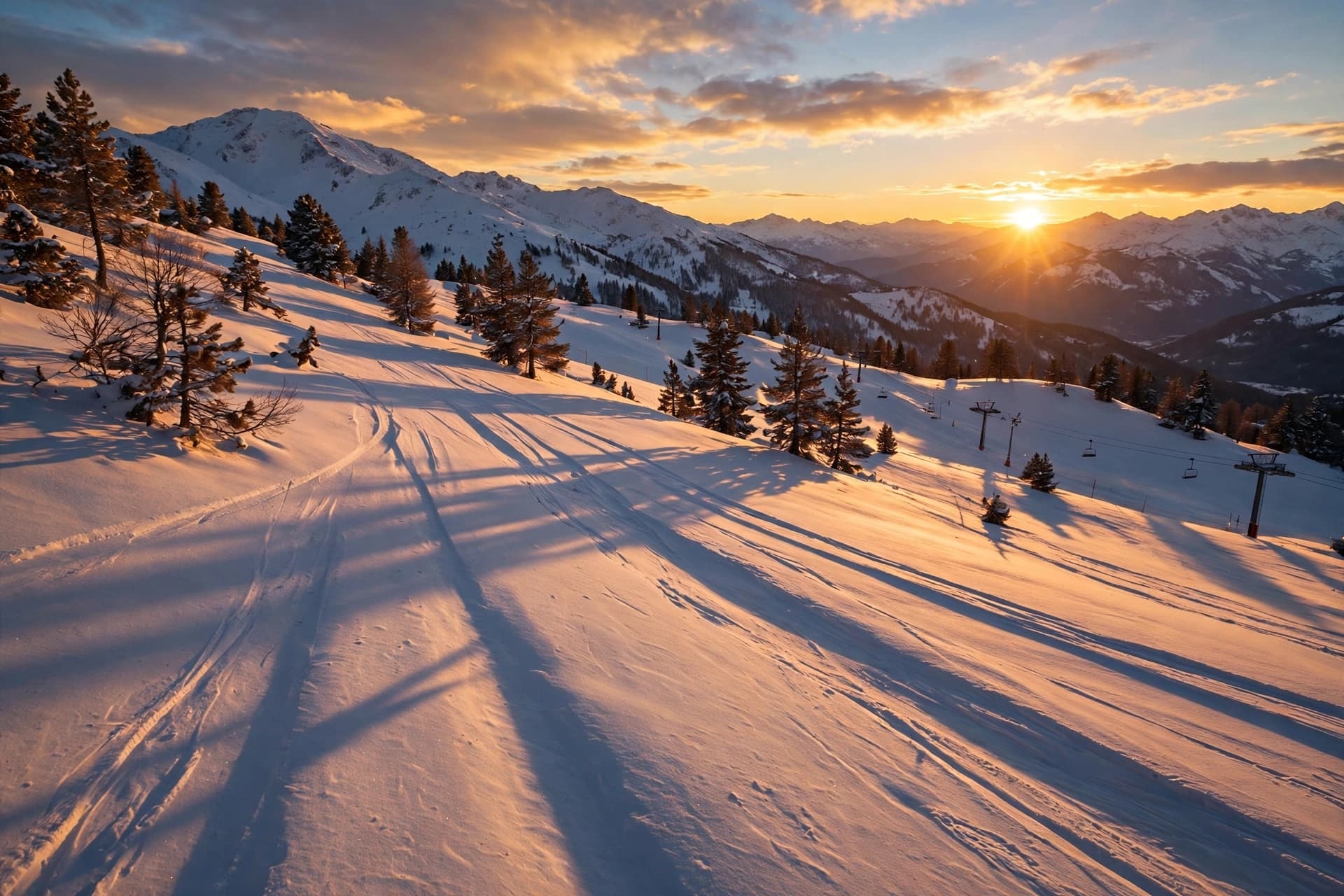
For those who cherish the crisp air of a winter morning and the long shadows of a late afternoon on the slopes, time is not merely a measurement but a companion. The rhythm of the ski season is dictated by light, and for decades, the shift of clocks has played a subtle yet significant role in this dance. Now, as legislative efforts to make Daylight Saving Time permanent gain momentum, the ski resort industry is raising a gentle but firm voice of concern. They argue that "locking the clock" could dim the economic vitality of mountain communities, turning bright afternoons into dark evenings during the peak of their season.
The proposal to abolish the biannual clock change is often framed as a boon for public health and energy conservation. Proponents suggest that permanent standard time or permanent daylight saving time would simplify lives and reduce confusion. However, for the ski industry, which relies heavily on after-work and weekend visitors, the loss of evening daylight in the winter months poses a tangible threat. Under permanent standard time, the sun would set earlier in the day, potentially reducing the window for recreational skiing after school and work hours.
Industry leaders point out that the current system, while imperfect, provides a balance that favors winter tourism. By moving clocks forward in the spring and summer, and back in the fall and winter, the alignment of daylight with human activity shifts to match seasonal behaviors. In the winter, this means more light in the afternoon, when families and enthusiasts are most likely to hit the slopes. Removing this adjustment could disrupt established patterns of travel and leisure, impacting revenue for resorts and the local businesses that depend on them.
The economic implications extend beyond ticket sales. Mountain towns thrive on the ecosystem of hospitality, from hotels and restaurants to equipment rentals and guide services. A decrease in visitor numbers due to darker afternoons could ripple through these communities, affecting jobs and livelihoods. For regions where tourism is the primary economic engine, the stakes are particularly high. The industry’s plea is not just about profit, but about the sustainability of rural economies that have adapted to the current temporal structure.
Moreover, safety is a consideration that cannot be overlooked. Skiing in diminishing light requires additional infrastructure, such as enhanced lighting on trails, which can be costly and environmentally intrusive. Natural daylight remains the preferred condition for both safety and enjoyment. By preserving the current system, lawmakers would be supporting an environment where outdoor recreation can flourish without the need for artificial interventions that alter the natural experience of the mountains.
The debate also touches on broader questions of how we measure and value time. Is efficiency the ultimate goal, or should we prioritize alignment with natural cycles and seasonal activities? The ski industry’s stance suggests that a one-size-fits-all approach to time may overlook the diverse needs of different sectors and regions. It invites legislators to consider the nuanced impacts of policy decisions on specific communities and industries.
As the conversation continues, stakeholders are encouraged to engage in dialogue that balances national consistency with local needs. The ski industry’s input offers a valuable perspective on the practical realities of living and working in seasonal environments. It reminds us that time, while universal in its passage, is experienced differently across the landscape of human activity.
The ski resort industry’s call to reject permanent Daylight Saving Time legislation highlights the complex interplay between policy and practice. It underscores the importance of considering regional economic dependencies when crafting national laws. As lawmakers deliberate, the hope is for a solution that respects both the desire for simplicity and the vibrant rhythms of seasonal life.
AI Image Disclaimer: The visual elements in this article are AI-generated illustrations depicting winter landscapes and clock imagery, not actual photographs of legislative proceedings or specific ski resorts.
Sources: National Ski Areas Association (NSAA) The Denver Post Vail Daily
Published by Banx Network. This article is part of the Banx decentralized media programme, powered by the BXE token on the XRP Ledger.