
Key Highlights
- Global Focus:Researchers are developing strategies for climate change adaptation.
- Urban Resilience:Cities are enhancing infrastructure to combat heat and flooding.
- Agricultural Innovation:New crop varieties are being studied for extreme weather resilience.
Responding to climate change is often compared to navigating unfamiliar waters. The destination may be uncertain, but preparation and adaptation can determine how successfully societies manage the journey. Around the world, researchers are increasingly focusing on practical strategies that help communities adjust to changing environmental conditions.
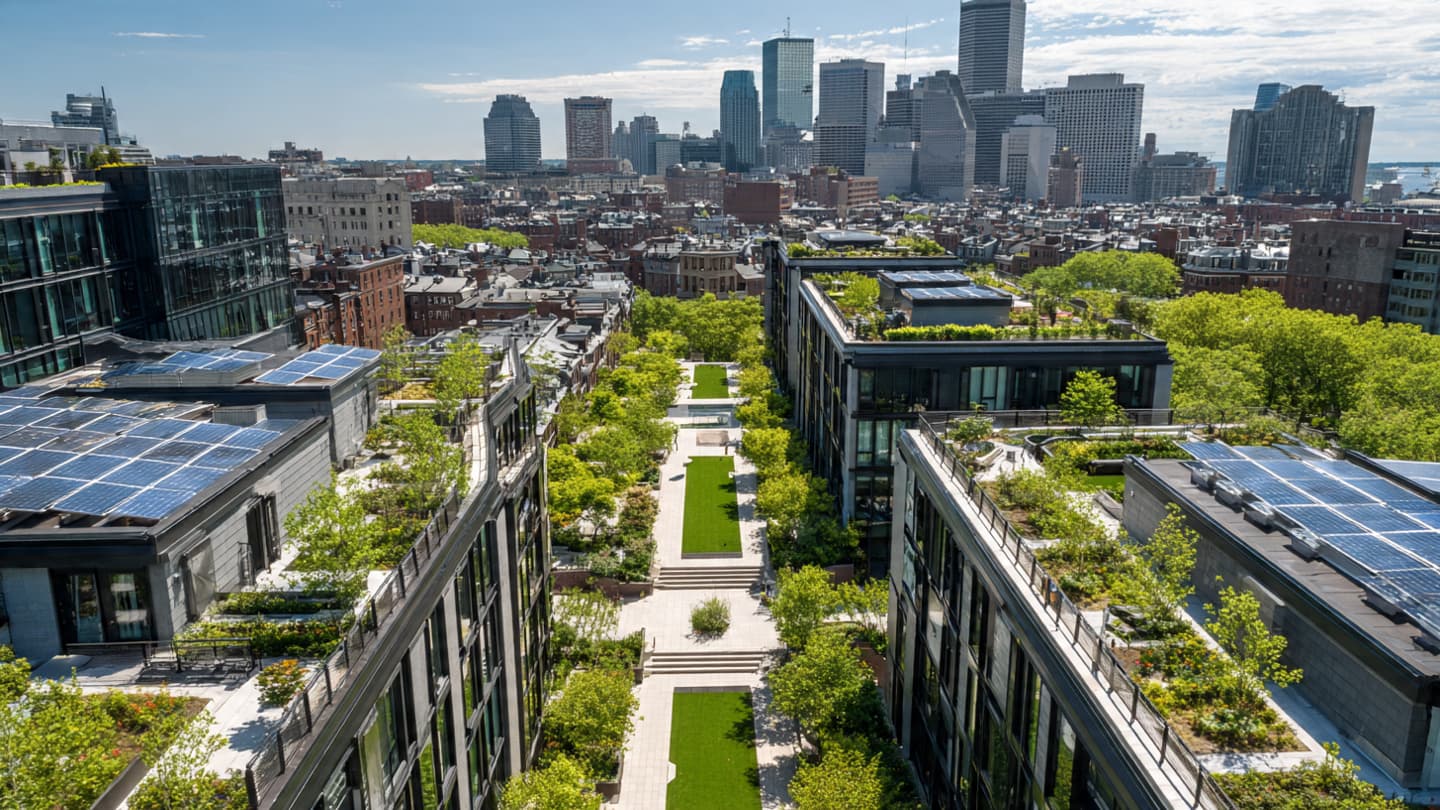
New studies and international initiatives are examining how infrastructure, technology, agriculture, and public policy can be adapted to meet the challenges associated with a warming climate. The goal is not only to reduce risks but also to strengthen resilience. For instance, cities are exploring ways to reduce heat exposure through the creation of green spaces, improved building designs, and more efficient water management systems. These urban resilience strategies are crucial as urban areas are often more vulnerable to climate impacts.
Scientists note that climate impacts vary widely from one region to another. Coastal communities may face rising sea levels, while inland areas often contend with heatwaves, drought, or shifting rainfall patterns. This regional variability necessitates tailored approaches to adaptation, ensuring that local needs and conditions are addressed effectively.
One major area of research involves improving urban resilience. Cities are exploring ways to reduce heat exposure through green spaces, improved building design, and more efficient water management systems. These initiatives not only aim to mitigate the immediate effects of climate change but also enhance the overall quality of life for residents.
Agricultural adaptation is also receiving significant attention. Researchers are studying crop varieties that can better tolerate extreme temperatures, changing precipitation patterns, and other environmental stresses. This focus on agricultural innovation is essential for food security as climate change continues to threaten traditional farming practices.
Technology plays an increasingly important role in these efforts. Artificial intelligence, remote sensing, and predictive modeling are helping decision-makers identify risks and evaluate potential responses more effectively. By leveraging these technologies, communities can make informed decisions that enhance their resilience to climate impacts.
International organizations have emphasized that adaptation complements efforts to reduce greenhouse gas emissions. While mitigation addresses long-term climate drivers, adaptation focuses on managing current and future impacts. This dual approach is vital for comprehensive climate action.
Funding remains a key consideration. Governments and development institutions continue discussing how to support communities that face the greatest climate-related vulnerabilities. Ensuring adequate financial resources for adaptation initiatives is critical to their success.
As research advances, experts stress that adaptation is not a single solution but an ongoing process. The evolving climate landscape requires continuous learning, innovation, and collaboration across sectors and borders. This collaborative approach will be essential for building a sustainable and resilient future in the face of climate change.
AI Image Disclaimer: Images used with this article are AI-generated visual interpretations intended to support editorial storytelling.
Published by Banx Network. This article is part of the Banx decentralized media programme, powered by the BXE token on the XRP Ledger.



