

Key Highlights
- Incident:Midair collision at a U.S. air show involving two fighter jets.
- Response:Pilots safely ejected and parachuted to the ground.
- Investigation:Ongoing inquiries into the cause and safety protocols.
Air shows often blend precision with spectacle, transforming the open sky into a stage where engineering and human skill converge in meticulously rehearsed patterns. Crowds gather to witness aircraft perform maneuvers that reflect decades of aviation development and pilot training. Yet, even in highly controlled environments, aviation remains shaped by risk. This week, a United States air show experienced a significant incident when two fighter jets collided midair, prompting emergency responses from event organizers and aviation authorities.
The collision occurred during an aerial performance, leading to a swift response from emergency personnel. Witnesses reported seeing the aircraft collide before the crew members ejected safely from the jets. Fortunately, both pilots parachuted to safety, and emergency responders quickly secured the area and provided assistance after their landing. Authorities later confirmed that the crews survived the incident and underwent medical evaluations following the collision.
Air shows featuring military or vintage aircraft operate under strict safety regulations, with pilots undergoing extensive preparation and coordination before performances. Despite these precautions, complex aerial maneuvers carry inherent operational dangers. Investigators are expected to examine flight paths, communications, aircraft conditions, and environmental factors to determine the cause of the collision. Such aviation accident inquiries often involve detailed technical analysis conducted over weeks or months.
Public fascination with air shows reflects an enduring cultural interest in aviation technology and military history. These events frequently attract large audiences eager to observe aircraft demonstrations, aerobatic performances, and historical aviation displays. The thrill of witnessing skilled pilots maneuvering aircraft in intricate formations captivates spectators, but incidents like this remind us of the risks involved.
Military aviation experts emphasize that pilot training includes a strong focus on emergency response procedures. Rapid decision-making becomes critical during unexpected airborne incidents, and the ability to safely eject and deploy parachutes can significantly reduce the risk of fatalities in dangerous situations. The successful ejections in this incident highlight the importance of such training.
Authorities confirmed that investigations into the collision are ongoing, with a focus on understanding the circumstances surrounding the incident. Organizers are expected to review operational procedures to enhance safety measures for future performances. As the aviation community reflects on this event, the resilience and training of the pilots serve as a testament to the importance of preparedness in the face of unforeseen challenges.
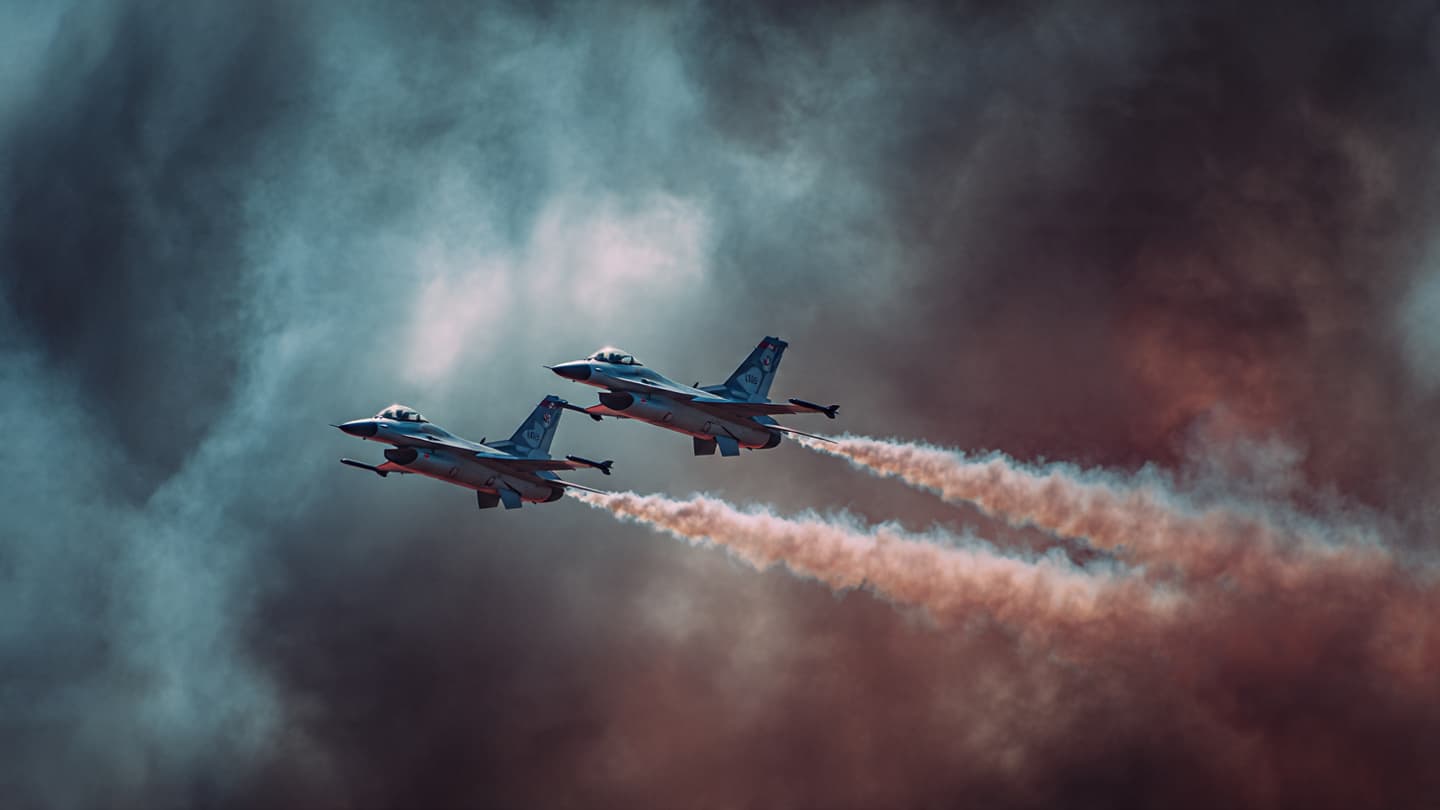
AI Image Disclaimer: Some aviation visuals associated with this article may be AI-generated recreations inspired by real air show environments and aircraft operations.
Published by Banx Network. This article is part of the Banx decentralized media programme, powered by the BXE token on the XRP Ledger.




