
Key Highlights
- Collaboration:NASA and DOE formalize partnership for lunar nuclear energy.
- Reactor Development:A fission reactor is set to operate on the Moon by 2030.
- Sustainable Power:Nuclear energy will support long-term lunar missions and exploration.
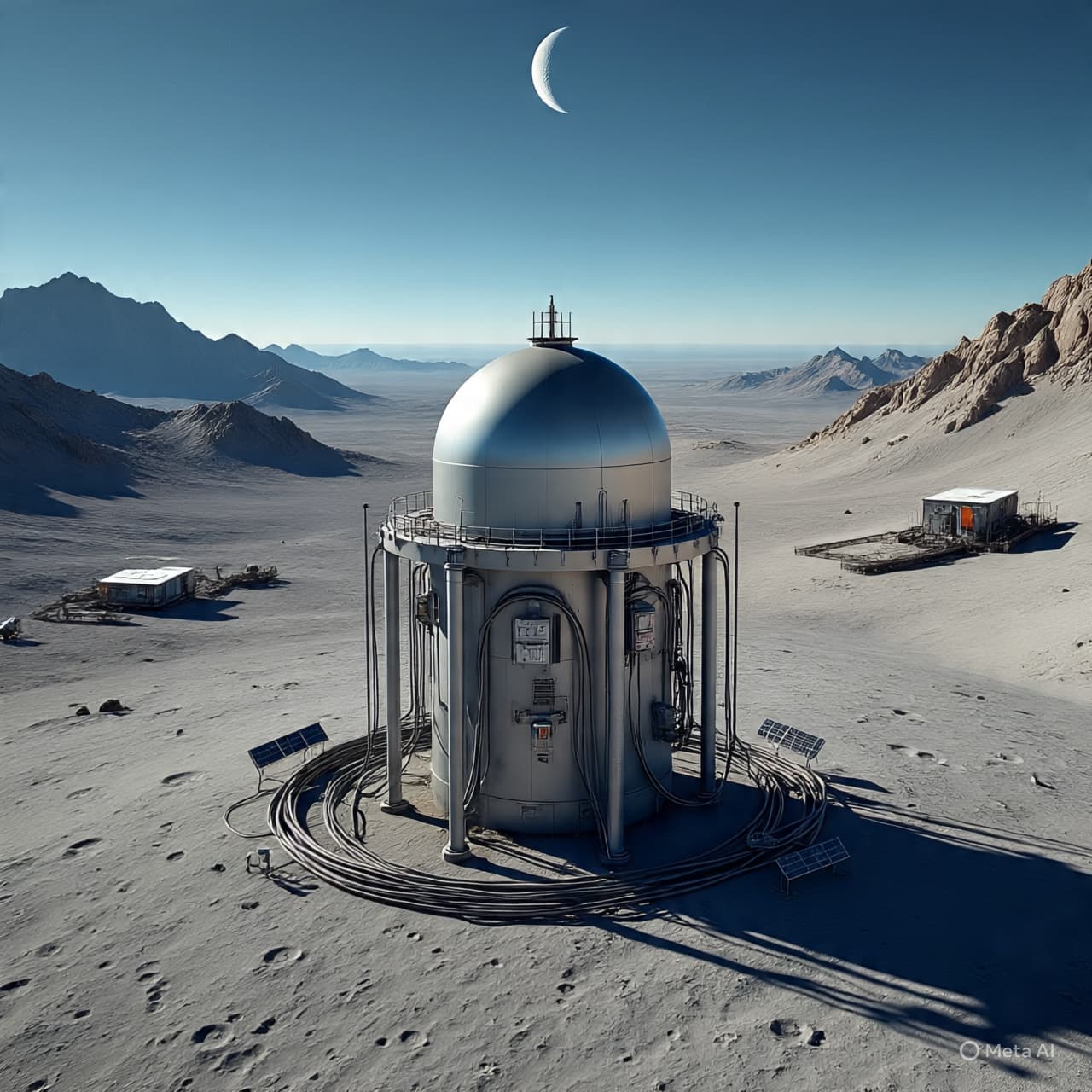
NASA and the U.S. Department of Energy (DOE) have taken a significant step towards sustainable lunar exploration by formalizing a collaboration to develop a nuclear fission reactor intended for operation on the Moon by 2030. This initiative, announced on Tuesday, marks a pivotal moment in humanity's return to lunar exploration, emphasizing the need for reliable energy sources beyond traditional solar power.
The newly signed memorandum of understanding (MOU) outlines a framework for advancing research and development of a fission surface power system. This nuclear reactor is designed to provide continuous electrical power for future lunar missions, particularly those under the Artemis program. The collaboration builds on decades of joint efforts between NASA and DOE, aligning with recent U.S. national space policy goals aimed at reinforcing American leadership in space exploration.
One of the key advantages of a nuclear reactor over solar panels is its ability to generate power regardless of the lunar day-night cycle. The Moon experiences long periods of darkness, which can hinder solar energy production. A nuclear reactor would enable year-round operations of habitats, scientific instruments, and systems for utilizing local resources. This continuous power supply is essential for establishing a sustained human presence on the Moon, especially in permanently shadowed regions where explorers aim to extract water ice and conduct extended missions.
Both NASA and DOE officials have expressed confidence that the reactor will be safe, efficient, and capable of operating for extended periods without the need for refueling. This capability not only lays the groundwork for permanent lunar bases but also supports future crewed missions to Mars. The collaboration is seen as a continuation of America's legacy in science and innovation, linking the achievements of the Apollo program with the ambitious goals of modern space exploration.
However, achieving a functional lunar nuclear reactor by 2030 presents significant challenges. The project will require advancements in technology, as well as careful consideration of safety protocols, engineering hurdles, and regulatory approvals necessary for deploying nuclear systems beyond Earth. As this decade progresses, the project will attract attention from scientists, policymakers, and space enthusiasts, symbolizing humanity's expanding footprint beyond our planet.
The collaboration between NASA and DOE represents a bold step towards harnessing nuclear energy for space exploration, potentially transforming how humanity approaches long-term missions on the Moon and beyond. As the agencies work towards their ambitious timeline, the implications of this project could redefine the future of energy in space.
Published by Banx Network. This article is part of the Banx decentralized media programme, powered by the BXE token on the XRP Ledger.



