
Key Highlights
- France is leading international efforts to expand renewable energy access.
- Renewable technologies like solar and wind are crucial for sustainable development.
- International partnerships are essential for mobilizing resources and expertise.
[France's Commitment to Renewable Energy]
Energy has long been a cornerstone of societal progress, underpinning the infrastructure of homes, schools, hospitals, and businesses. However, many communities worldwide still face significant barriers to reliable energy access. In response to this pressing challenge, France has taken a proactive stance by supporting international programs aimed at expanding renewable energy access and developing sustainable infrastructure.
Renewable energy technologies, including solar, wind, and hydroelectric power, have gained prominence in global development discussions. These sustainable sources not only enhance energy availability but also align with environmental objectives. Recent technological advancements have led to reduced costs and improved accessibility, making renewable energy a viable option for many regions.
France emphasizes the importance of international cooperation in accelerating the deployment of renewable energy projects. By fostering partnerships among governments, development agencies, financial institutions, and private-sector organizations, France aims to mobilize the necessary resources and expertise to implement impactful energy projects. Such collaborations are vital for overcoming the challenges associated with energy access, particularly in underserved areas.
Access to reliable electricity can transform communities. Improved learning environments in schools, enhanced operational capabilities in healthcare facilities, and increased productivity in businesses are just a few of the benefits that arise from reliable energy access. These advantages often ripple through entire communities, contributing to broader economic development and improved quality of life.
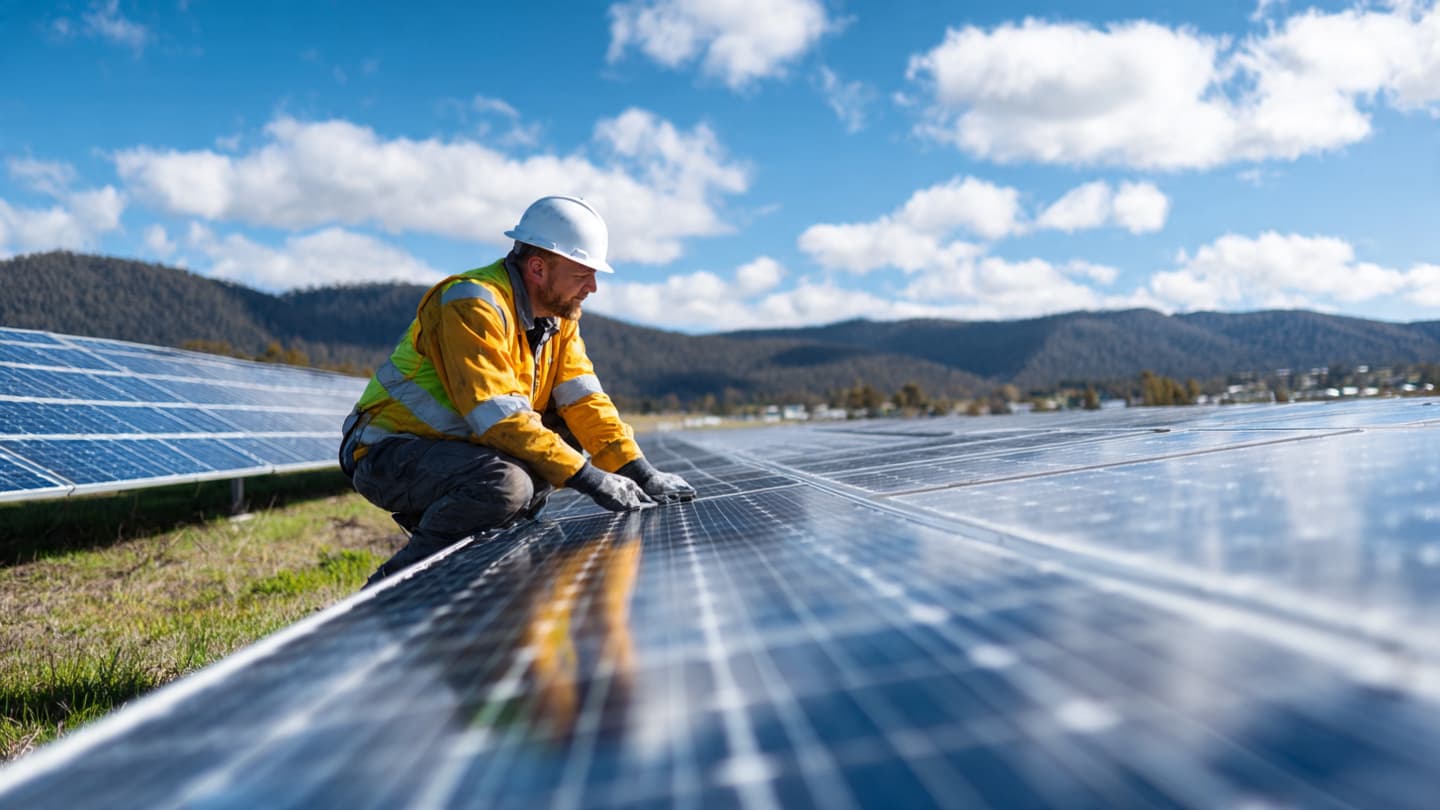
Renewable energy projects are especially relevant in regions where traditional infrastructure is lacking. Decentralized systems, such as solar-powered installations, provide practical solutions for communities that are far removed from major power networks. This approach not only addresses immediate energy needs but also fosters long-term sustainability.
Environmental considerations are integral to the expansion of renewable energy capacity. By investing in clean energy, countries can reduce emissions and promote sustainable growth. Many nations view these investments as part of a broader strategy to balance development with environmental responsibility, recognizing the interconnectedness of energy access and ecological health.
International financial support plays a crucial role in enabling large-scale renewable energy projects. Funding mechanisms, technical assistance, and investment partnerships can help lower barriers to implementation in areas where resources are scarce. France’s commitment to supporting these initiatives aligns with global efforts to enhance energy access and sustainability.
Experts highlight that energy transitions require both innovation and patience. Infrastructure projects often take years to complete, and ongoing technological advancements continue to reshape the landscape of energy possibilities. A sustained commitment from all stakeholders is essential for achieving meaningful progress in this vital sector.
As France champions expanded renewable energy initiatives, it reflects a broader vision of development that harmonizes opportunity with sustainability. Reliable energy not only illuminates homes and powers industries but also paves the way for greater resilience and prosperity. Through cooperation and investment, these pathways continue to expand across the globe, fostering a brighter future for all.
Published by Banx Network. This article is part of the Banx decentralized media programme, powered by the BXE token on the XRP Ledger.



