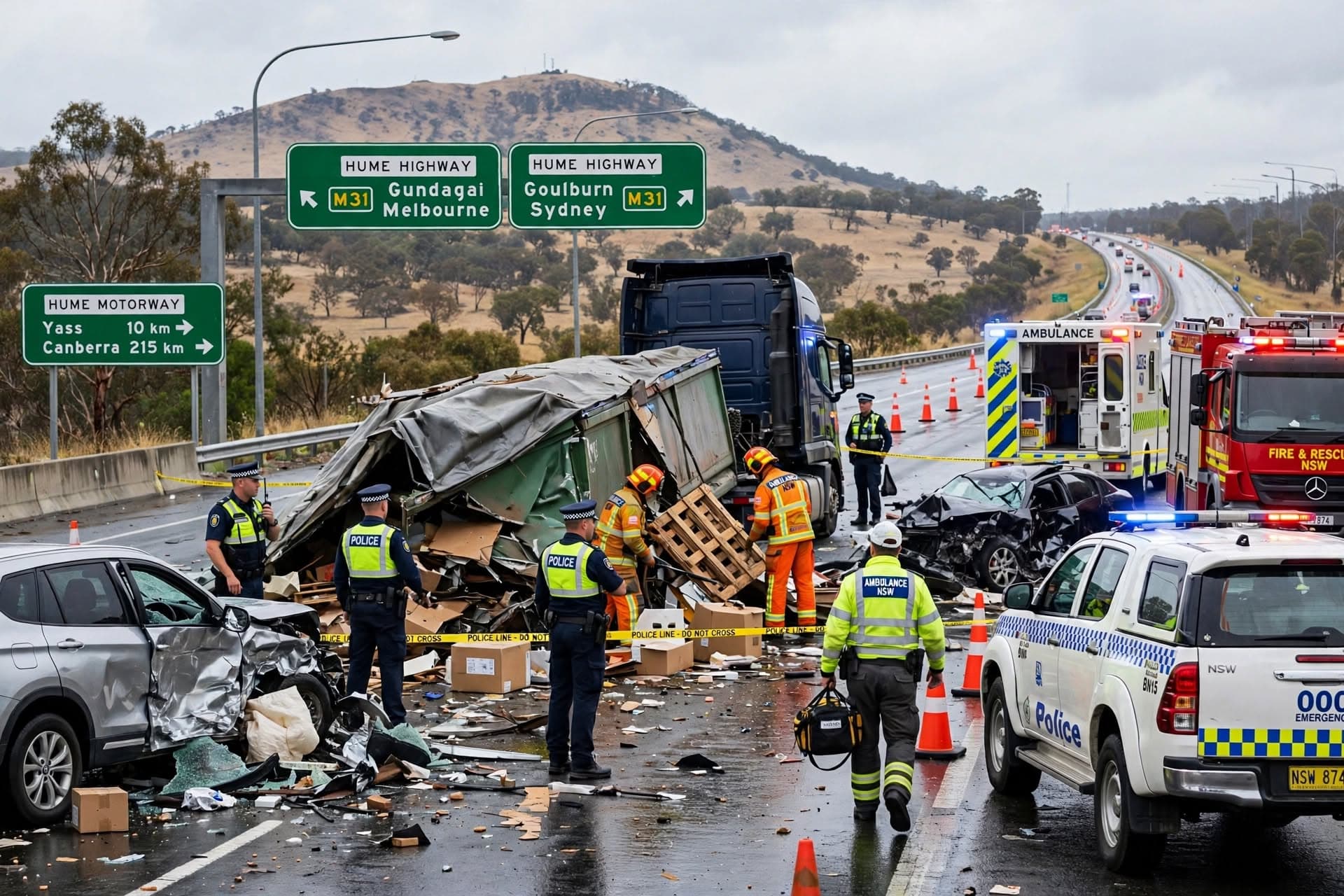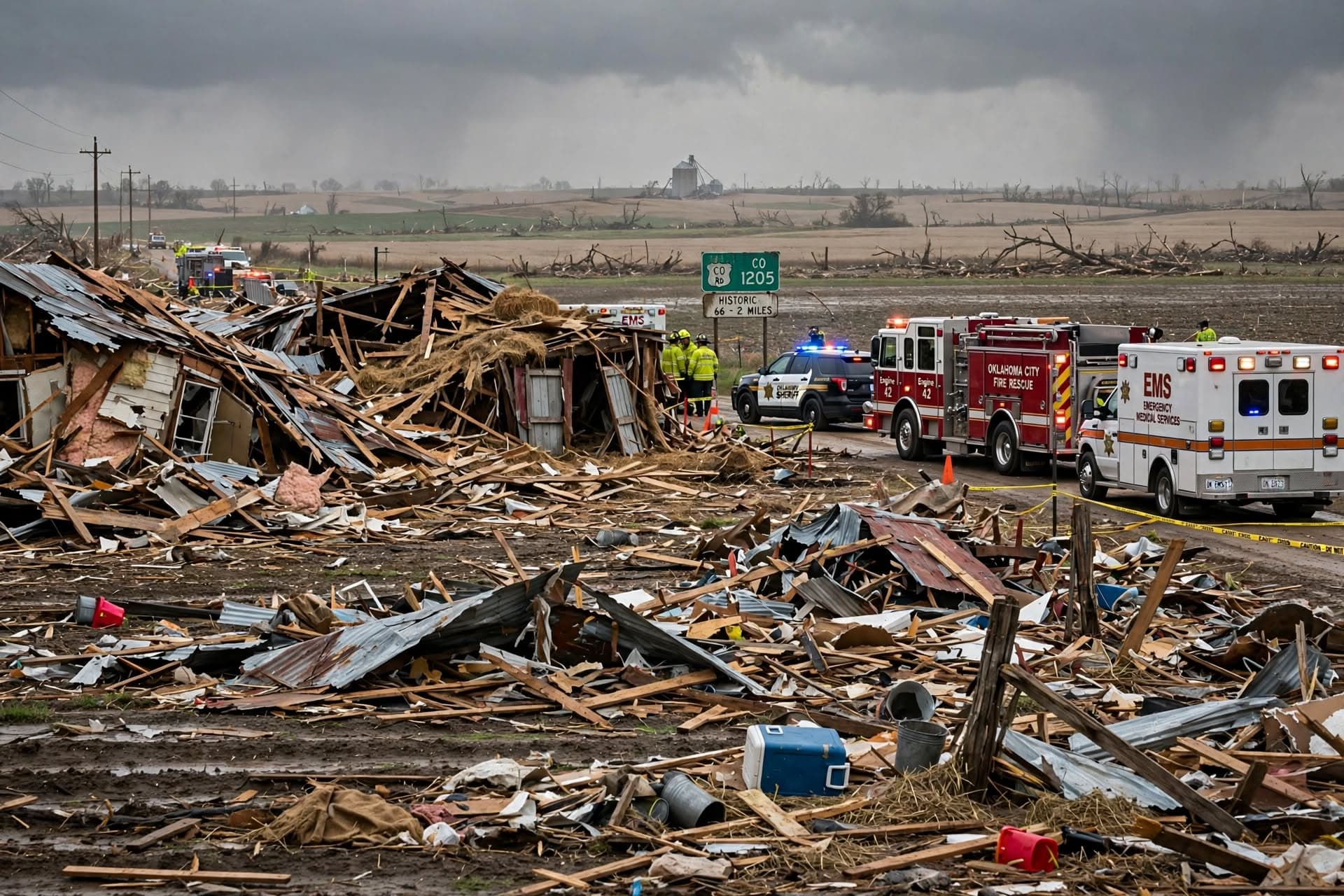
Barnsdall, United States— It dropped without a siren at first. At 6:42 p.m. on October 29, 2026, a tornado-warned supercell tore through a rural district straddling northeastern Oklahoma and southern Missouri, destroying hundreds of structures, flipping vehicles, and cutting power to thousands. The National Weather Service logged debris lofted to 25,000 feet and issued a tornado emergency for Blytheville, Arkansas, as the same system marched east.
In Barnsdall, a town of 1,000 north of Tulsa, the twister ripped roofs off frame houses, toppled power poles, and threw barns into fields. Osage County Sheriff Eddie Virden said no fatalities were confirmed by 11 p.m., but damage was extensive. In Pilot Grove, Missouri, several structures were damaged, cars were flipped, and trees were snapped mid-trunk. Farther east, Bertie County, North Carolina, a rural area, saw between 50 and 70 homes destroyed.
CNN affiliates reported the Storm Prediction Center received over 230 tornado reports across the region during the three-day outbreak. That included three confirmed EF-1 tornadoes in Arizona — Heber-Overgaard, south of Prescott on Spruce Mountain, and Wing Mountain northwest of Flagstaff — each with winds 105 to 110 mph, 600 yards wide, traveling over two miles in six minutes.
"We had maybe 30 seconds between the roar and the hit," said a farmer near Hampton, Minnesota, where a tornado-warned storm tore a roof open on October 29. Large hail followed. Power lines fell. In southeast Minnesota, homes were pelted. In Missouri, the governor reported at least 12 dead in the broader weekend system that killed at least 39 nationwide, according to AP.
The friction was in warning and response. Rural counties have fewer sirens. Cell service is spotty. In some districts, people heard the emergency alert after the wind hit. The NWS said it had issued warnings 18 minutes ahead for Barnsdall, but many residents were in metal outbuildings that offered no shelter. Volunteer fire departments were first on scene, not federal teams.
In Blytheville, meteorologist Chelly Amin said debris was detected on radar at extreme heights, indicating violent motion. That triggered the rare tornado emergency wording, which urges immediate shelter. The warning worked in town, but farmsteads outside town had no basements. The county emergency manager said the damage path was at least a quarter-mile wide.
By October 30, 2026, utility crews were still restringing lines. The Red Cross opened two shelters in Osage County and one in Bertie County. More than 50 people were taken to hospitals in Greenville, North Carolina. The Storm Prediction Center warned more severe weather could follow late Saturday into Sunday, with risk stretching from eastern Louisiana through the Florida Panhandle.
The count was still rising. Structures were tagged for inspection. Power was not expected back in some rural roads until late October 30.
Published by Banx Network. This article is part of the Banx decentralized media programme, powered by the BXE token on the XRP Ledger.