In the intricate architecture of British governance, power has long been concentrated in the halls of Westminster, radiating outward to the regions in carefully measured doses. But a significant shift is underway as Prime Minister Andy Burnham prepares to hand regional mayors a share of the income tax generated within their own borders. This move, described by supporters as a liberation from the "Treasury death grip," promises to reshape the relationship between central and local government. It is a bold step toward devolution, offering city leaders the financial autonomy to tailor solutions to their unique communities. The announcement marks a new chapter in the ongoing debate about how best to govern a nation as diverse as the United Kingdom.
The proposal, set to take effect from 2028, will allow mayors of city regions in England to retain a portion of the income tax revenue collected locally. For decades, these funds have flowed directly to the central government, leaving local leaders dependent on grants and allocations determined in London. By keeping a share of the taxes generated by their residents, mayors will gain greater control over spending priorities, from transport and housing to education and social care. This fiscal decentralization is seen as a key driver of economic growth and regional equity.
Prime Minister Burnham has framed the initiative as part of a broader drive to "take power back" to the people. He argues that local leaders are better positioned to understand the specific needs of their communities and can act more swiftly than distant bureaucrats. The freedom to allocate resources according to local priorities is expected to foster innovation and efficiency, allowing cities to compete more effectively on the global stage. It is a vision of governance that trusts local democracy to deliver results.
However, the transition is not without its challenges. Critics worry that varying tax rates or spending decisions could lead to inequalities between richer and poorer regions. There are concerns that wealthier areas might thrive while struggling communities fall further behind without robust equalization mechanisms. The government has promised safeguards to ensure fairness, but the details of implementation will be crucial in determining the success of the policy.
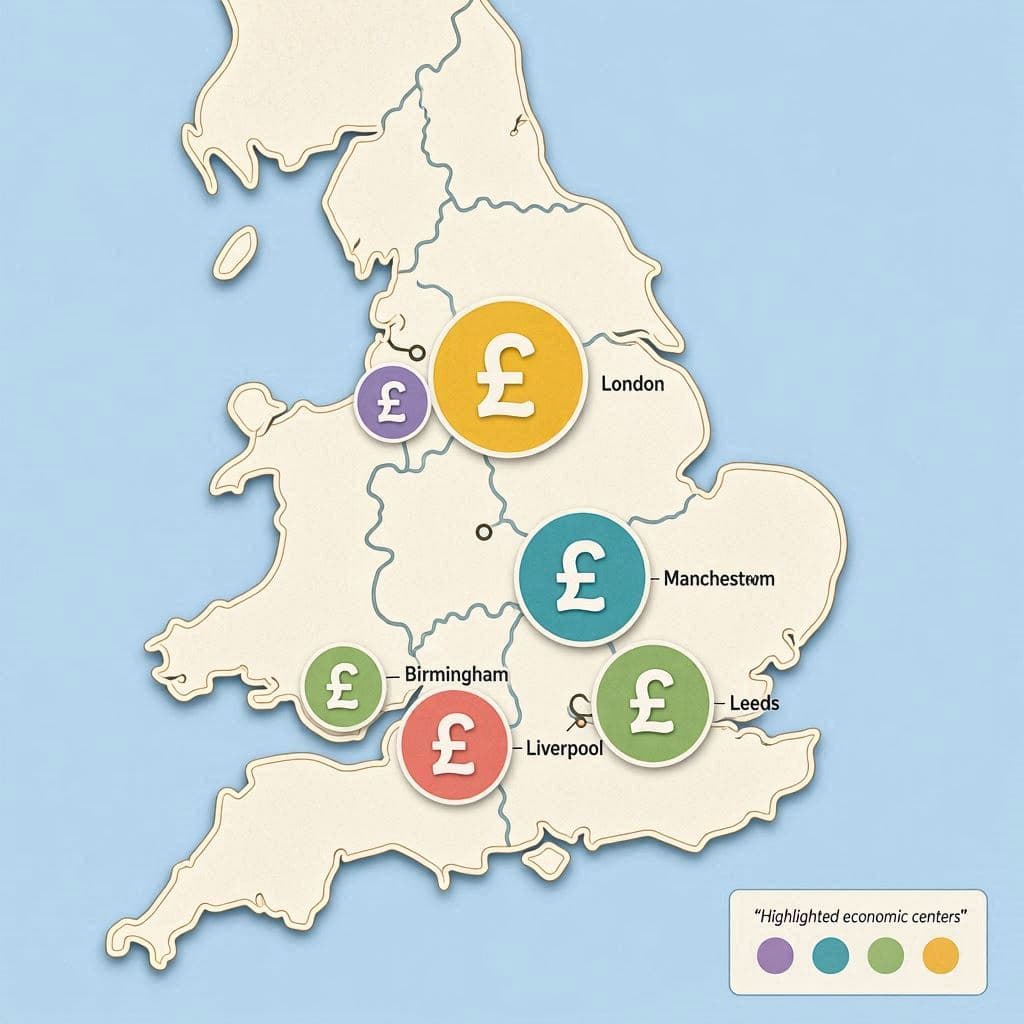
Mayors across England have reacted with cautious optimism. Many have long campaigned for greater fiscal powers, arguing that the current system stifles local ambition. The promise of income tax sharing is seen as a significant victory for the devolution movement. Leaders in cities like Manchester, Birmingham, and Leeds are already beginning to plan how they might use these new resources to address longstanding issues such as infrastructure deficits and skills gaps.
The business community has also weighed in, with many welcoming the potential for more stable and predictable local funding. Increased investment in local services and infrastructure can boost productivity and attract talent. However, some employers express concern about the administrative burden of dealing with multiple regional authorities. Clarity and consistency in policy application will be essential to maintain confidence and encourage investment.
Political reactions have been mixed, with opposition parties scrutinizing the details of the plan. Some argue that the move does not go far enough, calling for even deeper devolution of powers. Others question the timing and feasibility of implementing such a complex change. The debate highlights the enduring tension between central control and local autonomy, a theme that has defined British politics for centuries.
As the UK prepares for this significant shift in fiscal policy, the eyes of the nation are on the regional mayors. Their ability to harness these new powers will determine whether devolution delivers on its promise of a more balanced and prosperous country. For now, the journey toward local empowerment has taken a decisive step forward.
AI Image Disclaimer: The visuals accompanying this article are AI-generated illustrations designed to represent the themes of political devolution and regional governance.
Sources: The Guardian, Reuters, Bloomberg, The Independent
Published by Banx Network. This article is part of the Banx decentralized media programme, powered by the BXE token on the XRP Ledger.