
Key Highlights
- Incumbency Abuse:A persistent threat to democracy in Africa.
- Electoral Patterns:Familiar tactics used by incumbents to maintain power.
- Reform Efforts:Initiatives aimed at leveling the electoral playing field.
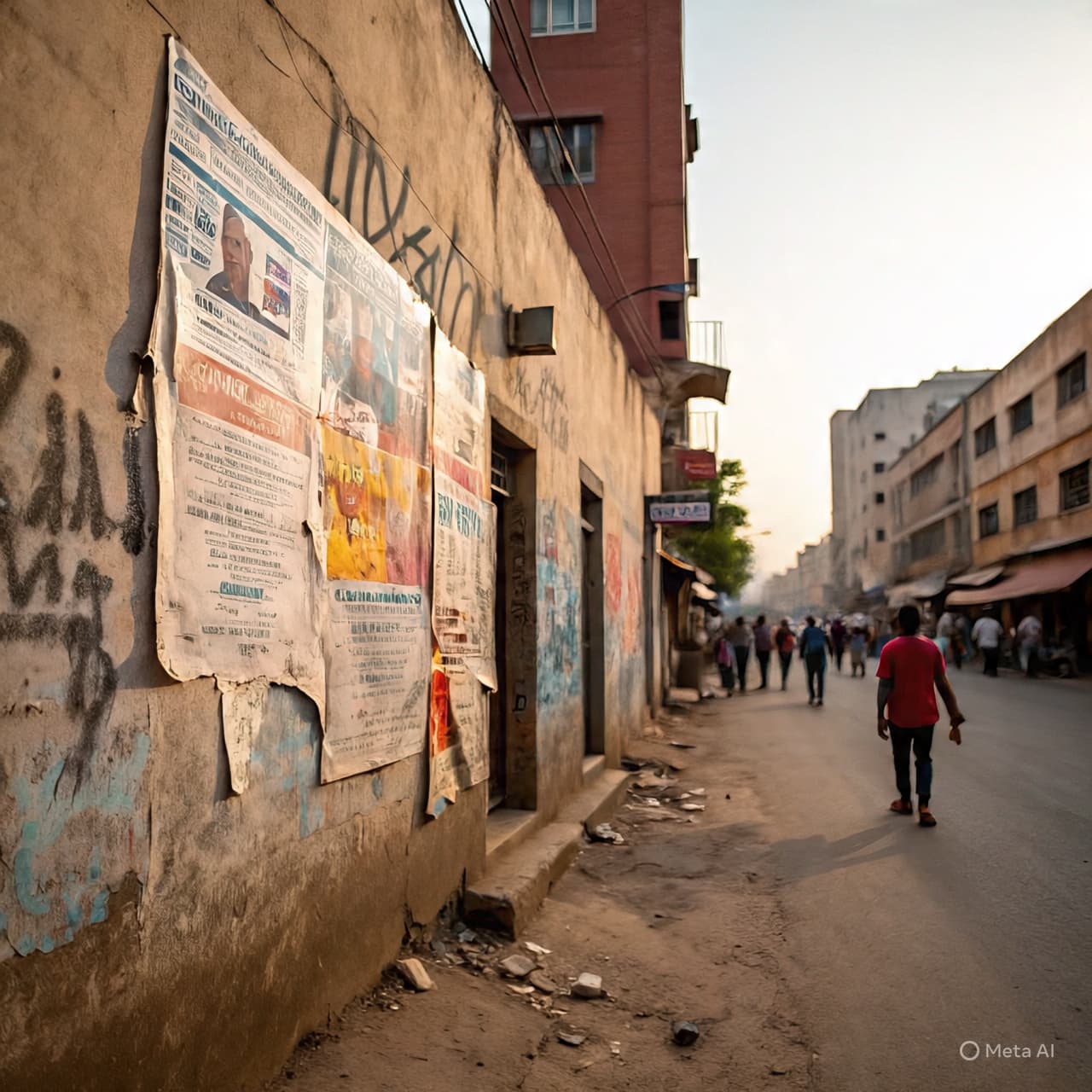
Morning arrives unevenly across Africa’s capitals. In some places, it breaks with the hum of traffic and radio debates; in others, with the slow unfolding of markets beneath faded campaign posters that never quite come down. Power, like weather, settles into routines. And routines, when left unexamined, can begin to shape outcomes before a single vote is cast.
This quiet shaping is identified by political analysts as one of the most persistent threats to the continent’s democratic life: the abuse of incumbency. This concern, while not new, has gained sharper definition as elections multiply across the region. Incumbents often carry into campaign season the full weight of the state—access to public funds, command of media attention, influence over security forces, and the subtle authority that comes with office itself. None of these advantages announce themselves loudly; they simply tilt the ground in favor of those already in power.
Across recent electoral cycles, observers have noted patterns that repeat with weary familiarity. State vehicles appear at rallies, public broadcasters blur the line between governance and campaigning, and administrative decisions arrive with electoral timing that feels less than coincidental. Opposition parties, meanwhile, navigate through narrower corridors—limited resources, restricted permits, and a constant negotiation with rules enforced unevenly. This creates an environment where the electoral process is skewed from the outset.
The warning about incumbency does not rest on dramatic claims of stolen ballots or overturned counts. Instead, it lingers in the spaces before election day, where fairness is decided long before polling stations open. When incumbency becomes a shield rather than a responsibility, competition turns symbolic, and participation begins to feel ceremonial rather than consequential. This erosion of genuine democratic engagement can lead to voter apathy, as citizens sense an imbalance that discourages their participation.
The implications ripple outward. Voters, sensing imbalance, may disengage or resign themselves to outcomes that feel prewritten. Institutions, asked to referee contests while reporting to sitting leaders, strain under conflicting loyalties. Even peaceful elections can leave behind a residue of doubt, a question hanging in the air about whether choice was ever fully present. This atmosphere of uncertainty can undermine the legitimacy of electoral outcomes and the trust citizens place in their democratic institutions.
Yet the picture is not uniform across the continent. Reforms have emerged—term limits defended by courts, electoral commissions strengthened, and civic groups trained to observe and document electoral processes. These efforts suggest an understanding that democracy is not only about replacing leaders but about leveling the field on which replacement becomes possible. Such reforms are crucial in ensuring that elections are not merely a formality but a genuine reflection of the will of the people.
As another season of elections approaches in various corners of the continent, the observation about incumbency reads less like an accusation than a reminder. Democracy rarely collapses all at once. More often, it thins gradually, worn down by advantages that accumulate quietly in familiar hands. The challenge remains for citizens and civil society to remain vigilant and advocate for fair practices that uphold the integrity of democratic processes.
In the end, the greatest test may not be how leaders win, but how they govern the space between campaigns—whether power is held lightly or allowed to settle so deeply into office that it reshapes the very meaning of choice. The future of democracy in Africa hinges on this delicate balance, and the commitment to uphold democratic principles must be a collective effort.
Published by Banx Network. This article is part of the Banx decentralized media programme, powered by the BXE token on the XRP Ledger.



