
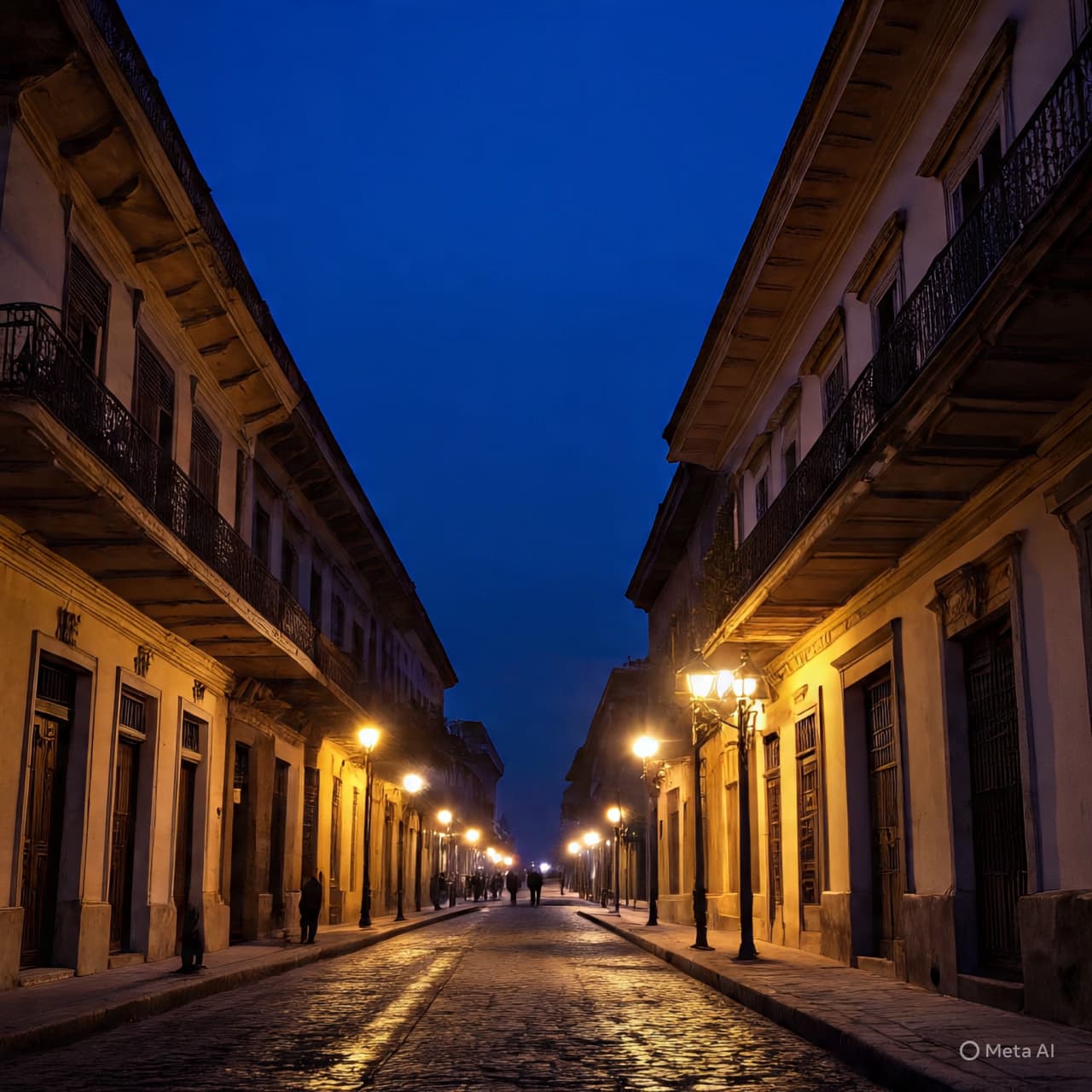
Key Highlights
- Duration:Cuba experienced a 29-hour blackout affecting large parts of the island.
- Impact:The blackout disrupted daily life, affecting homes, traffic, and communication.
- Recovery:Power restoration was gradual, highlighting ongoing energy system challenges.
The recent blackout in Cuba, lasting an unprecedented 29 hours, has drawn attention to the vulnerabilities of the island's energy infrastructure. As darkness enveloped homes and streets, the absence of electricity transformed the usual rhythm of life into a disorienting stillness. Refrigerators ceased their hum, traffic signals dimmed, and the familiar sounds of daily activities faded into an unsettling quiet.
When power was finally restored, it did so in stages, with lights flickering back on and systems gradually coming to life. This return of electricity marked the end of a significant interruption, yet it underscored the ongoing challenges facing Cuba's energy sector. Officials have attributed the blackout to a combination of limited fuel availability and the long-standing effects of the U.S. embargo, which has restricted access to essential resources, including oil.
The implications of this blackout extend beyond mere inconvenience. Blackouts in Cuba are not a new phenomenon, but the scale and duration of this recent outage have highlighted the fragility of the national grid. Power generation heavily relies on imported fuel, and as supply chains tighten, the stability of the system becomes increasingly precarious. What might have been a minor disruption in the past can escalate into a major crisis, affecting millions.
For the residents of Cuba, the experience of a blackout is both immediate and cumulative. While a single outage may be seen as a temporary inconvenience, repeated blackouts become a part of the fabric of daily life. The absence of electricity complicates even the simplest tasks—keeping food fresh, charging devices, and maintaining communication with loved ones. This ongoing uncertainty carries an emotional weight, as citizens navigate a reality where power is not guaranteed.
As power returned across the island, there was a palpable sense of relief among residents. However, this relief was tempered by the awareness that the underlying issues affecting the energy system remain unresolved. Recovery from such outages is not merely a matter of restoring power; it involves addressing the systemic challenges that lead to these disruptions in the first place.
The situation in Cuba serves as a microcosm of broader global issues related to energy policy and infrastructure resilience. Energy systems do not operate in isolation; they are influenced by economic factors, international relations, and domestic policies. When these elements come under strain, the consequences are felt not just in statistics but in the daily lives of citizens.
As Cuba's grid stabilizes and life returns to a semblance of normalcy, the memory of the blackout lingers. It serves as a reminder of the delicate balance that exists within the energy sector and the ongoing challenges that must be addressed to ensure a reliable power supply. Each return of light is accompanied by a lingering question: how long will this stability last before the next disruption occurs?
Published by Banx Network. This article is part of the Banx decentralized media programme, powered by the BXE token on the XRP Ledger.



