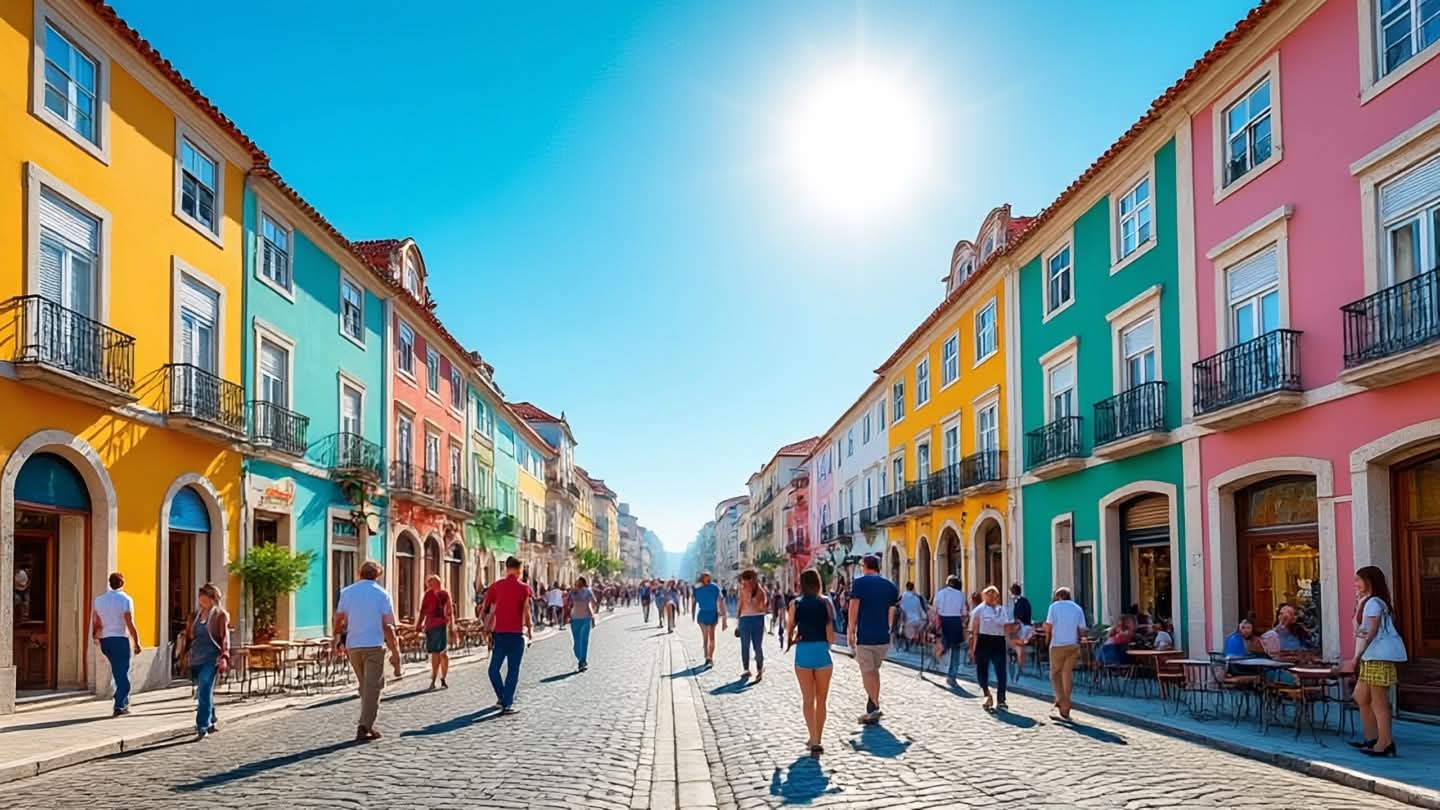
In the sun-drenched streets of Portugal, where history and modernity blend seamlessly, a new law has come into effect prohibiting the wearing of face coverings in public spaces. Often referred to as the "burqa law," this legislation aims to enhance security and promote social integration by ensuring that faces are visible in public areas. The move aligns Portugal with several other European nations that have implemented similar restrictions, sparking debates about liberty, security, and cultural identity.
The law bans any clothing or accessory that completely hides the face, including balaclavas, helmets, and religious veils such as the burqa and niqab. Exceptions are made for medical reasons, professional requirements, and traditional festivals, ensuring that the rule is applied with practical flexibility. For authorities, the primary goal is to prevent anonymity in public spaces, which they argue can facilitate criminal activity and hinder social interaction.
For the Muslim community in Portugal, the law raises concerns about religious freedom and inclusion. While the number of women wearing full-face veils is small, the symbolic impact of the ban is significant. Critics argue that it targets a specific religious minority and may foster feelings of alienation rather than integration. They emphasize that true social cohesion comes from dialogue and understanding, not from legislative prohibitions.
Supporters of the law, however, view it as a necessary measure for public safety and gender equality. They argue that face coverings can be used to conceal identity in illegal activities and that banning them promotes transparency and trust in society. Some also contend that the veil is a symbol of oppression, and prohibiting it helps protect women’s rights. These perspectives highlight the complex interplay between security, liberty, and cultural values.
The implementation of the law involves fines for those who violate the ban, though enforcement is expected to be gradual and educational. Police officers have been trained to approach situations with sensitivity, prioritizing explanation over punishment. The goal is to ensure compliance through awareness rather than coercion, fostering a respectful environment where the law is understood and accepted.
Internationally, Portugal’s decision reflects a broader trend in Europe toward regulating religious attire in public spaces. Countries like France, Belgium, and Denmark have enacted similar laws, each with its own legal and social context. The debate continues across the continent, balancing secular principles with religious rights. Portugal’s entry into this group adds its voice to the ongoing discussion about the role of religion in public life.
For tourists and visitors, the law means being mindful of local regulations regarding face coverings. While it primarily affects residents, it serves as a reminder of the cultural and legal norms that define Portuguese society. Understanding these rules helps ensure a smooth and respectful experience for all who visit the country. It is part of the broader effort to maintain order and harmony in public spaces.
In the end, the prohibition of face coverings in Portugal is a statement of values. It prioritizes visibility and security, while challenging communities to find new ways to express identity and faith. For the nation, it is a step toward a specific vision of social integration. The hope is that it leads to greater mutual understanding and respect, even as it navigates the delicate balance between individual rights and collective safety.
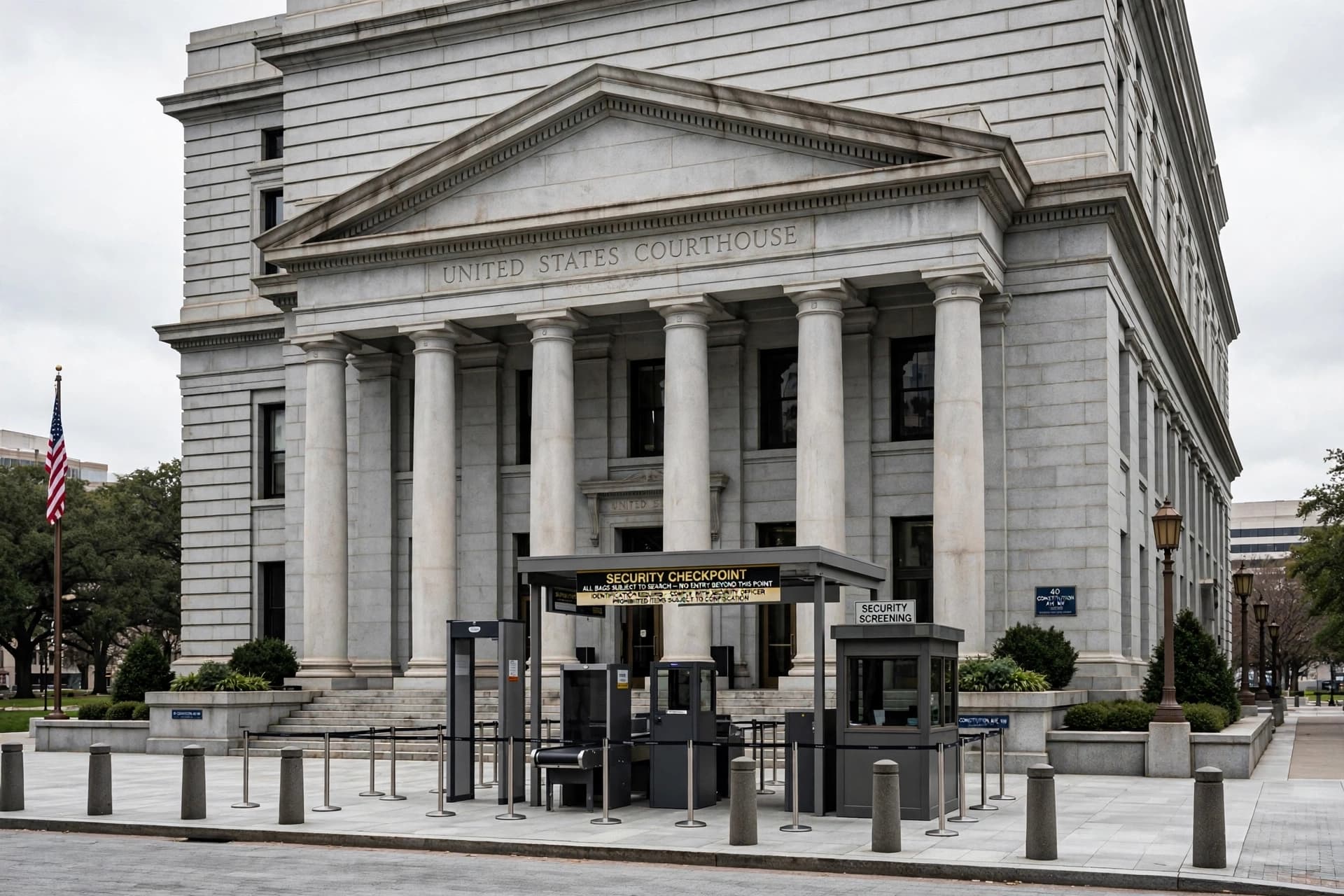
AI Image Disclaimer: Images accompanying this report are AI-generated artistic interpretations of Portuguese streets and abstract symbols of law and society, intended to visualize the context of the legislation without depicting real individuals wearing religious attire or specific enforcement actions.
Sources: Euronews, The Guardian, BBC News, Politico Europe
Published by Banx Network. This article is part of the Banx decentralized media programme, powered by the BXE token on the XRP Ledger.