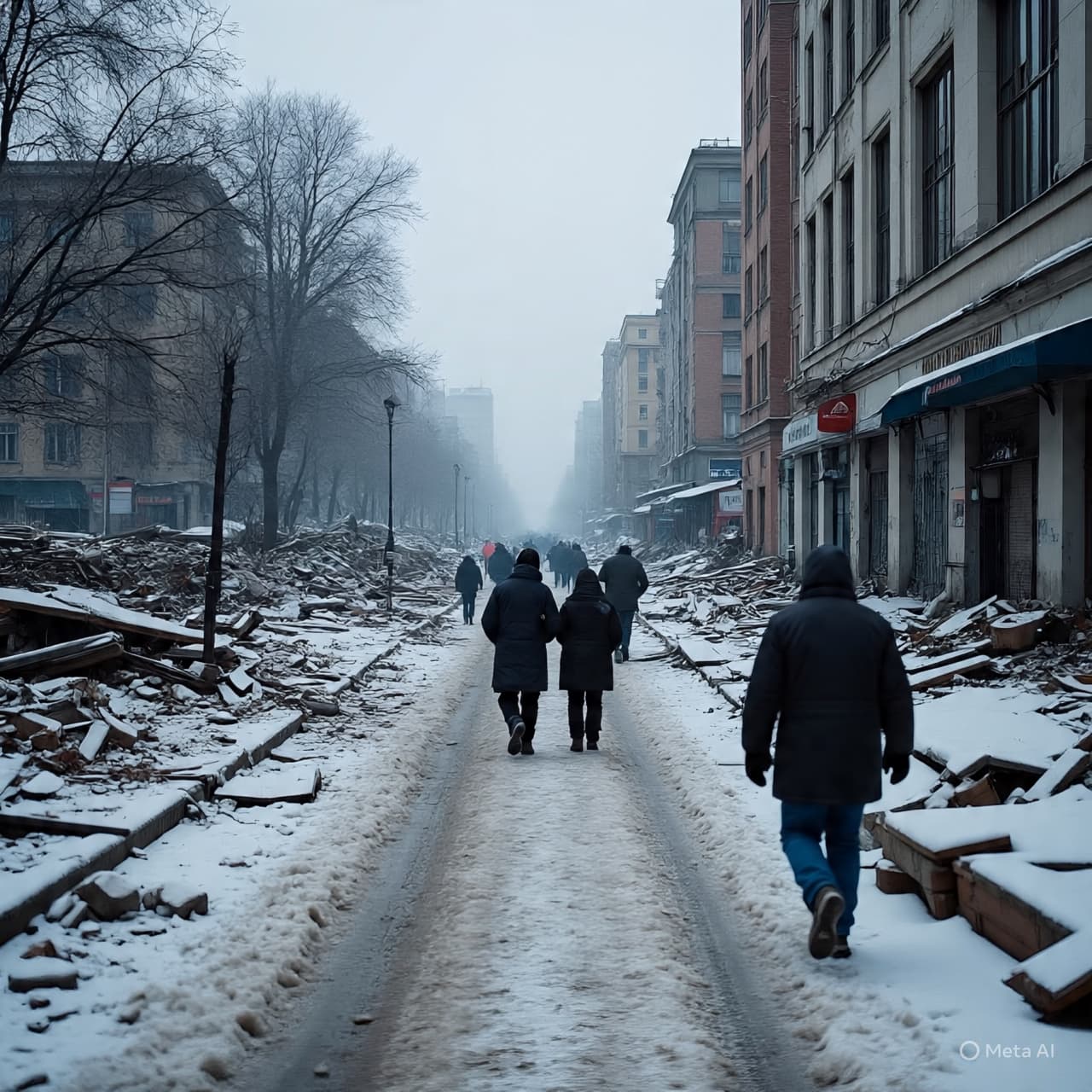
Day 1,410 of a war that has reshaped the lives of millions unfolds with the quiet weight of a winter dawn. Cities bear the scars of repeated strikes, yet life, in its stubborn persistence, threads through the rubble. From the streets of Kharkiv to the port city of Odesa, communities navigate the delicate balance between survival and the slow march of normalcy. Across the border, in Russian regions of Belgorod and Kursk, the echoes of conflict ripple outward, reminding us that the threads of war stretch far beyond immediate battlefields. In this landscape, each missile, each drone strike, is both a rupture and a signal, shaping perceptions, influencing futures, and leaving the human heart to ponder endurance and consequence.
In Kharkiv, a residential building bore the brunt of a Russian missile attack, leaving at least four dead and deepening the sense of vulnerability in urban centers long accustomed to disruption. Odesa, a Black Sea lifeline, saw drones damage homes and injure children, casting shadows over its bustling ports and reminding the world that civilian spaces remain inextricably entwined with the machinery of war.
Beyond immediate casualties, the conflict’s symbolism resonates profoundly. The reopening of Mariupol’s theater—targeted years earlier in a deadly strike—has reignited memories of loss while signaling the persistent presence of political narratives shaping both sides. Meanwhile, Russia’s continued strikes on grain ships and port infrastructure underline the war’s reach, affecting not only local livelihoods but global food security. The delicate dance of retaliation and deterrence plays out across seas, skies, and borders, each move meticulously observed by the international community.
Even as Ukrainian forces confront Russian advances, the war’s footprint spills across the frontier, with drone attacks in Belgorod and Kursk claiming civilian lives. These events illustrate a conflict that refuses to be confined, reminding observers that the consequences of war often stretch far beyond the immediate theatre of combat. Amidst this, the perseverance of communities and responders offers a quiet counterpoint to destruction, demonstrating resilience alongside tragedy.
On Day 1,410, the Russia‑Ukraine conflict remains marked by persistent military engagements, civilian casualties, and strategic attacks on critical infrastructure. Cross‑border violence and port strikes complicate the humanitarian and economic landscape, while symbolic acts like the reopening of Mariupol’s theater highlight the enduring political and cultural stakes. International monitoring continues, though the path to resolution remains uncertain.
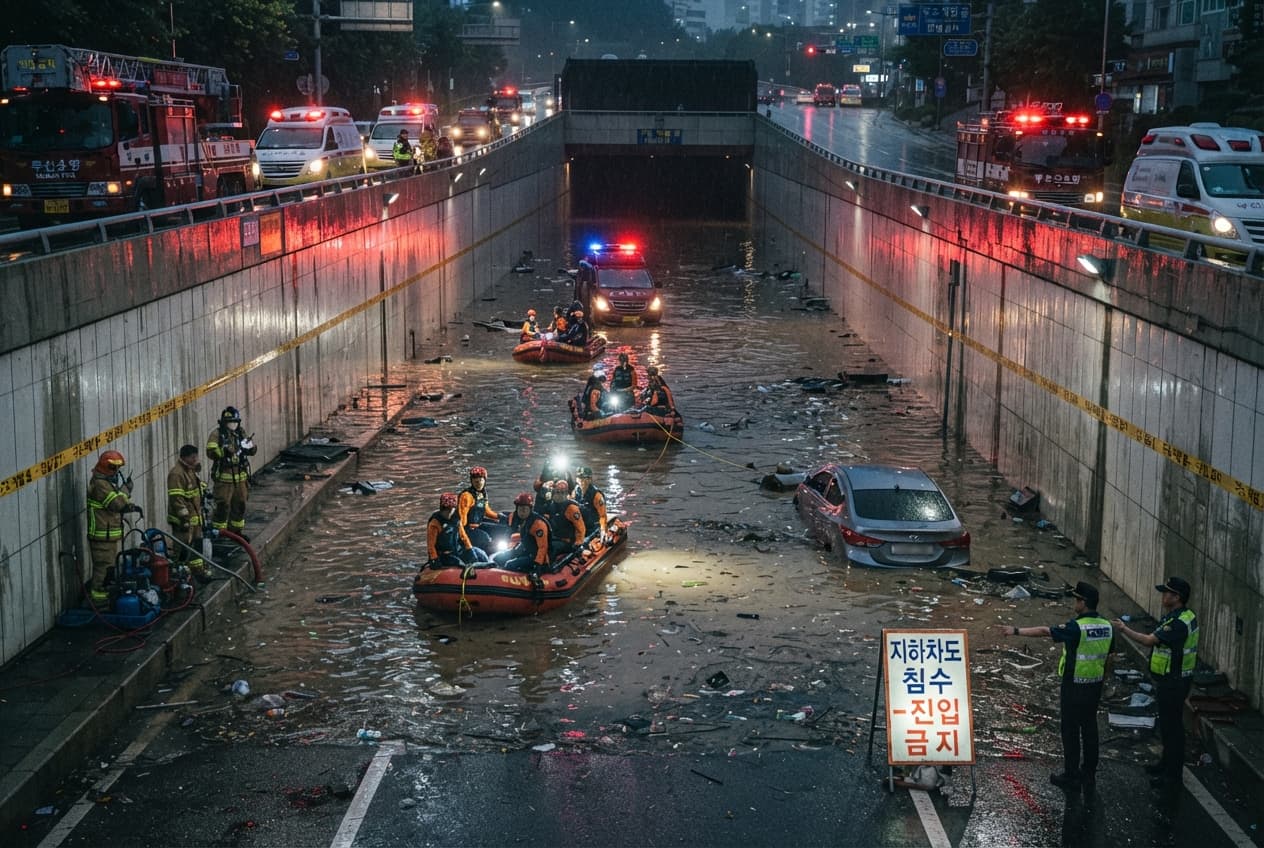
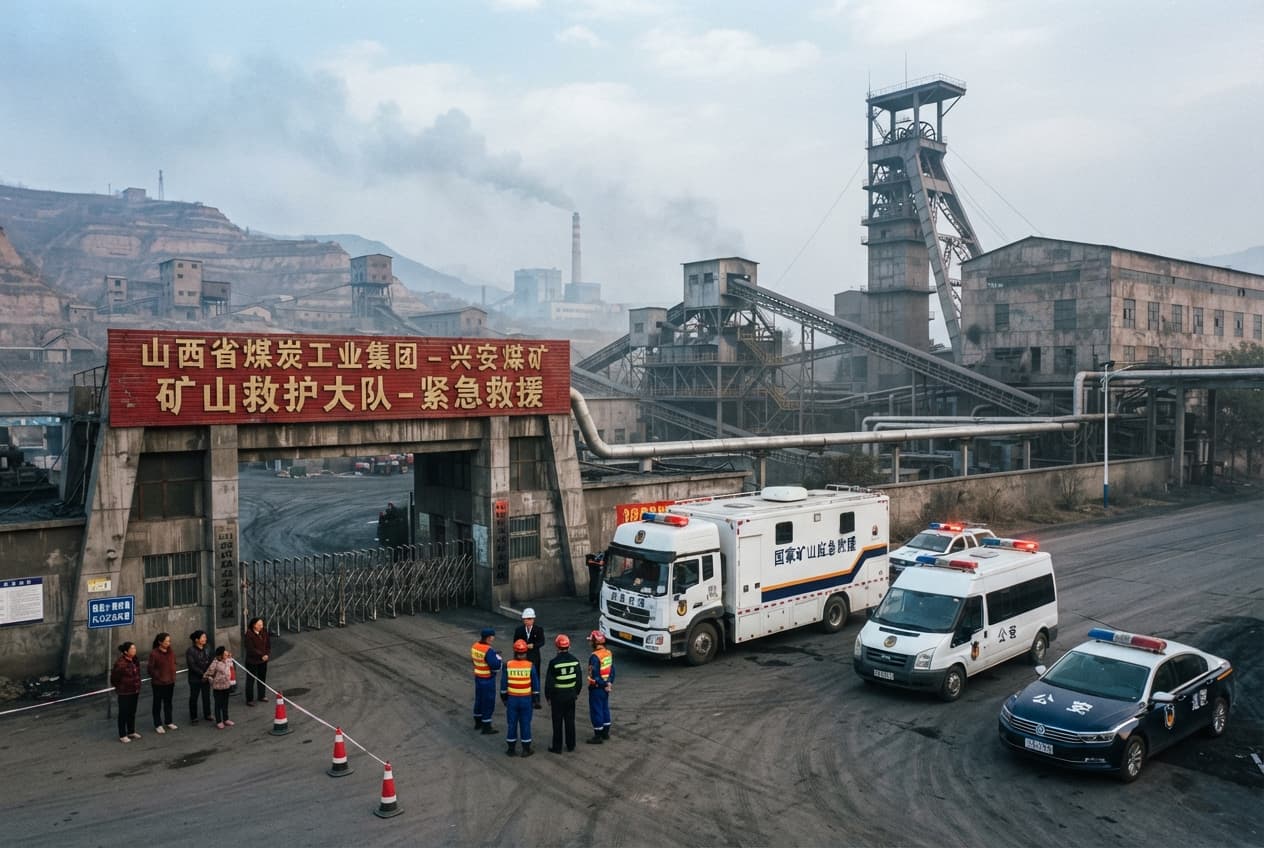
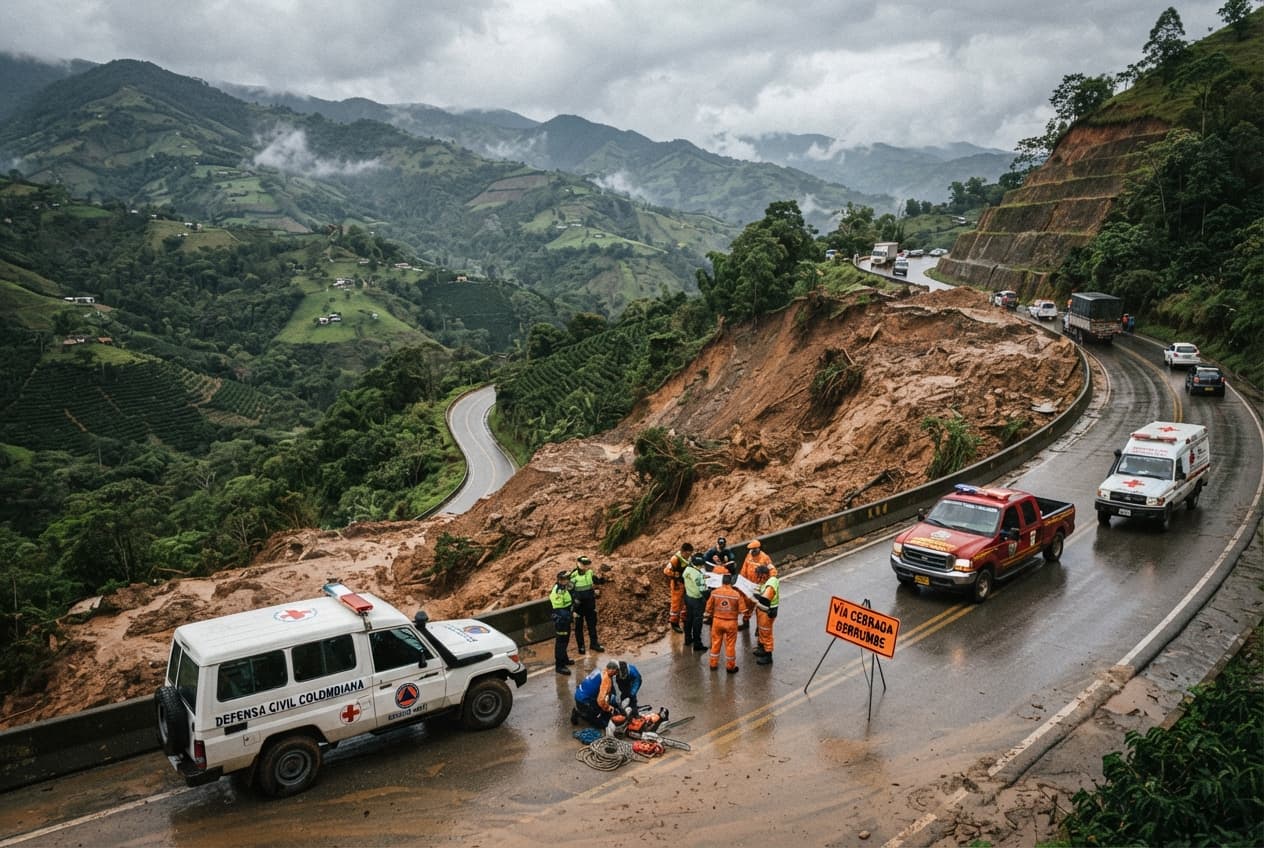
AI Image Disclaimer Images in this article are AI-generated illustrations, meant for concept only and not actual depictions of events.
Sources Al Jazeera Reuters Associated Press The Guardian BBC News
Published by Banx Network. This article is part of the Banx decentralized media programme, powered by the BXE token on the XRP Ledger.