
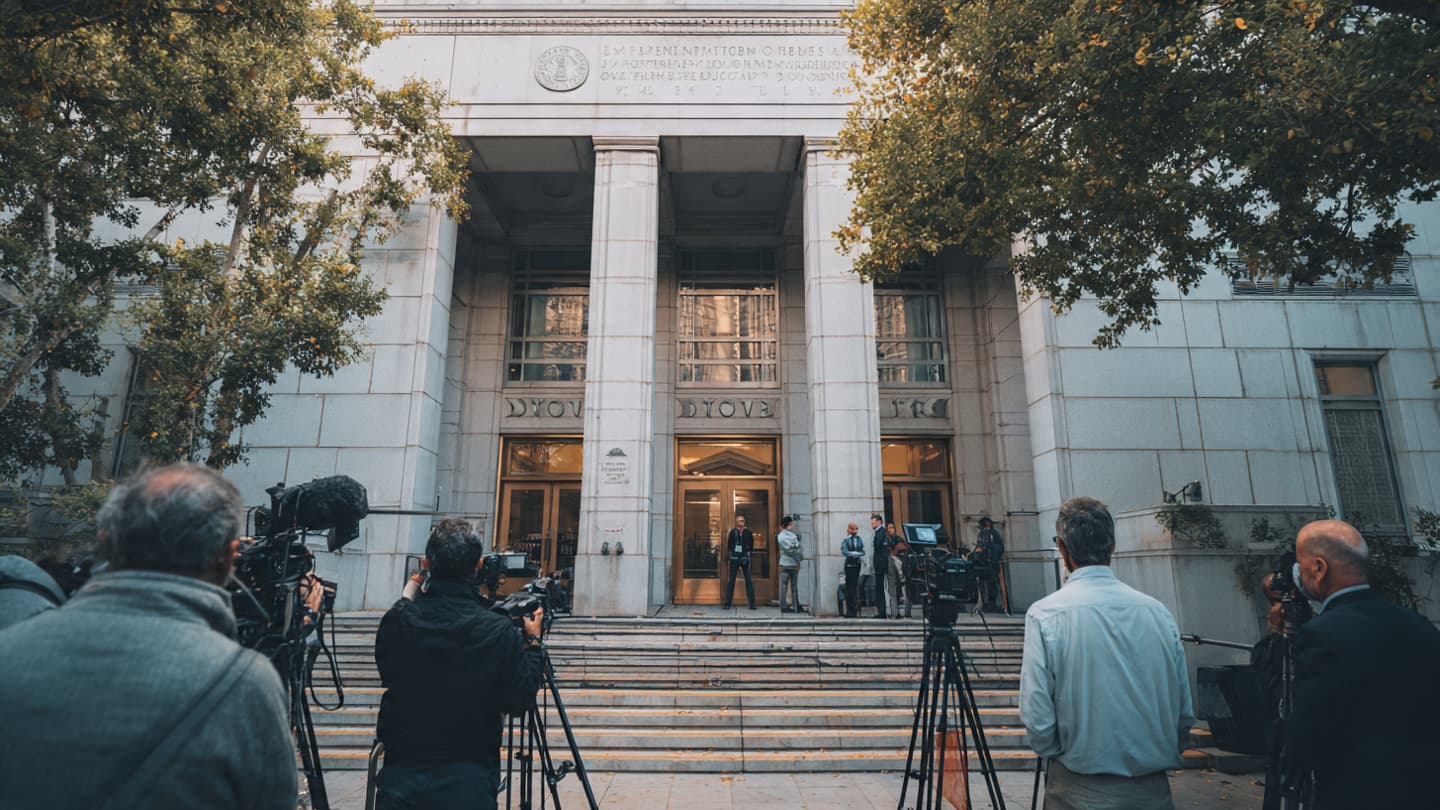
Courtrooms often become places where public narratives slow down and pass through a different kind of scrutiny — one measured not by headlines alone, but by procedure, documentation, and legal interpretation. In another chapter involving public figures, media attention, and legal disputes connected to the Trump family, a judge dismissed a lawsuit brought by author Michael Wolff against former First Lady Melania Trump.
The lawsuit stemmed from disagreements related to statements and reporting involving Wolff, a journalist and author known for books examining Donald Trump’s presidency and political circle. Legal disputes connected to public commentary and media coverage have frequently accompanied high-profile political figures in recent years, particularly in the United States’ highly polarized information environment.
According to court records and media reports, the judge concluded that the case did not meet the legal standards required to proceed. The dismissal represents a procedural victory for Melania Trump, though public legal disputes involving political personalities often continue through appeals, public responses, or broader media debate.
Michael Wolff has remained a controversial figure in American political journalism due to his reporting style and use of anonymous sources. His books have generated intense public interest while also drawing criticism from Trump allies and some media observers who questioned aspects of sourcing and accuracy.
Melania Trump, meanwhile, has generally maintained a more limited public profile compared to other political figures surrounding Donald Trump’s presidency. Legal actions connected to her public image and reputation have occasionally emerged, particularly regarding media portrayals and commercial or personal branding issues.
Legal analysts note that lawsuits involving public figures face especially high thresholds under American defamation and free speech law. Courts often weigh constitutional protections for journalism and public commentary against claims involving reputational harm, making such cases both legally and politically sensitive.
The dismissal also arrives during a period when public trust in media institutions, political figures, and information sources remains deeply contested across the United States. High-profile legal disputes increasingly unfold alongside broader cultural debates about journalism, accountability, and public discourse.
For now, the court’s decision closes one phase of the case, though discussions surrounding political media coverage and public reputations are unlikely to disappear. In modern American politics, legal battles and narrative battles often continue moving side by side.
AI Image Disclaimer: Some editorial visuals related to this article may include AI-generated courtroom and media illustrations.
Sources: Reuters, CNN, The Washington Post, Associated Press, NBC News
Note: This article was published on BanxChange.com and is powered by the BXE Token on the XRP Ledger. For the latest articles and news, please visit BanxChange.com