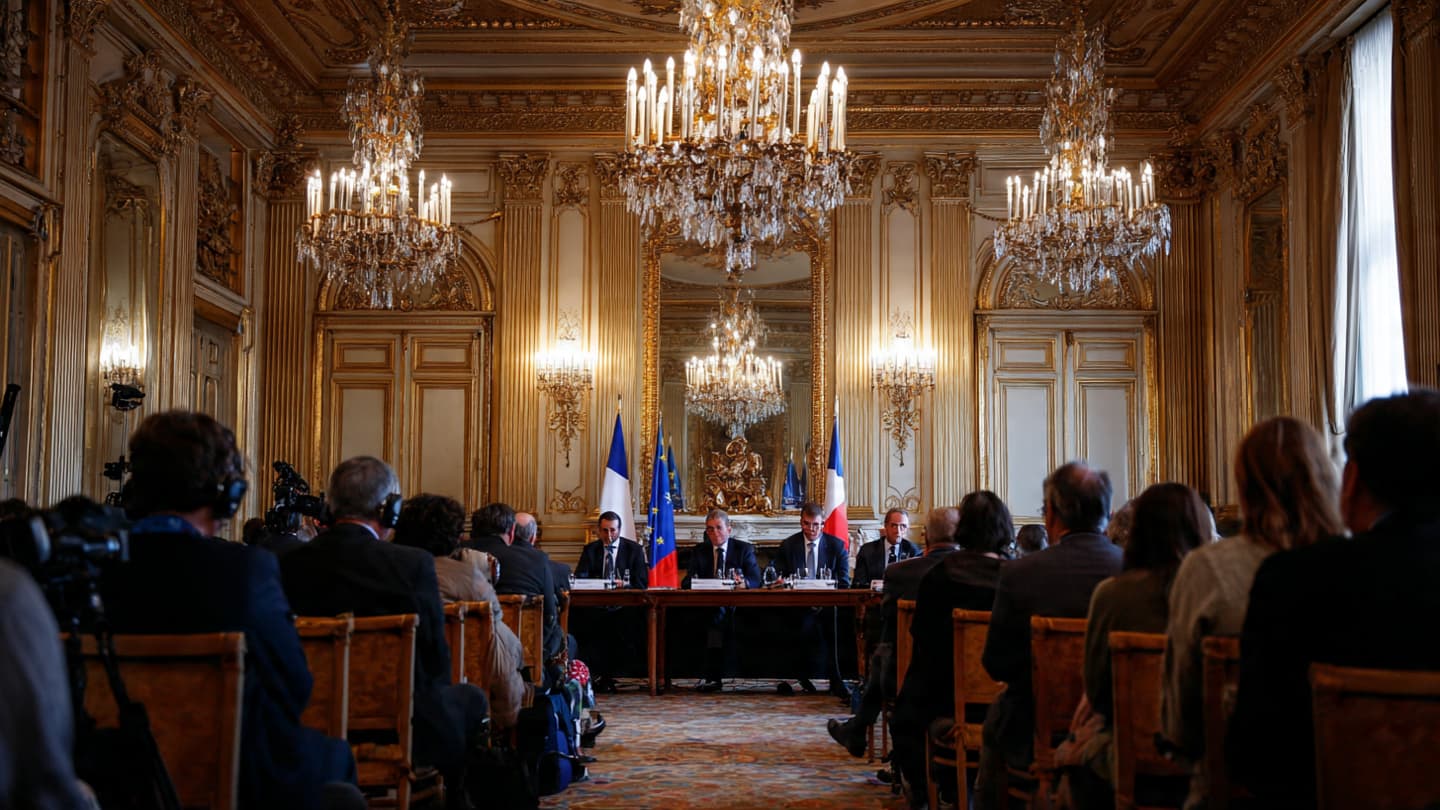
Diplomatic relationships are often tested not only by military conflicts and treaties, but also by words spoken in moments of tension. In Europe and the Middle East alike, political rhetoric surrounding the Gaza conflict continues shaping international relations. France’s decision to ban Israeli minister Itamar Ben-Gvir after remarks connected to flotilla detainees has added another layer to already strained diplomatic exchanges.
French officials described the comments attributed to Ben-Gvir as unacceptable, with reports citing references to taunts directed at detainees linked to a Gaza flotilla incident. In response, France reportedly imposed restrictions preventing the Israeli minister from entering the country.
The move comes during a period of heightened diplomatic sensitivity across Europe regarding the Gaza conflict and humanitarian conditions in the region. Several European governments have expressed concern over civilian casualties, aid access, and inflammatory political rhetoric from various parties involved in the broader crisis.
Ben-Gvir, known for hardline nationalist positions within Israeli politics, has remained a controversial figure both domestically and internationally. Supporters view him as a defender of Israeli security interests, while critics argue that his rhetoric deepens polarization and complicates diplomatic dialogue.
France has increasingly positioned itself as a vocal participant in European discussions surrounding humanitarian law, ceasefire proposals, and regional stability. Officials in Paris have emphasized the importance of measured political language during periods of conflict escalation.
Observers note that diplomatic bans against senior foreign officials are relatively uncommon and often carry symbolic significance beyond immediate practical effects. Such measures typically reflect broader political frustration or attempts to send a public message regarding acceptable conduct.
The controversy also illustrates how the Gaza conflict continues extending into international diplomacy far beyond the Middle East itself. Political statements made in one country now rapidly influence debates, protests, and official reactions across Europe and other regions.
For now, France’s decision reflects the increasingly tense atmosphere surrounding international discussions on Gaza and Israel. In an era shaped by instant communication and global political scrutiny, rhetoric itself has become part of the diplomatic battlefield.
AI Image Disclaimer: Some accompanying editorial visuals may contain AI-generated diplomatic and political imagery.
Sources: Reuters, Le Monde, BBC, Associated Press, Al Jazeera
Published by Banx Network. This article is part of the Banx decentralized media programme, powered by the BXE token on the XRP Ledger.