Political landscapes are rarely static, shifting like the tides in response to local currents and national winds. In Alaska, a state known for its rugged independence and unique political dynamics, the recent primary results have introduced a new layer of complexity to the Republican party’s strategy. The advancement of a second candidate named Dan Sullivan in the Senate race serves as a curious footnote in a contest already marked by intense competition and strategic maneuvering.
It is important to clarify the context: the headline likely refers to the competitive nature of the Alaska Senate race involving incumbent Senator Dan Sullivan. However, if interpreted literally as a "second Dan Sullivan," it may stem from a misunderstanding or a specific local candidate with a similar name. In reality, the "headache" for Republicans often stems from the divided field in Alaska’s unique top-four primary system, where multiple candidates from the same party can advance to the general election, potentially splitting the vote.
Alaska’s electoral system, which allows the top four candidates regardless of party to advance to a ranked-choice general election, creates unusual dynamics. For the GOP, managing a crowded field is crucial to ensure that their preferred candidate emerges strong against Democratic and independent opponents. The presence of multiple serious contenders within the party can dilute support, making the path to victory more precarious.
Senator Dan Sullivan, the incumbent, faces challenges from within his own party as well as from outside. Critics argue that his tenure has not fully addressed local concerns, while supporters point to his legislative achievements and seniority in Washington. The primary process thus becomes a test of his standing among Alaskan voters, who value both party loyalty and individual merit.
The "headache" mentioned in political commentary often reflects the broader national struggle within the Republican party to define its identity and strategy in key states. In Alaska, this is compounded by the state’s distinct political culture, which often prioritizes resource development, military presence, and local autonomy. Candidates must navigate these issues carefully to appeal to a diverse electorate.
As the primary season progresses, the focus shifts to voter outreach and coalition building. Campaigns are investing heavily in ground operations, aiming to connect with voters in remote communities as well as urban centers. The outcome will depend not only on policy positions but also on the ability of candidates to resonate with the personal values and priorities of Alaskans.
The implications of this race extend beyond state borders, serving as a bellwether for how the GOP performs in non-traditional battlegrounds. A strong showing by the incumbent could signal stability, while a upset might indicate shifting sentiments within the party base. Observers watch closely, aware that every vote in Alaska carries weight in the broader narrative of national political trends.
Voters in Alaska will have their say in the upcoming primary, with the top four candidates advancing to the general election. The Republican party continues to monitor the race closely, hoping to unify behind a strong candidate who can secure the seat in November.
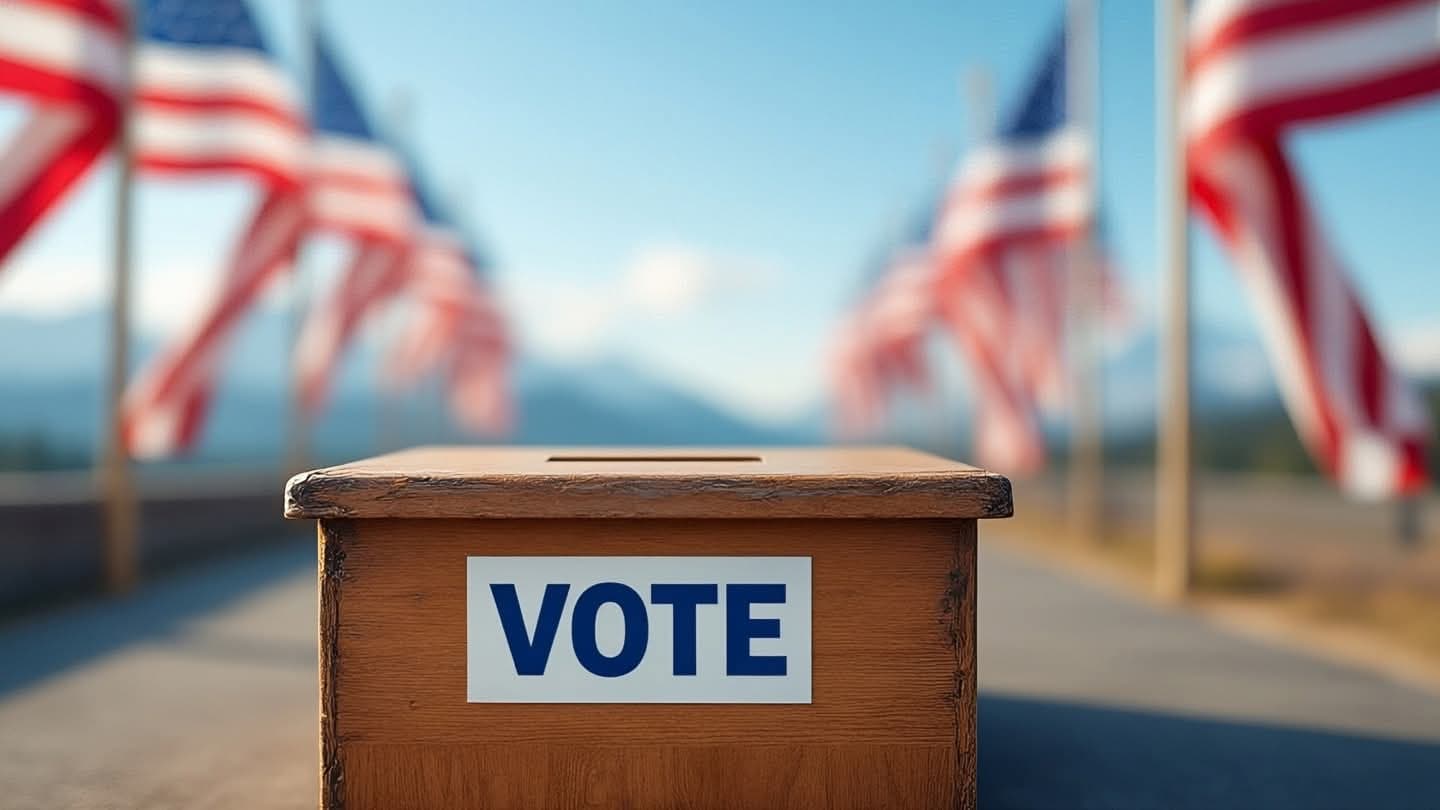
AI Image Disclaimer: The images associated with this piece are AI-generated visualizations intended to represent the thematic elements of political campaigning and electoral processes.
Sources: Alaska Public Media The Anchorage Daily News Politico Reuters Ballotpedia
Published by Banx Network. This article is part of the Banx decentralized media programme, powered by the BXE token on the XRP Ledger.