
Key Highlights
- Iran's parliament discusses a controversial legislative initiative.
- The proposal reportedly offers rewards for threats against Trump and Netanyahu.
- Experts warn that inflammatory rhetoric could escalate tensions.
Political rhetoric during periods of international confrontation can sometimes move beyond diplomacy and enter territory that draws widespread global concern. Statements, symbolic legislation, and public campaigns often reflect the intensity of geopolitical rivalry while also shaping international reactions and legal debates.
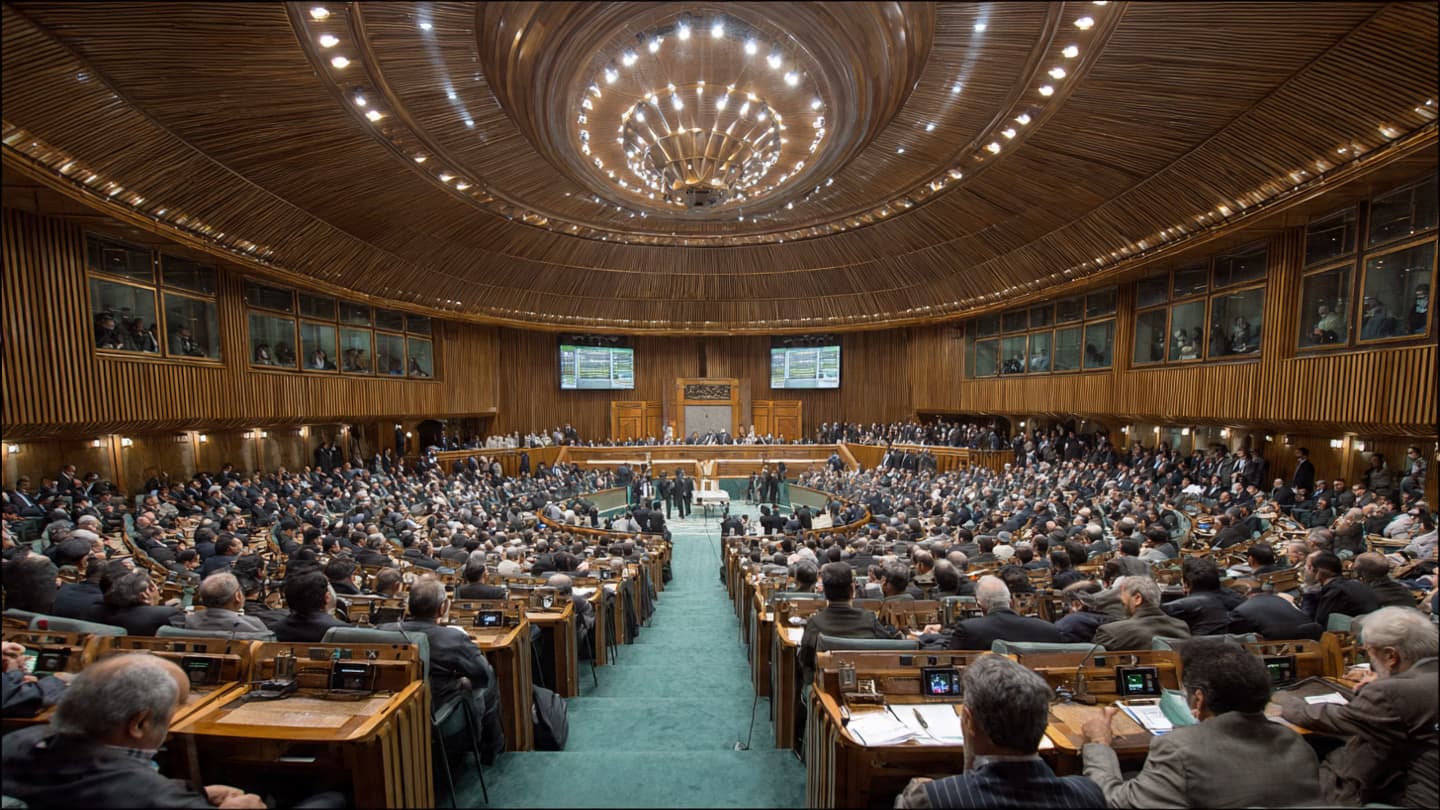
Recent reports indicate that members of Iran’s parliament are discussing a legislative initiative connected to fundraising efforts for a proposal that allegedly offers a substantial reward tied to threats against former U.S. President Donald Trump and Israeli Prime Minister Benjamin Netanyahu. The reported figure has attracted significant international attention and criticism, highlighting the potential for political rhetoric to escalate into dangerous territory.
The proposal reportedly emerged amid escalating tensions involving Iran, the United States, and Israel following recent regional security disputes and military confrontations. Iranian political factions have frequently used strong rhetoric in response to sanctions, military pressure, and diplomatic conflicts involving Western governments and Israel. This context underscores the precarious nature of international relations in the region.
International observers caution that inflammatory political language can deepen instability during already fragile geopolitical conditions. Security experts warn that public threats against political leaders risk escalating diplomatic tensions and complicating efforts aimed at de-escalation. The rhetoric surrounding this legislative initiative serves as a reminder of how quickly political discourse can shift from diplomatic dialogue to confrontational threats.
Neither the United States nor Israel has formally treated the reported proposal as an immediate operational threat, though international media coverage has intensified scrutiny of political discourse emerging from the region. Analysts note that symbolic legislative actions sometimes serve domestic political purposes as much as international messaging, reflecting the complex interplay between domestic politics and international relations.
Legal scholars emphasize that calls involving violence against foreign political figures raise serious concerns under international law and diplomatic norms. Such developments frequently draw condemnation from governments and international organizations seeking to discourage political incitement. The implications of this rhetoric extend beyond the immediate political landscape, potentially affecting broader diplomatic relations.
At the same time, regional tensions continue shaping public rhetoric across multiple countries involved in Middle Eastern disputes. Political messaging often becomes more confrontational during periods marked by military escalation and heightened nationalism. The current climate suggests that rhetoric will remain sharp as long as tensions persist.
Diplomatic efforts involving regional mediators remain active despite increasingly sharp public exchanges among rival governments. Observers continue urging restraint from all parties to prevent further deterioration in regional stability. The controversy surrounding the reported parliamentary initiative reflects how political rhetoric can become another arena within wider geopolitical confrontation, with significant implications for peace and security in the region.
The visuals accompanying this article are AI-generated illustrations intended to support political and international affairs reporting.
Published by Banx Network. This article is part of the Banx decentralized media programme, powered by the BXE token on the XRP Ledger.



