Political legacies are often measured not only by elections won or offices held, but also by the long-term causes leaders pursue over decades. For , few issues have remained as central as Cuba policy, a subject deeply woven into the history of Florida politics and the broader relationship between the United States and the Cuban government.
Recent discussions surrounding Rubio’s influence have intensified as supporters and critics debate whether his longstanding hardline approach toward Cuba is shaping new pressure on Havana. Some political observers describe current developments as part of Rubio’s broader legacy regarding U.S.-Cuba relations.
Rubio, the son of Cuban immigrants, has consistently advocated strong sanctions, diplomatic pressure, and support for political opposition movements in Cuba. His position reflects views held by many Cuban-Americans who oppose the island’s communist government and remain deeply affected by the historical legacy of exile and political repression.
The Cuban government, meanwhile, continues facing economic strain, migration pressures, and public frustration linked to shortages, inflation, and international sanctions. Analysts note that multiple factors — both internal and external — are contributing to the country’s ongoing instability.
U.S.-Cuba relations have shifted repeatedly across presidential administrations. Periods of diplomatic engagement and eased restrictions have alternated with renewed sanctions and stricter policies, often reflecting changing political priorities in Washington and South Florida.
Critics of hardline sanctions argue that ordinary Cuban citizens frequently bear the greatest economic burden during periods of intensified pressure. Supporters counter that maintaining strong political and economic leverage is necessary to challenge authoritarian governance and encourage democratic reforms.
The issue also carries broader geopolitical dimensions. Cuba maintains relationships with countries including Russia, China, and Venezuela, making the island strategically relevant beyond its size or geographic proximity to the United States.
Political analysts note that Rubio’s influence on Latin American policy has grown steadily through his Senate role and foreign policy involvement. His views on Cuba have often aligned with broader Republican positions emphasizing pressure against socialist governments in the region.
Whether current developments ultimately reshape Cuba’s political system remains uncertain. Yet the renewed focus on Rubio’s role underscores how individual political careers can become closely tied to enduring international disputes that span generations and national boundaries.
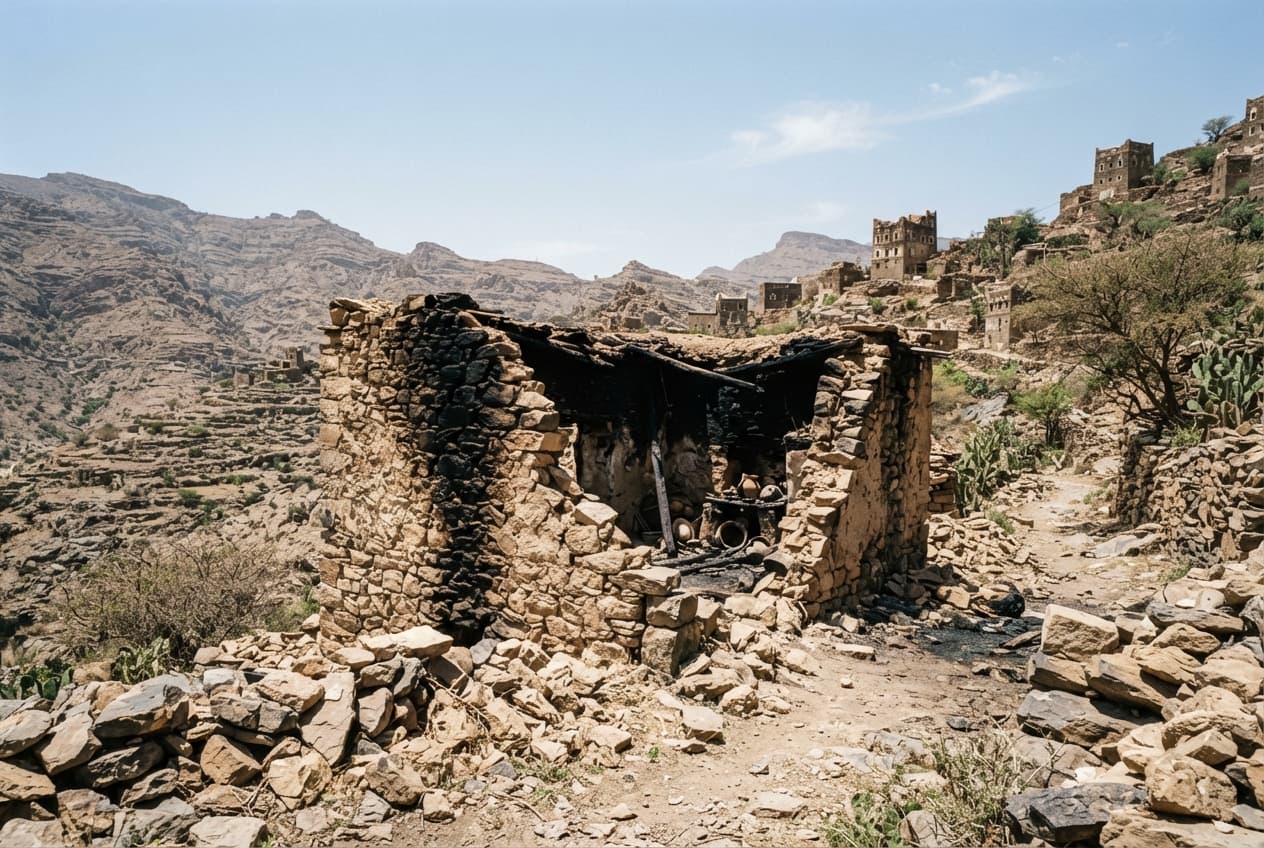
AI Image Disclaimer: Some visual elements used alongside this article were produced through AI-generated illustration methods.
Sources: Reuters, Miami Herald, Associated Press, Politico
Published by Banx Network. This article is part of the Banx decentralized media programme, powered by the BXE token on the XRP Ledger.