

Key Highlights
- Economic shifts are reshaping political alliances as the 2026 elections approach.
- Blue-collar voters are increasingly concerned about jobs and economic stability.
- Political strategists are analyzing changing voter sentiments and priorities.
Political coalitions often resemble long-built bridges, shaped by years of shared priorities, economic conditions, and cultural experiences. Yet even the strongest bridges require maintenance, and changing circumstances can alter the direction of public sentiment. As discussions surrounding the 2026 election cycle begin to take shape, analysts are paying close attention to shifts among key voter groups, particularly blue-collar workers.
Recent political analysis has identified potential challenges for segments of blue-collar white voters, a demographic that has played a significant role in recent electoral outcomes. Polling and voter sentiment studies suggest that economic concerns, such as job security and inflation, may significantly influence political preferences within this group. This demographic's historical alignment with certain political parties is being tested as economic realities shift.
Blue-collar voters have long been an important constituency in American politics. Issues such as employment trends, wages, manufacturing activity, inflation, healthcare costs, and housing affordability often rank among the most pressing concerns for these communities. As economic conditions fluctuate, so too do the priorities of these voters, prompting political strategists from both major parties to reassess their approaches.
Political strategists are examining whether economic uncertainty could reshape voting patterns ahead of future elections. While some voters remain strongly aligned with established political identities, others may place greater emphasis on practical economic considerations. This shift could lead to a reconfiguration of traditional voting blocs, with candidates needing to adapt their messaging to resonate with the evolving concerns of blue-collar workers.
Analysts caution that voter behavior is rarely determined by a single factor. Regional differences, local economic conditions, cultural issues, and perceptions of leadership all contribute to electoral outcomes. As a result, broad demographic trends do not always translate directly into election results. The interplay of these factors makes it essential for candidates to engage with voters on multiple levels, addressing both economic and social issues.
The discussion also reflects broader questions about the future of working-class politics in the United States. Candidates across the political spectrum continue to compete for support from voters concerned about employment opportunities, industrial development, and economic stability. As the political landscape evolves, the ability to connect with working-class voters will be crucial for candidates seeking to secure electoral success.
Polling data provides a useful snapshot of public opinion, but experts emphasize that attitudes can change over time. Campaign events, policy proposals, economic indicators, and national developments often influence voter perspectives as elections draw closer. This fluidity in voter sentiment underscores the importance of ongoing engagement and responsiveness from political candidates.
Both political parties are expected to devote significant attention to persuadable working-class voters in upcoming campaigns. Messaging related to jobs, manufacturing, trade, and household finances is likely to remain prominent. As preparations for future elections continue, the evolving relationship between political leaders and working-class communities will remain an important area of observation. Voter priorities, rather than assumptions, are expected to shape the political landscape ahead.
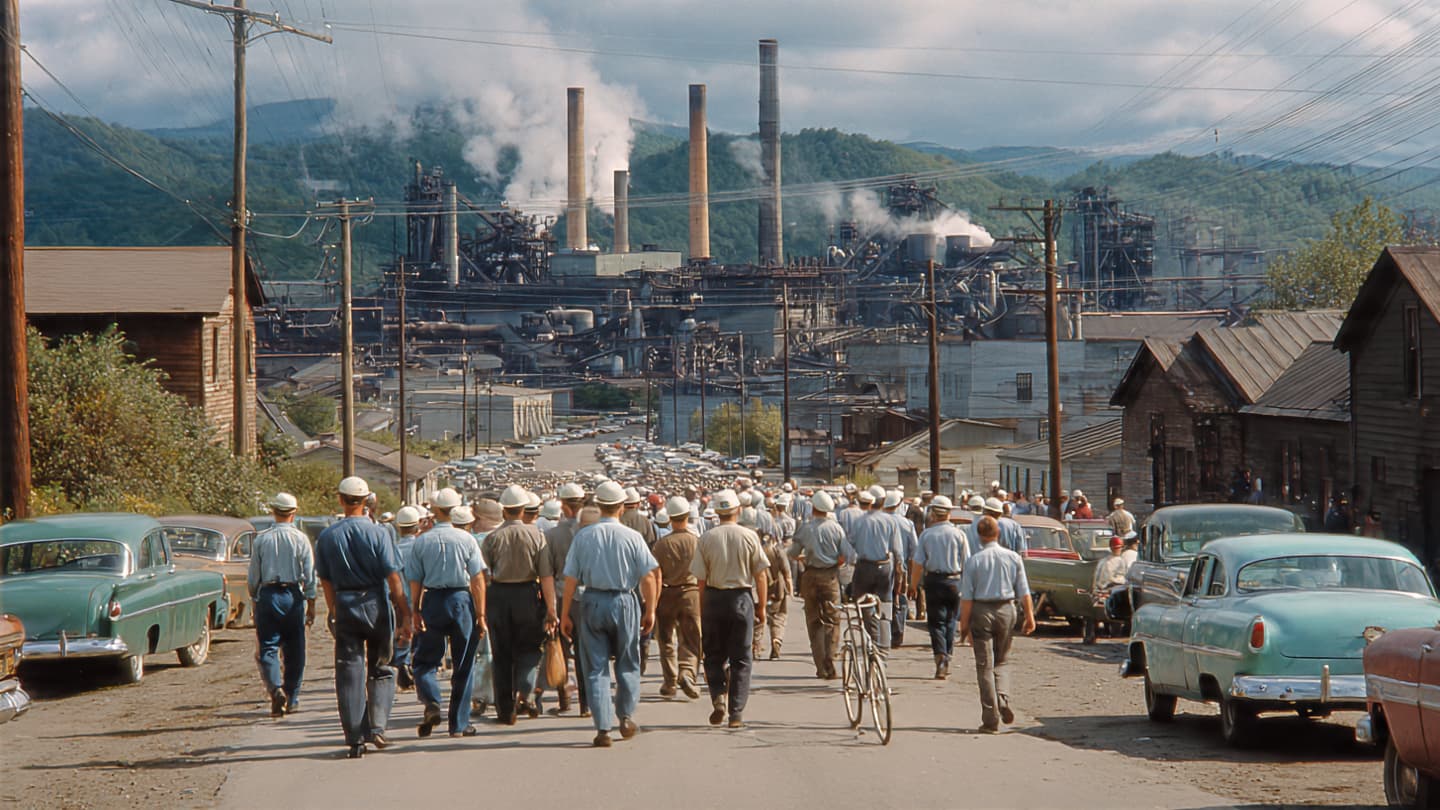
AI Image Disclaimer: Illustrations associated with this article may contain AI-generated imagery created to visually represent political and economic themes.
Published by Banx Network. This article is part of the Banx decentralized media programme, powered by the BXE token on the XRP Ledger.




