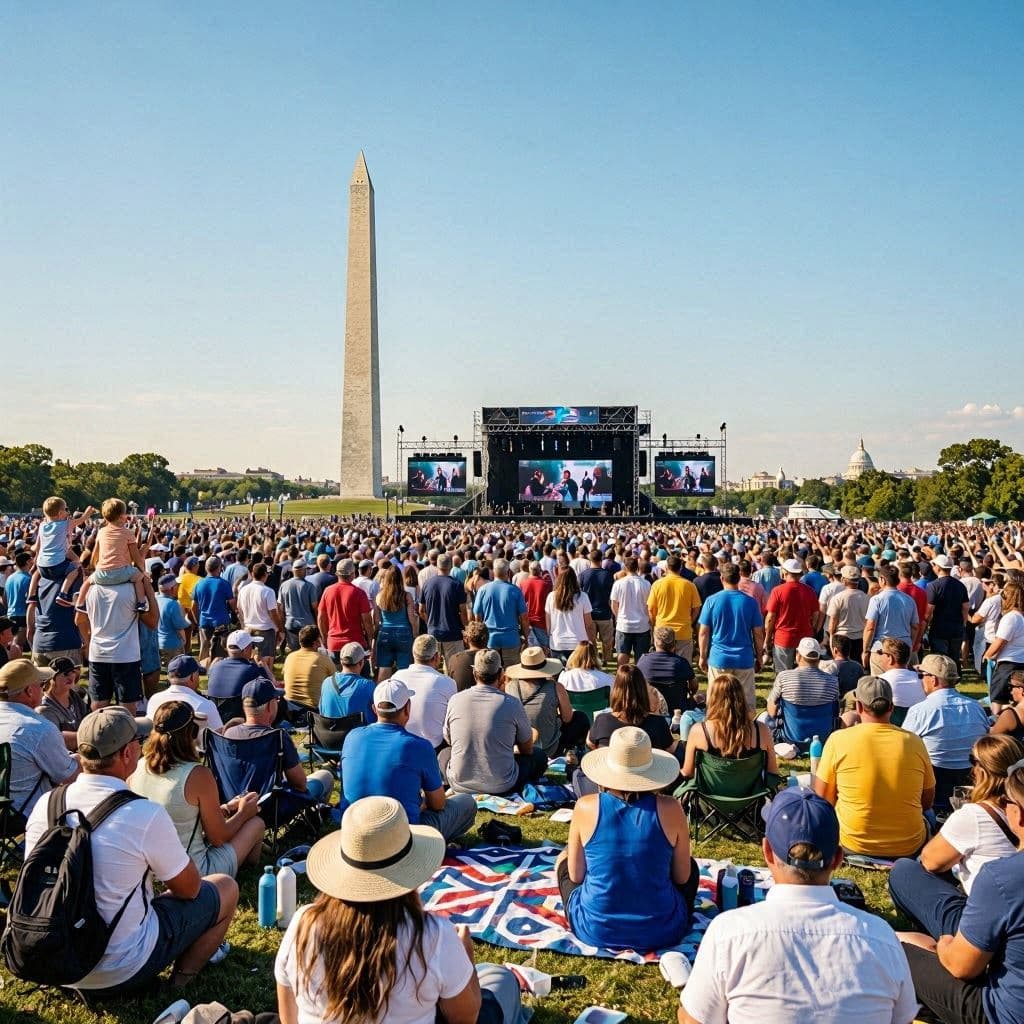
Opening: Political theater and historical commemoration often intersect in the capital, where the stages of power are set against backdrops of national memory. This Fourth of July, former President Donald Trump chose the National Mall to mark the nation’s 250th anniversary with a rally that blended patriotic celebration with political messaging. The event, styled like a campaign gathering, drew thousands of supporters who braved the summer heat to hear his vision for America’s future. It was a moment that highlighted the enduring influence of Trump in the Republican party and the evolving nature of political engagement in the digital age.
Body: The rally featured speeches from Trump and other prominent Republican figures, focusing on themes of national pride, economic strength, and border security. Trump used the platform to critique current policies and outline his agenda for the upcoming election cycle. His rhetoric, characterized by its directness and emotional appeal, resonated with his base, who viewed the event as both a celebration of history and a call to action. The atmosphere was energetic, with chants and signs supporting the former president.
Critics argued that politicizing a national holiday detracted from its unifying purpose. They suggested that the Fourth of July should be a time for all Americans to come together, regardless of party affiliation. However, supporters countered that patriotism and political advocacy are not mutually exclusive. They viewed Trump’s presence as a legitimate expression of civic engagement, emphasizing the right to assemble and speak freely. This debate reflects the broader polarization in American politics.
Security for the event was extensive, with law enforcement agencies coordinating to ensure safety. The National Park Service managed permits and logistics, balancing the needs of the rally with access for other visitors to the Mall. Despite the large crowds, the event proceeded without major incidents. The presence of counter-protesters was minimal, indicating a controlled environment. This organization highlighted the complexities of managing public spaces in a politically charged climate.
The rally also served as a fundraising opportunity for Trump’s campaign and associated political action committees. Donations poured in during and after the event, boosting financial resources for future electoral efforts. This integration of celebration and fundraising is a common strategy in modern politics, leveraging high-profile events to mobilize support. It demonstrates the commercialization of political engagement and the importance of financial backing in elections.
Media coverage of the rally was widespread, with live broadcasts and social media updates reaching millions. Trump’s use of digital platforms amplified his message, allowing him to bypass traditional media filters. This direct communication style has become a hallmark of his political brand, enabling him to maintain a strong connection with his supporters. The rally’s visibility underscored the power of media in shaping political narratives.
For historians, the event raised questions about the interpretation of national holidays. The 250th anniversary is a significant milestone, offering an opportunity to reflect on the nation’s achievements and challenges. By framing it within a political context, Trump influenced how many Americans perceived the day. This intersection of history and politics is a recurring theme in American culture, where the past is often invoked to justify present actions.
As the sun set and the fireworks began, the rally concluded with a sense of momentum. For Trump’s supporters, it was a reaffirmation of their beliefs and a boost for the campaign ahead. For others, it was a reminder of the deep divisions that persist in the country. The event left a lasting impression, contributing to the ongoing dialogue about America’s identity and direction.
Closing: Donald Trump marked the US 250th anniversary with a campaign-style rally on the National Mall, blending patriotic celebration with political messaging. The event drew thousands of supporters and highlighted the former president’s continued influence. It sparked debate about the role of politics in national commemorations.
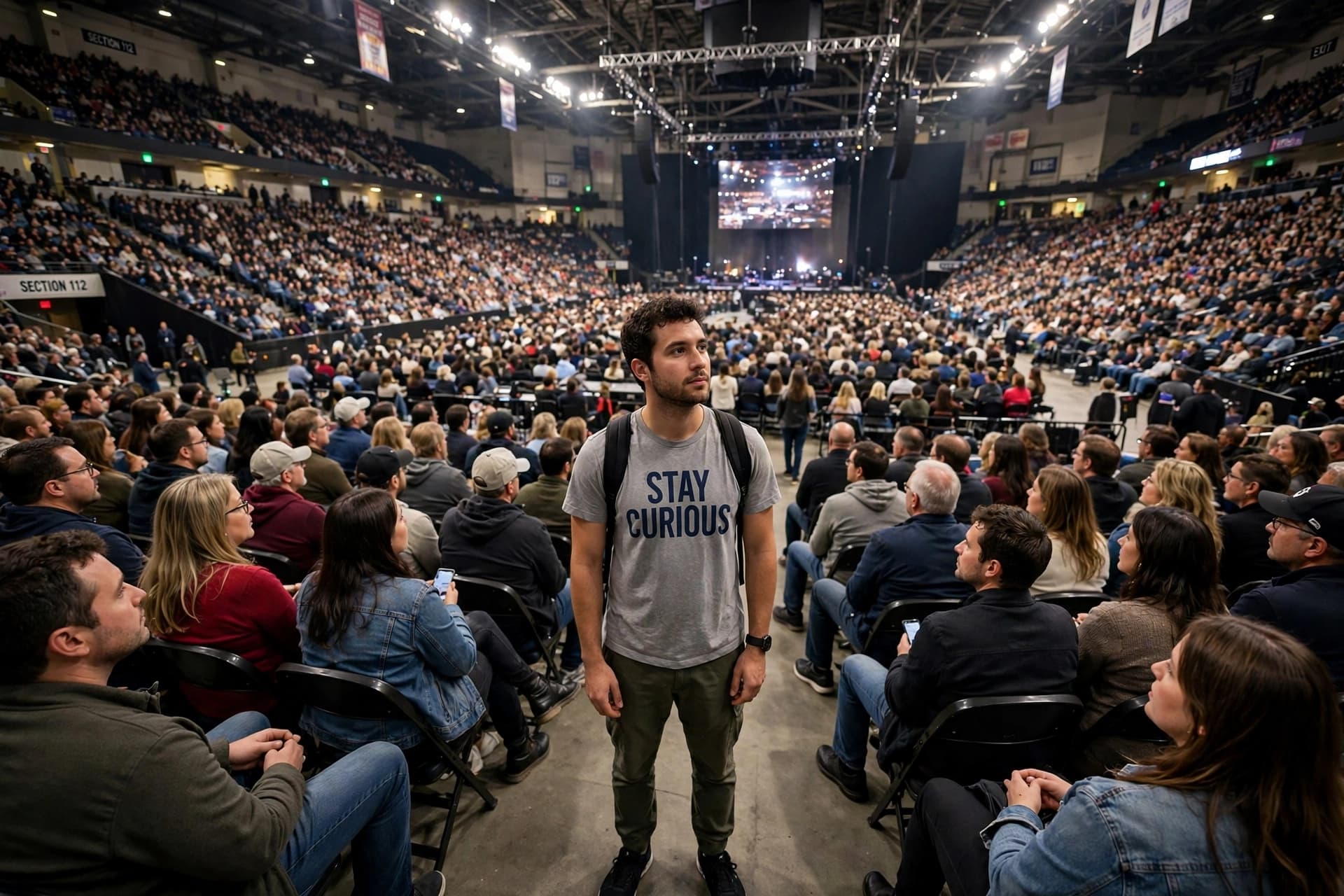
AI Image Disclaimer: Please be aware that the visual aids in this piece are AI-generated interpretations designed to support the narrative of political rallies and public gatherings.
Sources: The New York Times Politico Fox News Reuters
Published by Banx Network. This article is part of the Banx decentralized media programme, powered by the BXE token on the XRP Ledger.