
Key Highlights
- Polish PM Donald Tusk warns of critical months ahead due to Russian threats.
- Concerns arise from US intelligence reports of potential provocations in Poland.
- Poland prepares for various scenarios, emphasizing NATO's collective defense.
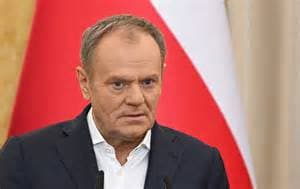
Polish Prime Minister Donald Tusk has issued a stark warning regarding the upcoming months, stating that they “may truly be critical” for Poland in light of the evolving threat from Russia. His comments come in response to alarming media reports that cite US intelligence, suggesting that Moscow may be planning an armed provocation in Poland aimed at testing NATO's resolve. This warning underscores the heightened tensions in Eastern Europe as the war in Ukraine continues to unfold.
The intelligence reports indicate that Polish infrastructure could be at risk of missile or drone attacks, or that Russian soldiers might be deployed into Polish territory. The objective of such actions, according to the reports, would be to exert pressure on Ukraine's Western allies to reconsider their support for Ukraine as it battles against Russia's ongoing invasion, which began in 2022. This potential escalation raises serious concerns about the security of NATO member states in the region.
In his remarks, Tusk emphasized that Poland is acutely aware of the threats it faces and is actively preparing for various scenarios. He urged authorities not to underestimate the seriousness of the situation, highlighting the importance of information shared by Poland's allies. This proactive stance reflects Poland's commitment to safeguarding its national security and its role within the NATO alliance.
Adding to the urgency of the situation, Polish President Karol Nawrocki is scheduled to attend a NATO summit in Turkey next week. At this summit, leaders are expected to discuss critical defense commitments and the ongoing financial support for Ukraine. The outcomes of this meeting could have significant implications for Poland and its allies as they navigate the complexities of the current geopolitical landscape.
Furthermore, Polish officials have previously expressed concerns about the possibility of hybrid tactics or “false flag” operations being employed by Russia in the future. Such tactics could further complicate the security environment in Eastern Europe and challenge NATO's collective defense strategy. Tusk reiterated the importance of NATO's Article 5 principle, which states that an attack on one member is considered an attack on all, underscoring the alliance's commitment to mutual defense.
As the situation continues to evolve, Poland remains vigilant and prepared to respond to any threats that may arise. The coming months will be crucial in determining the trajectory of security in the region and the effectiveness of NATO's collective response to Russian aggression.
Published by Banx Network. This article is part of the Banx decentralized media programme, powered by the BXE token on the XRP Ledger.



