

Key Highlights
- Incident Overview:Three individuals arrested in Clondalkin released without charge.
- Investigation Process:Police inquiries often unfold quietly behind the scenes.
- Community Impact:Local reactions intensify following violent incidents.
[Police Investigation Overview] Investigations often move in careful stages, shaped as much by uncertainty as by evidence. In the hours following a violent incident, public attention tends to focus on arrests and police activity. However, legal systems frequently unfold more quietly behind the scenes, where conclusions require patience rather than speed. In Clondalkin, three individuals arrested in connection with an attack investigation have now been released without charge.
According to reports, Gardaí detained the individuals as part of an ongoing inquiry into a serious incident in the Dublin suburb. Following questioning and examination of available evidence, authorities confirmed that all three were later released without formal charges being filed at this stage. This situation underscores the often complex nature of police investigations, where initial detentions may not lead to immediate charges.
[The Investigation Process] Police investigations commonly involve temporary detentions while officers gather witness statements, review surveillance footage, and assess forensic evidence. The release of suspects without charge does not necessarily end an inquiry; investigators may continue examining the circumstances surrounding the alleged offense. This process is crucial in ensuring that any subsequent legal actions are based on solid evidence rather than mere suspicion.
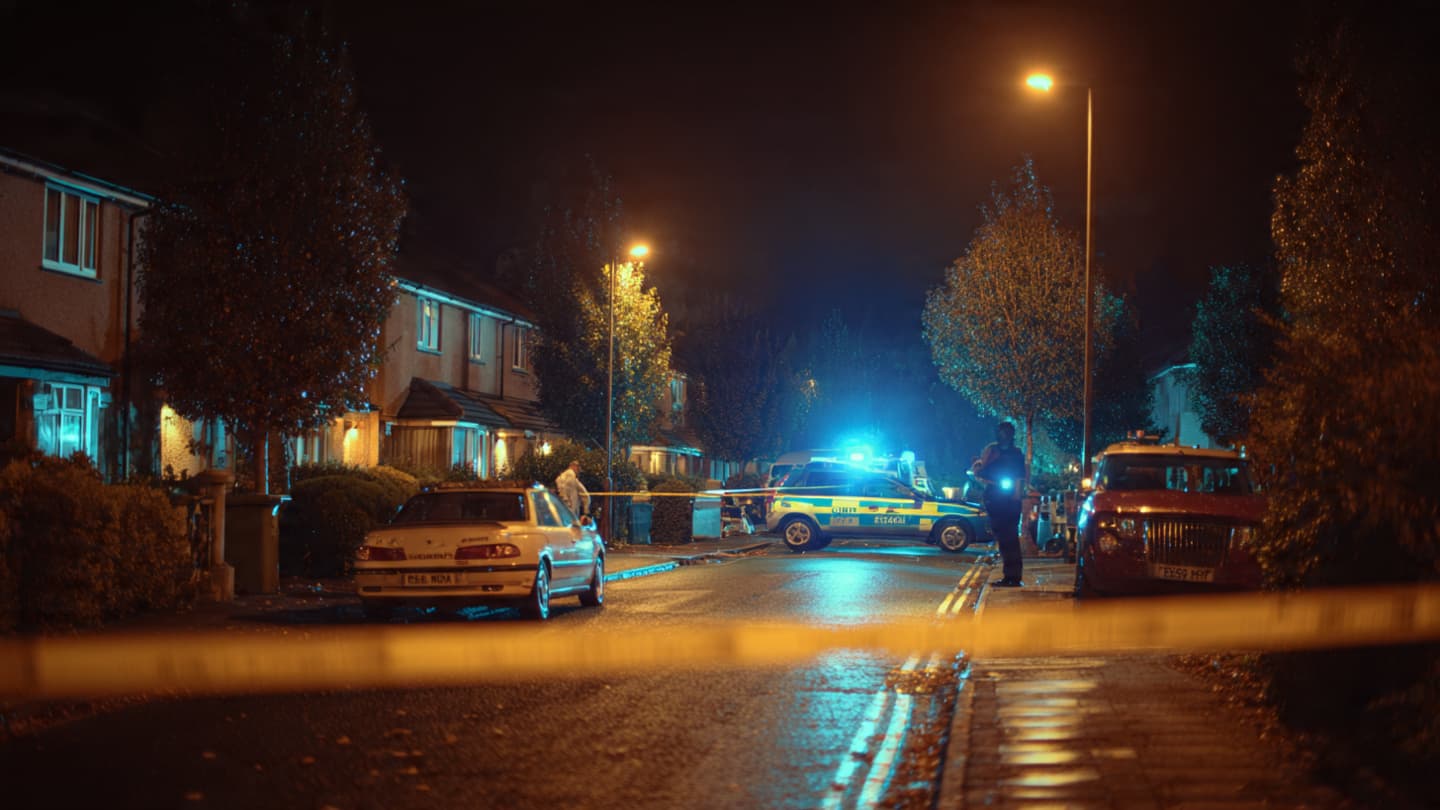
[Community Reactions] The incident itself reportedly drew significant local concern, with emergency services responding to the scene and Gardaí establishing investigative measures in the surrounding area. Community reactions often intensify when violent incidents occur in residential neighborhoods, where familiarity and routine are closely tied to daily life. Residents may feel a heightened sense of vulnerability, prompting questions about safety and the effectiveness of law enforcement.
[Legal Framework and Protections] Irish criminal procedure allows authorities to detain suspects for questioning under specific legal frameworks. Courts and policing systems emphasize evidence thresholds before charges proceed. The balance between investigative powers and legal protections remains central to criminal justice systems in democratic societies. This balance is critical in maintaining public trust and ensuring that investigations are conducted fairly and transparently.
[The Ongoing Inquiry] For residents, public uncertainty can linger even after immediate police activity subsides. Questions surrounding motive, responsibility, and community safety often continue circulating long after headlines begin to fade. Cases involving releases without charge highlight the distinction between suspicion and prosecution. Investigators may initially act on limited information during urgent circumstances, while later findings lead to different legal outcomes as evidence is reviewed more fully.
There is often a quiet contrast in such moments: flashing emergency lights and rapid public attention eventually give way to the slower, less visible pace of the legal process. Communities continue searching for reassurance that answers will emerge through careful investigation rather than assumption.
Gardaí have stated that inquiries into the Clondalkin attack remain ongoing and that further investigative steps may still take place as evidence continues to be assessed. The commitment to thorough investigation is essential in restoring community confidence and ensuring justice is served.
Published by Banx Network. This article is part of the Banx decentralized media programme, powered by the BXE token on the XRP Ledger.




