
Key Highlights
- Salary Reduction:PM Péter Magyar to cut his salary by over 50%.
- Broader Initiative:The government aims to lower salaries for various political roles.
- Financial Impact:Expected savings of HUF 50 billion through these measures.
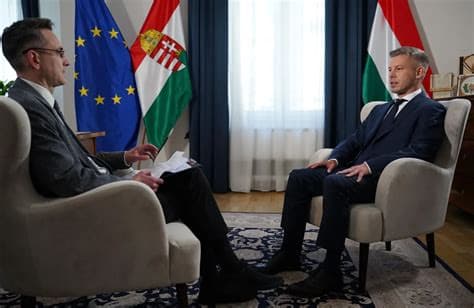
In a decisive move aimed at restoring public trust and demonstrating fiscal responsibility, newly appointed Prime Minister Péter Magyar has pledged to cut his own salary by more than half. In an interview aired on May 24, 2026, Magyar revealed that his gross monthly salary will drop to HUF 3.8 million, which consists of HUF 2.3 million as prime ministerial salary and HUF 1.5 million as a basic Member of Parliament salary. This significant reduction aligns with his government’s broader initiative to lower the salaries of ministers, members of Parliament, mayors, and senior executives at state-owned companies.
Magyar's salary adjustments come in stark contrast to Viktor Orbán, the previous prime minister, whose reported monthly salary was HUF 7.8 million (about EUR 22,000). During the interview, Magyar emphasized that the cuts aim to reflect a commitment to humility and restraint within the political elite, particularly in challenging economic times. This shift is seen as a necessary step to regain the trust of the Hungarian populace, who have expressed concerns over political excesses in the past.
In addition to slashing salaries, Magyar intends to reduce parliamentary expense allowances, previously allowing MPs to claim up to HUF 7 million monthly for various costs. Under the new regulations, this ceiling will drop to below HUF 5 million. These measures aim to eliminate perceived excesses and ensure that taxpayer money is used more responsibly. Magyar insists that political leaders must act as public servants rather than privileged elites, a sentiment that resonates with many citizens who have felt disconnected from their government.
The incoming government is targeting a savings of around HUF 50 billion (approximately EUR 139 million) through these reductions, signaling a significant shift in financial management amid ongoing economic pressures. The new administration has also pledged to tighten the rules surrounding the use of diplomatic privileges and resources, ensuring only necessary use of state resources for official duties. This comprehensive approach to reform is designed to foster a culture of accountability and transparency within the government.
Overall, Magyar's government is looking to set a precedent of accountability and reform, with the intention of revitalizing public faith in the political system after years of perceived corruption under the previous regime. As these changes take effect, the world will be watching how Hungary transitions towards a more transparent and responsible government. The implications of these reforms could extend beyond Hungary, influencing political practices in other nations facing similar challenges.
Published by Banx Network. This article is part of the Banx decentralized media programme, powered by the BXE token on the XRP Ledger.



