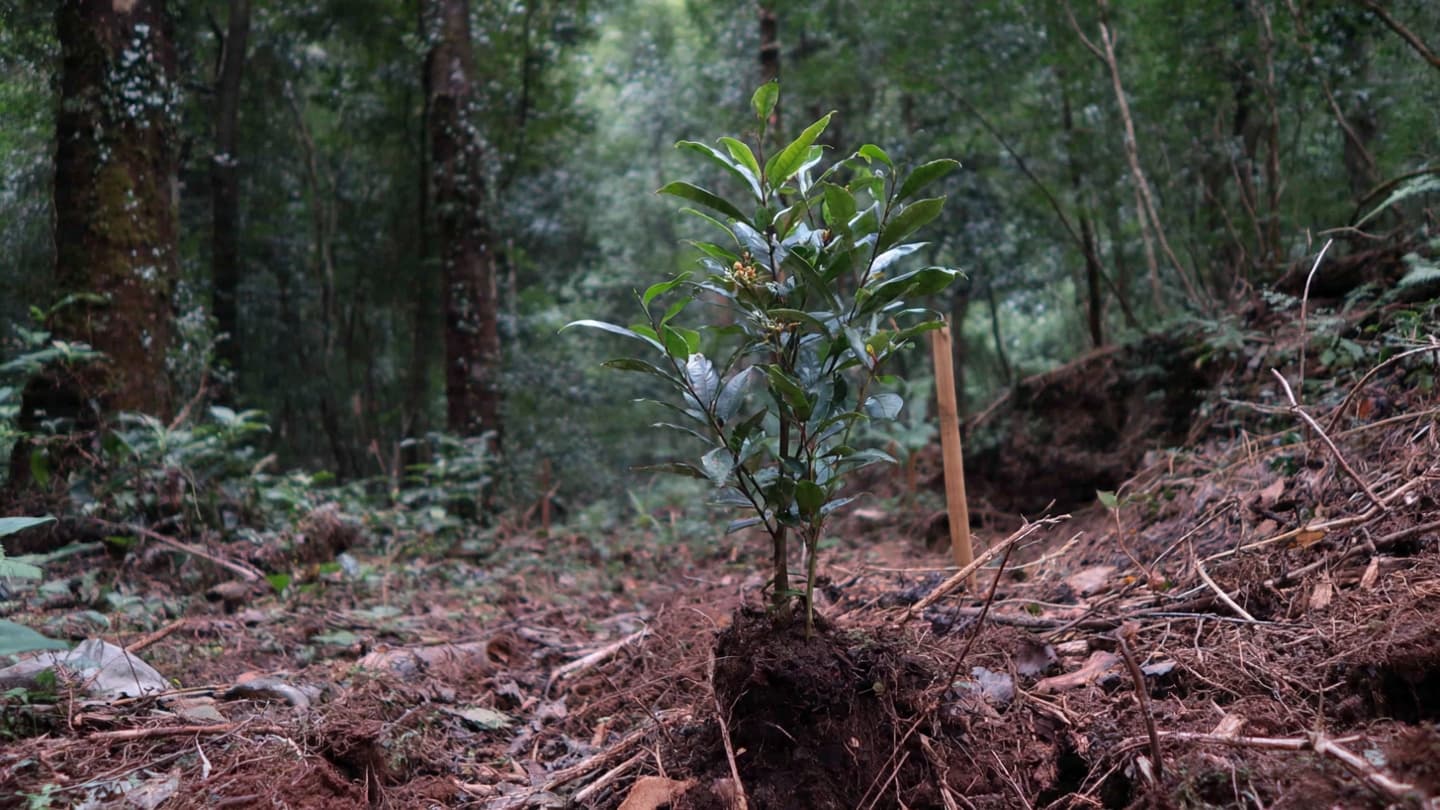
Forests tell stories measured not in days or years, but in decades and centuries. Their roots stabilize soil, their branches shelter wildlife, and their ecosystems support countless forms of life. Across France, new forest restoration programs are being introduced to strengthen biodiversity and enhance environmental resilience, reflecting growing recognition of the ecological value of healthy forest landscapes.
Forest ecosystems perform numerous functions essential to environmental stability. They absorb carbon dioxide, regulate water cycles, support biodiversity, and contribute to climate moderation. Their importance extends beyond environmental benefits to cultural, recreational, and economic dimensions as well.
Restoration initiatives often focus on improving ecosystem health rather than simply increasing tree numbers. Scientists and environmental managers seek to create diverse and resilient forests capable of adapting to changing conditions. Biodiversity plays a central role in achieving these objectives.
Native species frequently receive special attention within restoration programs. Trees, plants, and wildlife that evolved within local ecosystems often contribute to stronger ecological balance and long-term sustainability. Conservation strategies therefore emphasize habitat quality alongside reforestation efforts.
Climate-related challenges have increased interest in forest resilience. Drought conditions, wildfires, pests, and changing weather patterns can affect ecosystem stability. Restoration programs aim to strengthen forests so they can better withstand environmental pressures.
Researchers use advanced tools to guide restoration planning. Satellite imagery, ecological surveys, and environmental monitoring systems provide insights into forest health and biodiversity trends. Data-driven approaches help identify priority areas and evaluate project outcomes.
Local communities often participate in restoration activities. Educational programs, volunteer initiatives, and conservation partnerships encourage public engagement while fostering awareness of environmental stewardship. Community involvement can contribute to long-term project success.
Economic benefits may also emerge from healthy forest ecosystems. Sustainable forestry, tourism, recreation, and ecosystem services support regional development while maintaining environmental integrity. Many experts view conservation and economic opportunity as complementary rather than competing goals.
International environmental organizations have repeatedly emphasized the importance of ecosystem restoration in addressing global environmental challenges. Forest recovery efforts contribute not only to biodiversity conservation but also to broader sustainability objectives.
The forests growing across France represent more than collections of trees. They are living systems that connect landscapes, species, and communities. Through restoration efforts underway today, planners and conservationists hope to ensure that these ecosystems continue supporting life and biodiversity far into the future.
AI Image Disclaimer: Visuals are created with AI tools and are not real photographs.
Source Check Credible sources identified:
Reuters United Nations Environment Programme (UNEP) European Environment Agency World Wildlife Fund (WWF) National Geographic
Published by Banx Network. This article is part of the Banx decentralized media programme, powered by the BXE token on the XRP Ledger.