
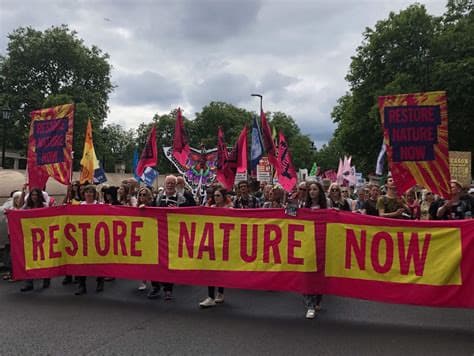
Key Highlights
- New Plan:England's nature-recovery plan aims to restore ecosystems by 2030.
- Criticism:Environmental charities deem the plan 'completely insufficient'.
- Urgent Action:Campaigners call for immediate improvements in habitat management.
A new nature-recovery plan for England, aimed at restoring ecosystems and wildlife by 2030, has faced significant backlash from environmental charities and conservation groups, who label it as 'completely insufficient'. The criticism highlights a troubling gap between the ambitious targets set by the government and the actual delivery of necessary actions to improve the condition of protected habitats.
Campaigners argue that while the government is making strides in setting targets, the practical steps required to enhance the health of vital ecosystems—such as rivers, wetlands, grasslands, woodlands, and coastal areas—are lagging. They emphasize that simply designating areas as protected is not enough; active restoration efforts must be undertaken, pressures on these habitats must be alleviated, and progress should be measured against clear, achievable outcomes.
Moreover, charities have pointed out the delays and uncertainties surrounding the policy landscape for land management and farming. They contend that immediate ramping up of nature-friendly support is essential for habitat restoration to occur at the necessary pace to meet the 2030 deadline. Without stronger regulations to curb harmful activities in and around wildlife sites, they warn that damage will persist, even in areas designated for protection.
Supporters of the plan argue that nature recovery is inherently complex and requires a multi-year commitment. However, critics counter that time is running out. They assert that if England is to fulfill its environmental commitments, the government must expedite the implementation of effective protections, enhance the quality and monitoring of existing protected areas, and ensure sustained funding for restoration efforts rather than relying on short-term initiatives.
As the 2030 deadline looms, campaigners are advocating for a transformative shift in the delivery of the plan. They are calling for more areas to be placed under effective protection, improved management of existing sites, stronger enforcement against wildlife harm, and robust monitoring systems to track improvements and address failures promptly. The urgency of these calls reflects a growing concern that without immediate and decisive action, England may fall short of its environmental goals, jeopardizing the future of its natural habitats and biodiversity.
Published by Banx Network. This article is part of the Banx decentralized media programme, powered by the BXE token on the XRP Ledger.



