
Key Highlights
- Poland has signed an agreement to connect with NATO’s Central European Pipeline System (CEPS).
- The CEPS provides vital fuel supplies to allied military forces across Europe.
- This move enhances Poland's strategic role in NATO's defense network.
Poland's recent announcement to connect with NATO’s Central European Pipeline System (CEPS) marks a significant step in enhancing energy security and military logistics in Eastern Europe. The CEPS is a crucial network that supplies fuel to allied military forces, ensuring that NATO operations across the continent have reliable access to energy resources. This agreement not only strengthens logistical support but also symbolizes a deeper commitment to collective security among NATO member states.
The CEPS spans thousands of kilometers across Western Europe, providing essential supplies such as aviation fuel to various allied bases. By integrating Poland into this extensive infrastructure, NATO is expanding its operational reach further eastward. This strategic move reflects the increasing importance of Poland as a hub for NATO activities, particularly in light of the evolving geopolitical landscape in Europe.
Details of the agreement are still emerging, but it is expected to encompass technical integration, security guarantees, and shared management protocols. While financial specifics have not been disclosed, analysts suggest that this partnership underscores Poland's pivotal role in NATO's defense network. The integration into the CEPS is seen as a vital upgrade for Poland, enhancing its capabilities to support NATO missions effectively.
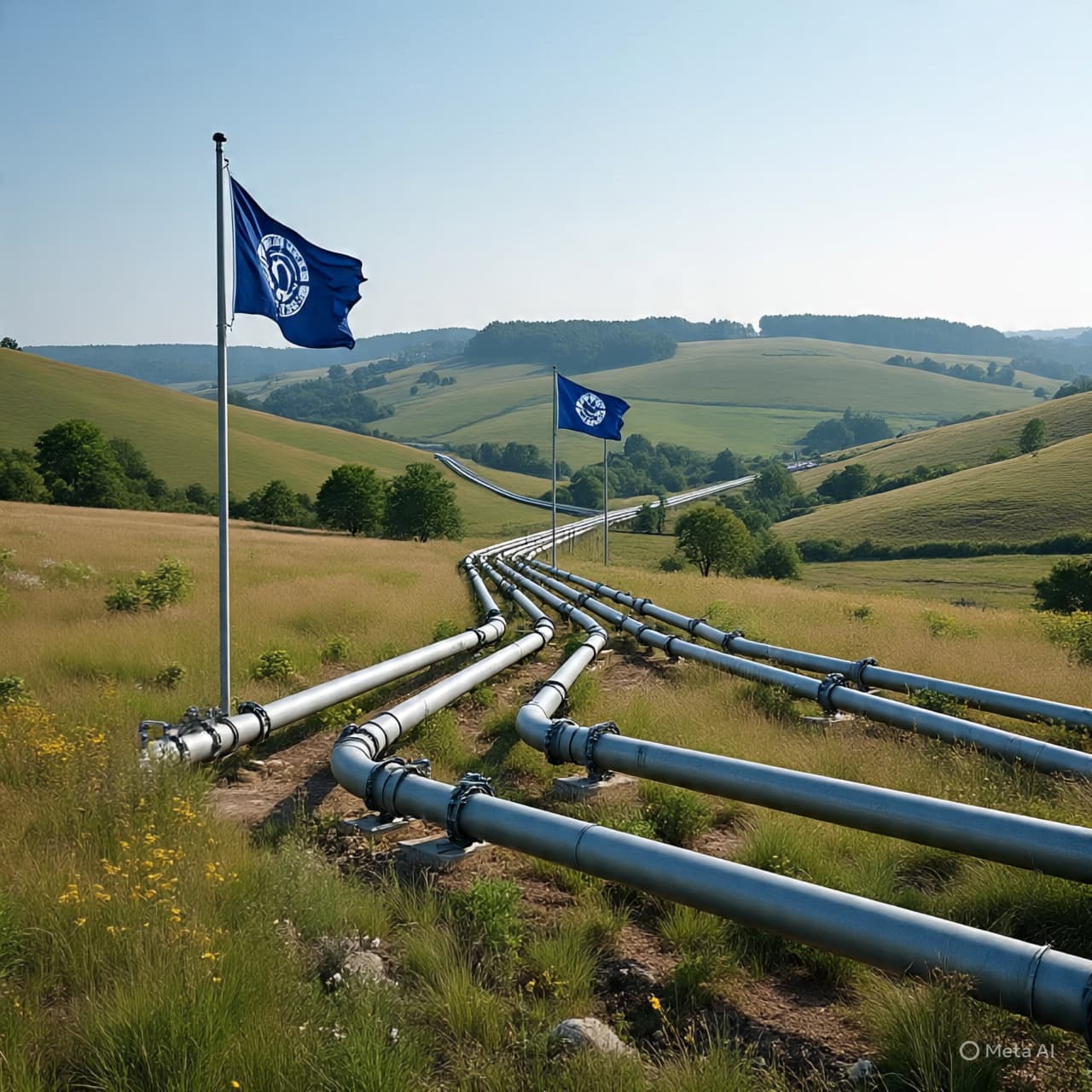
For Poland, this agreement transcends mere technical enhancements; it represents a symbolic alignment with NATO's objectives. In an era marked by uncertainty and shifting alliances, the connection between energy security and military readiness is becoming increasingly evident. The pipelines that transport fuel are not just physical structures; they are lifelines that bind nations together in a shared commitment to security and stability.
As Europe navigates the complexities of energy dependence and geopolitical tensions, Poland's proactive approach in securing its energy infrastructure through NATO collaboration is a noteworthy development. This agreement could serve as a model for other nations seeking to bolster their energy security while reinforcing military alliances. The implications of this partnership extend beyond Poland, potentially influencing NATO's strategic posture in the region and enhancing collective defense capabilities.
In conclusion, Poland's connection to the CEPS is a significant milestone in the ongoing efforts to ensure energy security and military readiness in Eastern Europe. As NATO continues to adapt to new challenges, the role of pipelines as conduits of trust and cooperation will remain vital in shaping the future of European security.
Published by Banx Network. This article is part of the Banx decentralized media programme, powered by the BXE token on the XRP Ledger.



