
Key Highlights
- Discarded furniture piles are increasing in Leidschendam-Voorburg.
- Residents face new fees for bulk waste collection, causing frustration.
- The situation reflects broader community sentiments and civic responsibility.
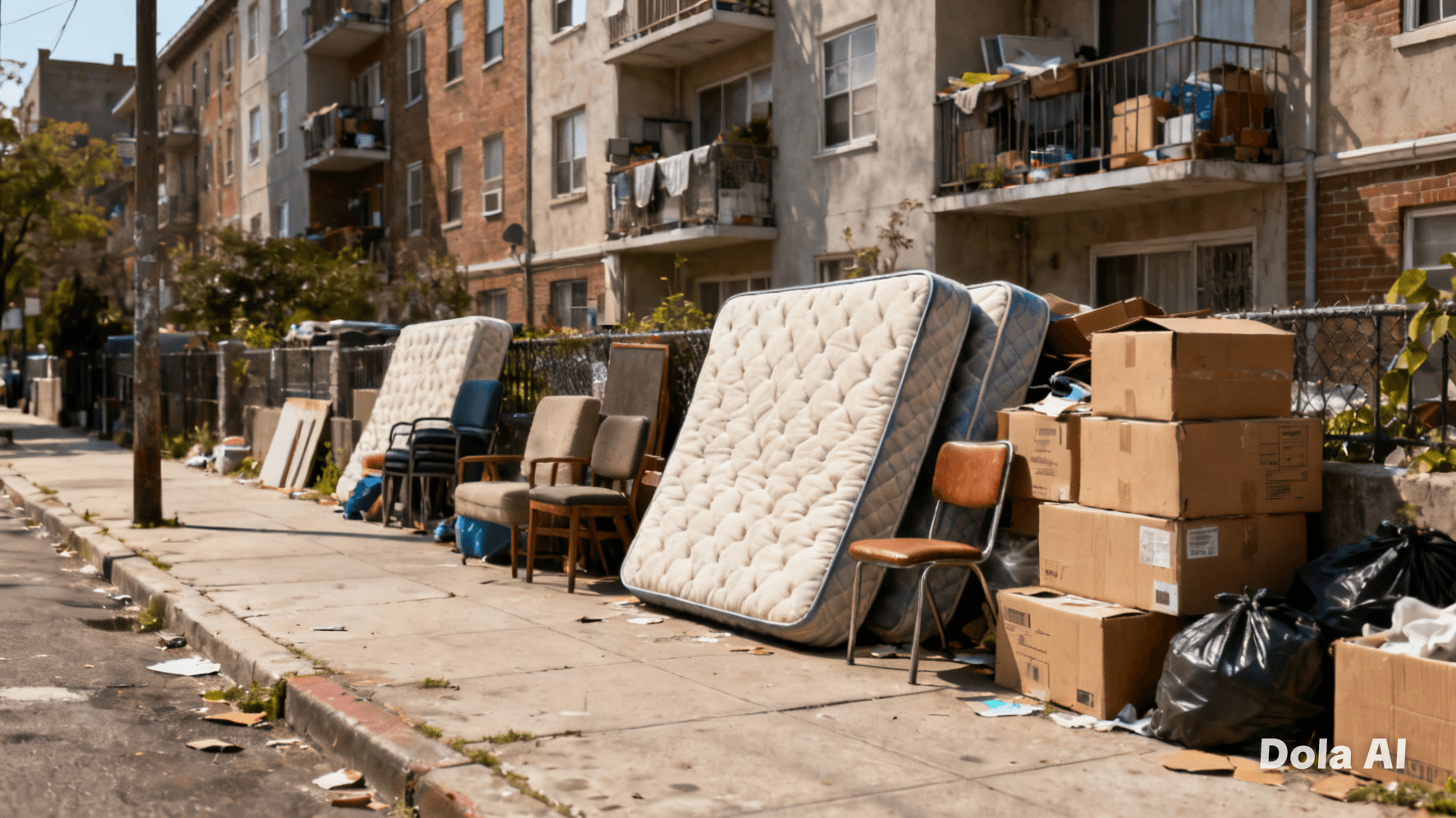
In the tranquil streets of Leidschendam-Voorburg, a growing issue has emerged as discarded furniture, mattresses, and household items accumulate on sidewalks. These bulky piles, once a routine part of urban life, now symbolize a deeper unease within the community. As residents navigate their daily routines, they are confronted with the sight of unwanted items lining the streets, prompting discussions about civic responsibility and community values.
Since the beginning of the year, the municipality has implemented a modest fee for the collection of bulk waste, aimed at encouraging residents to transport their items to local recycling centers. However, this initiative has sparked frustration among many. In neighborhoods like Prinses Annalaan and Prinsenhof, where apartment buildings are densely packed, discarded sofas and cardboard boxes have become common sights beside underground waste containers. Residents express their discontent, describing the situation as an eyesore that detracts from the community's aesthetic and invites further neglect of shared spaces.
For some residents, the new fee is a minor inconvenience, while for others, it adds to the financial strain of rising municipal costs. Parents pushing strollers and dog walkers now find themselves maneuvering around these piles, which have become a topic of conversation in local homes. The community is divided on whether these discarded items are a reflection of economic hardship or a sign of declining civic responsibility. What was once a simple pathway between homes has transformed into a stage for an ongoing civic dialogue about the values and challenges facing the neighborhood.
As the municipality collects data and assesses long-term trends, residents are left to grapple with the implications of this policy. The visual and practical consequences of the new waste collection fees are evident, as streets once characterized by their cleanliness now bear witness to a growing collection of refuse. This situation serves as a reminder that what may seem like ordinary waste can embody the shared values, challenges, and aspirations of a community.
In the interplay between governance and daily life, the discarded furniture piles in Leidschendam-Voorburg are more than just remnants of past lives; they are a reflection of the community's current state and a call for collective action and responsibility. As residents continue to navigate these changes, the hope remains that the streets will once again become a source of pride rather than a point of contention.
Published by Banx Network. This article is part of the Banx decentralized media programme, powered by the BXE token on the XRP Ledger.



